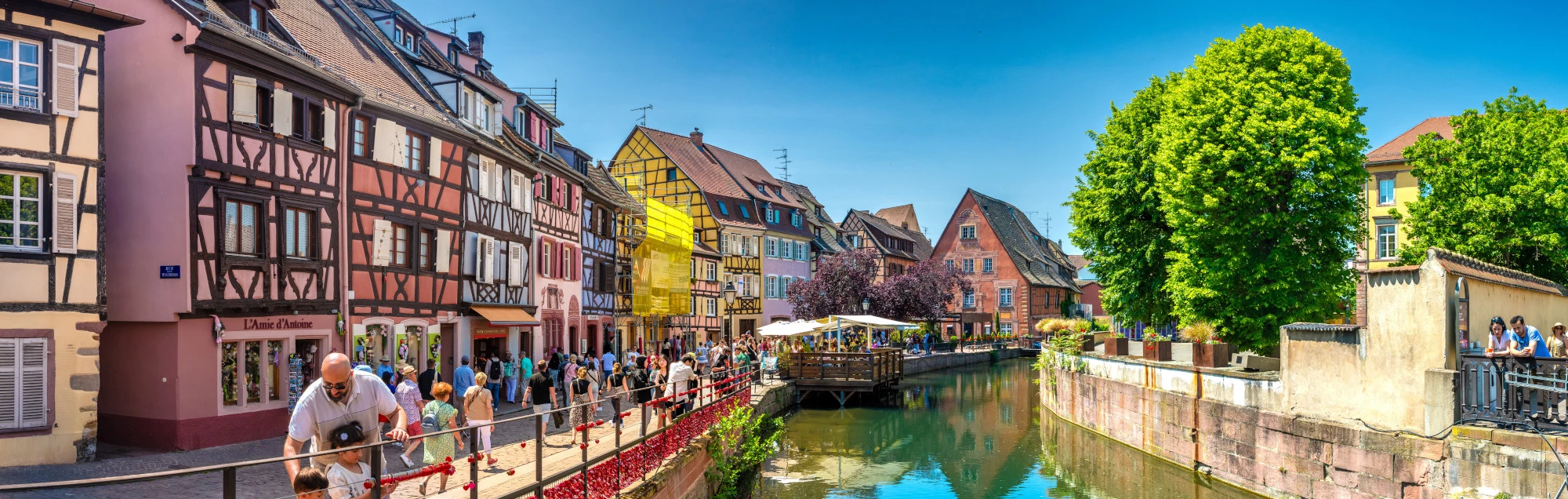


The cobbled streets evoke a romantic charm, while the majestic Eiffel Tower stands tall as an iconic symbol. Lively cafes and local markets beckon for a delightful taste of French cuisine. Renowned museums like the Louvre house priceless artistic treasures, and cathedrals such as Notre-Dame reveal breathtaking architecture.
The Seine's riverbanks offer picturesque views, and meticulously manicured gardens like the Tuileries provide moments of tranquility.
As night falls, the city lights create a magical atmosphere, perfect for romantic strolls along illuminated alleyways. Every corner of Paris seems to unveil a new facet of this captivating metropolis, where the blend of tradition and modernity crafts an unforgettable travel experience.

Eiffel Tower
Rising more than 300 metres, the Eiffel Tower can be climbed by stairs or elevator, and each route gives a different angle on the metal structure. The first level holds exhibitions and shops about how the tower was built. From the second level the view opens onto the Louvre and Notre-Dame, while the summit reveals the Seine and the rooftops of Paris stretching out below. By day, or by night when the lights come on, you can see far across the city.
1. Buy your tickets in advance: Avoid long lines by purchasing your tickets online. This also allows you to choose the time slot that suits you best.
2. Choose the right time of day: The Eiffel Tower offers spectacular views at any time, but a visit at sunset can be particularly magical. The city lights begin to come on, and the tower itself lights up.
3. Explore the different levels: Take the time to visit all three levels of the Eiffel Tower. Each one offers a unique view of Paris, and there are interesting exhibitions to discover on each level.
4. Consider the stairs: If you're in good physical shape, consider taking the stairs. It's a unique experience, and you'll often avoid the longer lines for the elevator.
5. Discover the surroundings: Take advantage of your visit to explore the charming surrounding areas, such as Champ de Mars and Trocadéro. You'll often find magnificent views of the Eiffel Tower from these places.
6. Bring a snack: If you plan to spend some time on the tower, bring a light snack and water. This will allow you to fully enjoy the experience without having to descend for food.
7. Be aware of pickpockets: Like any tourist destination, remain vigilant against pickpockets. Keep your belongings secure and be aware of your surroundings.
8. Capture the moment: Don't forget to bring a camera or use your smartphone to capture unforgettable memories of your visit to the Eiffel Tower.
By following these tips, you'll maximize your experience when visiting the Eiffel Tower and make the most of this iconic site in Paris.
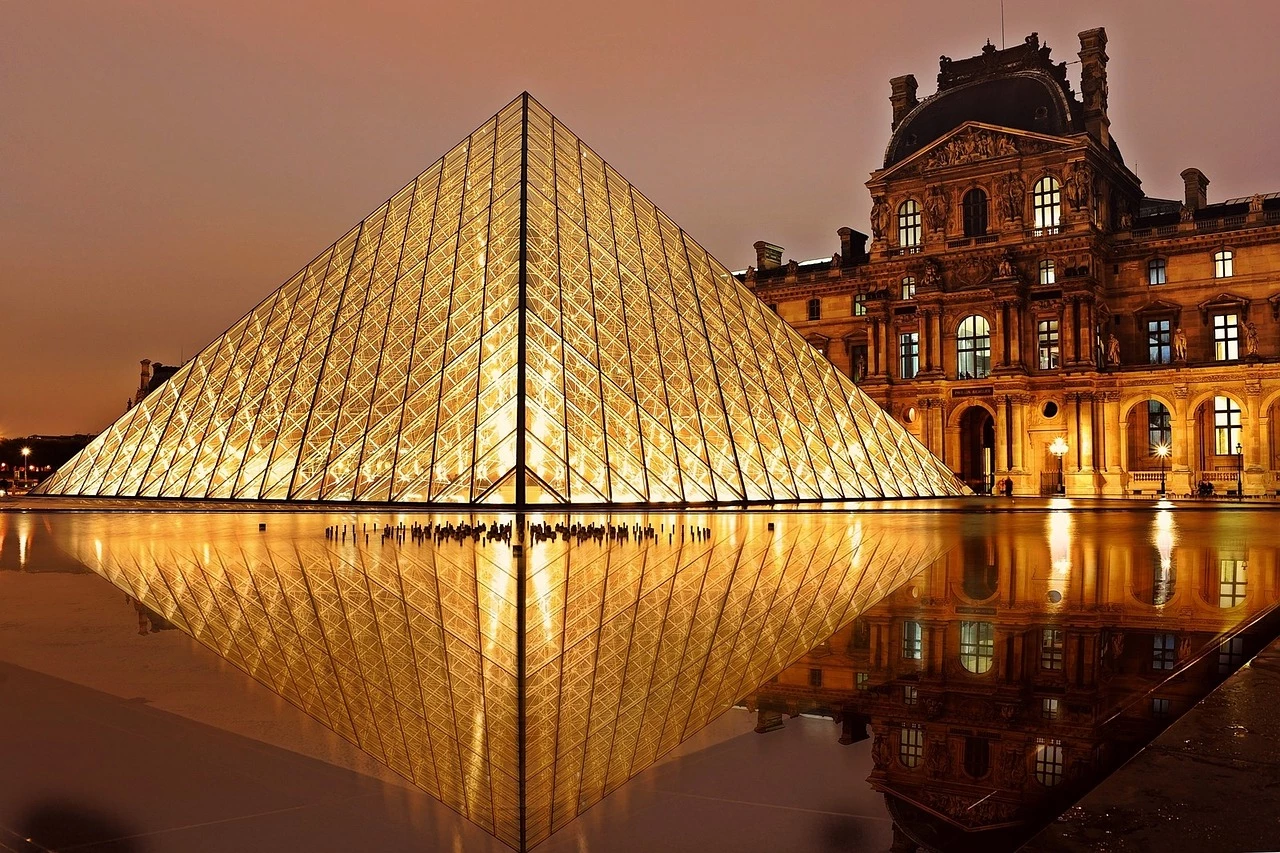
The Louvre
The Mona Lisa and the Winged Victory of Samothrace are among the most-visited works in the Louvre, a former royal palace turned museum. Its architecture blends elements from the Middle Ages to the Renaissance, with each wing covering a different period. Planning your route ahead of time helps you find the quieter rooms and manage your visit. The gardens around the museum make a welcome break between galleries.
1. Plan Your Visit: Due to the Louvre's size, plan in advance which sections you want to explore. This will help you optimize your time and avoid feeling overwhelmed.
2. Buy Tickets Online: Skip the long lines by purchasing your tickets online. This also allows you to choose a time slot that fits your schedule.
3. Pick Off-Peak Hours: If possible, visit the Louvre during off-peak hours to avoid crowds. Mornings on weekdays are generally less crowded.
4. Wear Comfortable Shoes: The Louvre is vast, and you'll be doing a lot of walking. Comfortable shoes are essential.
5. Explore Beyond the Must-Sees: In addition to famous works like the Mona Lisa, take the time to explore other sections of the museum, such as Egyptian antiquities or Greek sculptures.
6. Use an App or Guided Tour: Mobile apps or guided tours can provide contextual information about the artworks, enhancing your experience.
7. Take Breaks: The Louvre can be overwhelming. Take breaks to rest and fully appreciate the artworks without feeling fatigued.
8. Appreciate the Architecture: Besides the art, the Louvre itself is an architectural masterpiece. Take the time to admire the details of this historical monument.
9. Check Out Temporary Exhibitions: The museum regularly hosts temporary exhibitions. Check the schedule to see if there's something that interests you.
10. End with Tuileries Gardens: After your visit, relax in the nearby Tuileries Gardens. It's a peaceful place to reflect on your Louvre experience.
By following these tips, you'll turn your Louvre visit into a rewarding and memorable experience.
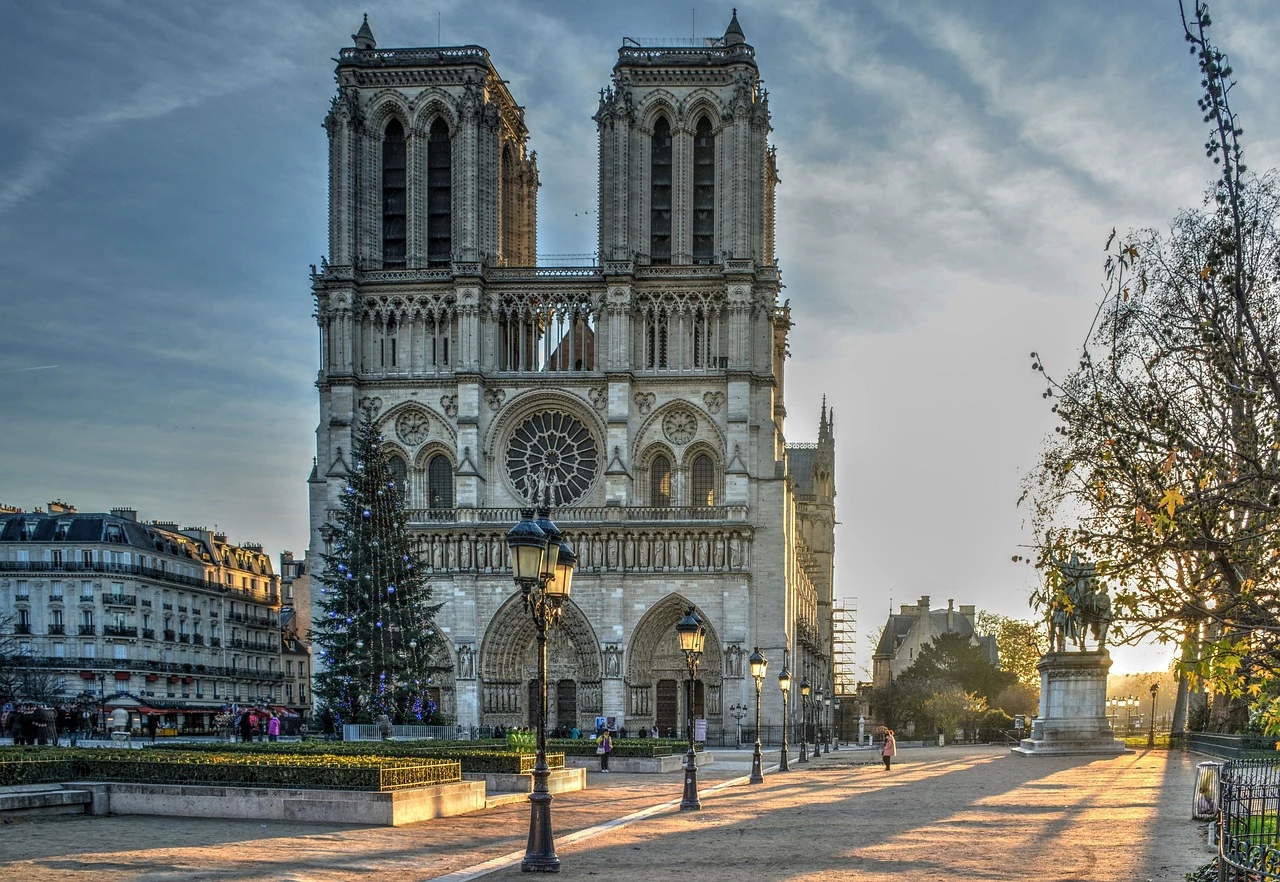
The Notre-Dame cathedral
Begun in the 12th century on the Île de la Cité, Notre-Dame is recognisable by its two towers, its spire and its stained glass. Inside, the high vaulted ceilings give the nave its distinctive atmosphere, and climbing the towers leads to the gargoyles and a view over the Seine and the rooftops. The carved portals reflect the work of medieval craftsmen. Reopened to the public on 8 December 2024 after five years of restoration following the 2019 fire, the cathedral's restored nave is free to enter; booking a timed slot online is strongly recommended to limit the wait.
1. Come Early in the Morning: To avoid crowds, consider visiting the cathedral early in the morning when it is less crowded.
2. Buy Tickets Online: Save time by purchasing your tickets online in advance. This will allow you to bypass potential lines.
3. Explore the Interior with a Guide: Guided tours can provide interesting insights into the history and architecture of the cathedral. You can opt for an on-site guided tour or use a mobile app.
4. Climb the Towers: Ascending Notre-Dame's towers provides an exceptional panoramic view of Paris. Be prepared for narrow staircases.
5. Appreciate Architectural Details: Take the time to admire the sculptural details and stained glass inside the cathedral. Each element has meaning and history.
6. Attend a Mass or Concert: If your visit coincides with a Mass or concert, it can add a unique spiritual and artistic dimension to your experience.
7. Relax on the Square: Enjoy the atmosphere around the cathedral. The square in front of Notre-Dame is often lively with street performers and souvenir vendors.
8. Respect Cathedral Rules: As a place of worship, be sure to observe appropriate behavior inside the cathedral.
9. Book Your Time Slot: The cathedral reopened on 8 December 2024. Entry to the nave is free, but reserving a timed slot on the official website avoids the queue. Tower access is ticketed separately — check availability before your visit.
10. Take Your Time: Don't rush. Take the time to appreciate the beauty and history of Notre-Dame Cathedral at your own pace.
By following these tips, you can have a memorable experience visiting Notre-Dame Cathedral.
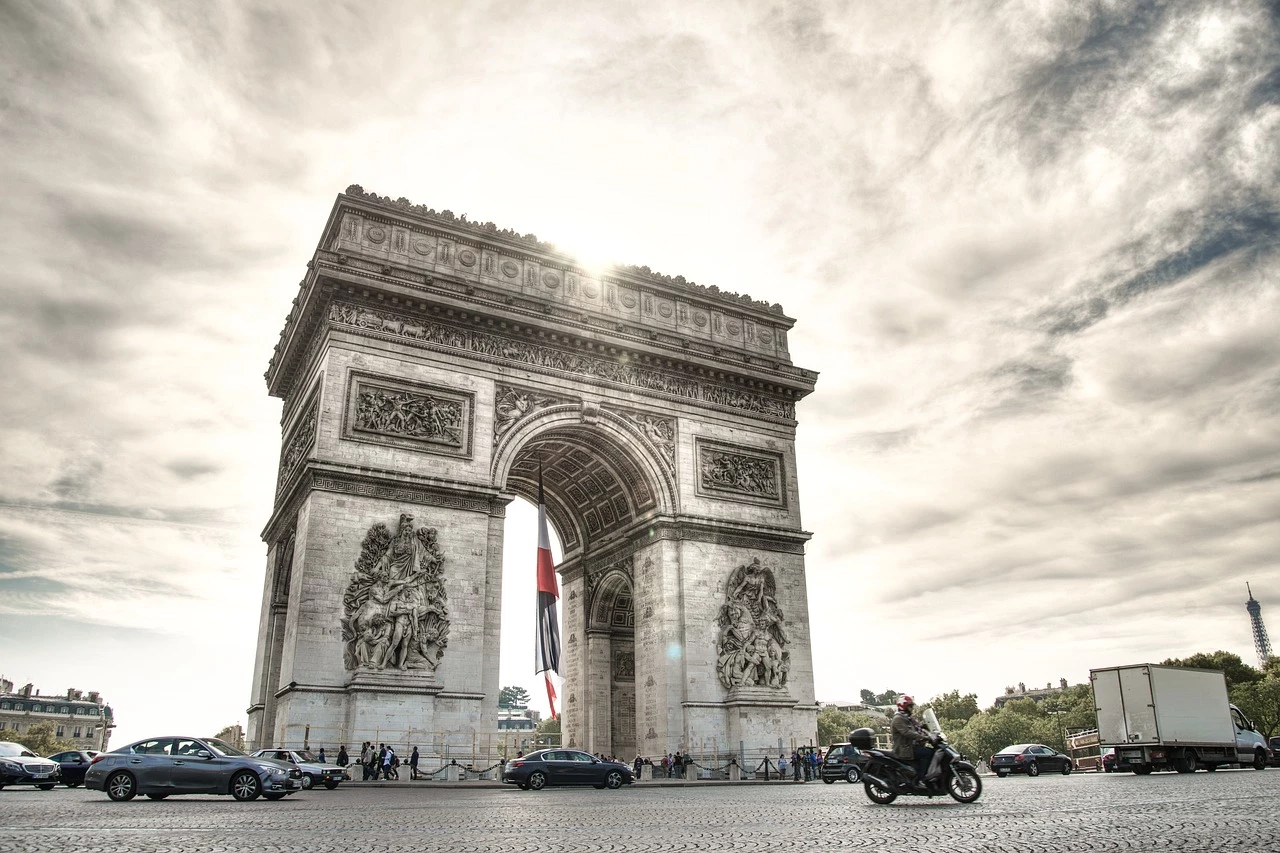
The Arc de Triomphe and the Champs-Élysées
Built to honour Napoleon's victories, the Arc de Triomphe stands at the top of the Champs-Élysées. Climbing its steps brings you to a terrace overlooking the avenue and the surrounding monuments. The Champs-Élysées runs down from the arch, lined with shops, cafés and terraces, and the avenue takes on a different feel in the evening when the lights come on. Together, the arch and the avenue tell both France's military history and the lively daily life of the capital.
1. Avoid peak hours: For a more enjoyable experience, try to visit the Arc de Triomphe and the Champs-Élysées during off-peak hours.
2. Buy your tickets online: Save time by purchasing your tickets online for the Arc de Triomphe. This will also help you skip the lines.
3. Plan your visit to the Arc de Triomphe: If you plan to go up the Arc de Triomphe, consider doing so early in the morning to avoid crowds.
4. Stroll along the Champs-Élysées: Take the time to walk along this iconic avenue. Explore the shops, cafes, and soak in the Parisian atmosphere.
5. Discover the boutiques: The Champs-Élysées is famous for its luxury boutiques. Even if you don't plan on shopping, window shopping can be an entertaining experience.
6. Be aware of traffic: When crossing the avenue, be mindful of traffic. The Champs-Élysées is a major thoroughfare, and it's important to obey traffic signals.
7. Enjoy the view from the Arc de Triomphe: If you go up the Arc de Triomphe, take the time to admire the panoramic view of Paris. It's especially impressive at dusk.
8. Explore the surroundings: The Champs-Élysées leads to several other iconic sites, such as Place de la Concorde and the Tuileries Garden. Take the opportunity to explore these surroundings.
9. Opt for a café on the Champs-Élysées: Take a relaxing break in one of the cafes along the avenue and observe the passing world.
10. Capture the moment: Don't forget to bring your camera to capture these unforgettable moments along the avenue and near the Arc de Triomphe.
By following these tips, you'll turn your visit to the Arc de Triomphe and the Champs-Élysées into an unforgettable Parisian experience.
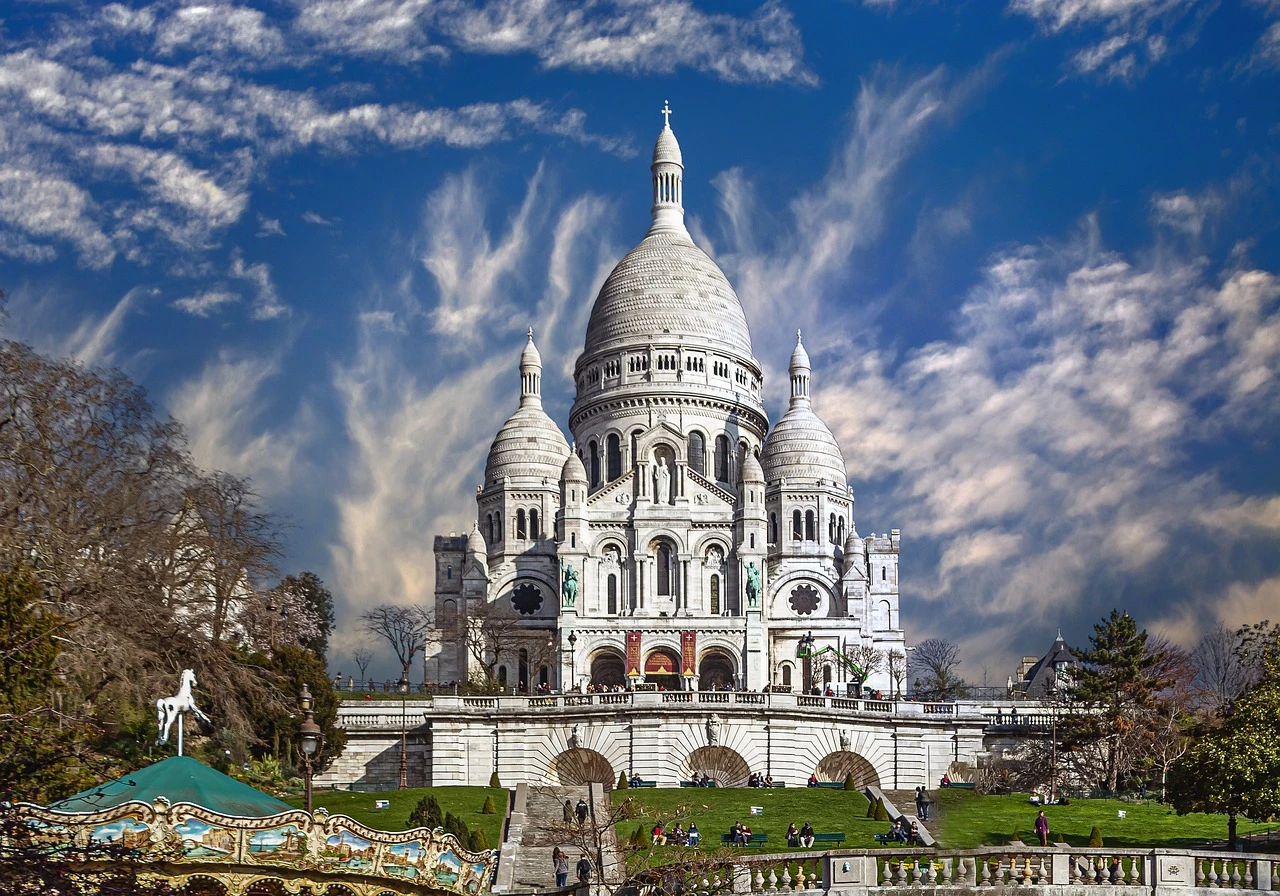
Montmartre and the Sacré-Cœur
At the top of the highest hill in Paris, the bright-white Basilica of the Sacré-Cœur looks out over the city and offers a wide panorama from its forecourt. Below, Montmartre's cobbled streets are lined with cafés and artists' studios, and the Place du Tertre gathers painters working in the open air. Picasso and Toulouse-Lautrec worked here, and the neighbourhood's artistic history is still visible street by street. At the end of the day, the sunset from the hill is worth the trip.
1. Start Early in the Morning: To avoid crowds, consider beginning your visit early in the morning. This allows you to enjoy the peaceful charm of Montmartre before the influx of visitors.
2. Climb on Foot: Take the stairs to ascend to the top of Montmartre hill instead of using the funicular. This way, you can appreciate the neighborhood in a more immersive way.
3. Explore the Alleyways: Get lost in the charming alleyways of Montmartre. This is where you'll discover quaint cafes, art galleries, and the bohemian atmosphere that inspired many artists.
4. Visit the Sacré-Cœur: Climb up to the Basilica of the Sacré-Cœur for breathtaking panoramic views of Paris. Make sure to also admire the beautiful interior of the basilica.
5. Avoid Peak Hours: If you plan to visit the Sacré-Cœur, try to avoid peak hours for a more peaceful experience.
6. Relax at Place du Tertre: Explore Place du Tertre, where artists display their work outdoors. It's an ideal spot for a leisurely break and to discover local art.
7. Enjoy Local Cafés: Stop by one of the local cafes to savor a coffee and soak in the unique atmosphere of Montmartre.
8. Capture the Sunset: Stay until sunset for an exceptional view of Paris from the parvis of the Sacré-Cœur. It's a magical moment.
9. Explore Local Markets: If you're visiting Montmartre in the morning, discover the local markets that add a lively touch to the neighborhood's life.
10. Stay or Return in the Evening: Montmartre takes on a different ambiance in the evening. Enjoy the illuminated alleyways and the lit Sacré-Cœur for a romantic experience.
By following these tips, your visit to Montmartre and the Sacré-Cœur will be an authentic immersion into Parisian history, art, and culture.
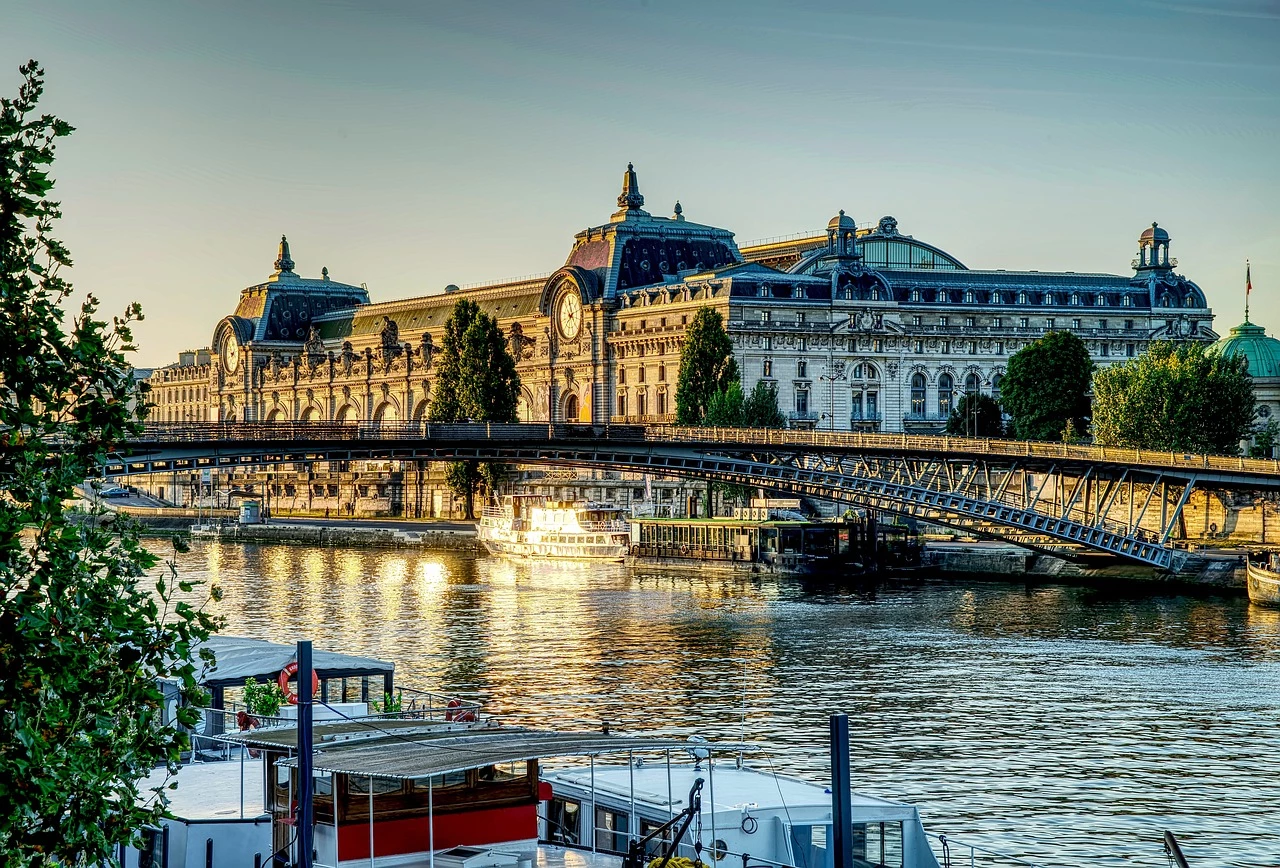
The Orsay museum
Set in a former railway station, the Musée d'Orsay has kept its large clocks and glass roof, which now light the galleries. Its collection brings together Impressionist and Post-Impressionist works by Monet, Van Gogh and Degas, along with sculptures and decorative arts from the 19th century. The layout leaves room to look closely and to pause along the way. The visit gives a clear sense of how art changed across the period.
1. Buy Tickets in Advance: Skip the lines by purchasing your tickets online in advance. This will save you time at the entrance.
2. Choose the Right Time: Try to visit the museum during off-peak hours to avoid crowds. Mornings early in the week tend to be quieter than weekend afternoons.
3. Plan Your Route: The Musée d'Orsay is vast, so plan in advance which sections you want to prioritize. Check the museum map to optimize your route.
4. Use Mobile Apps: Some apps provide valuable information about the artworks and exhibits in the museum. They can enhance your experience by offering details about artists and displayed pieces.
5. Take a Guided Tour: If you want to deepen your knowledge, consider joining a guided tour. It can provide interesting insights into the artworks and the museum's history.
6. Take Time to Sit: With so much to see, there's a temptation to rush through everything. However, take breaks to sit and absorb the atmosphere. The museum has comfortable spaces to rest.
7. Avoid Peak Hours: If possible, steer clear of visiting during school holidays or peak times to enjoy a more peaceful experience.
8. Be Aware of Temporary Closures: Some sections of the museum may be closed for renovations or temporary exhibits. Check the museum's website for updates before your visit.
9. Use the Cloakroom: If you have bulky bags, use the cloakroom to store them. This will make your visit more comfortable, especially if you plan to spend a lot of time in the museum.
10. Enjoy the View from the Café: Conclude your visit by enjoying the museum café, which often offers a splendid view of Paris. It's an excellent way to wrap up your experience at the Musée d'Orsay.
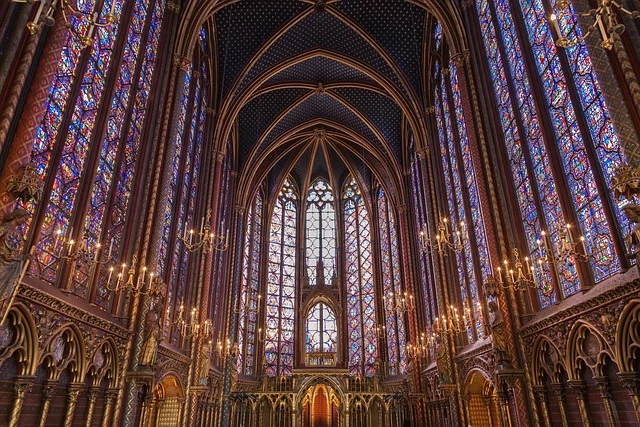
The Sainte-Chapelle
Built in the 13th century on the Île de la Cité, the Sainte-Chapelle is best known for its stained glass, which covers the walls of the upper chapel and depicts biblical stories. A spiral staircase leads up to this room, where light filters through the coloured glass. Originally built to house the Crown of Thorns, it now hosts classical music concerts. Its architecture, slender arches and detailed carvings reflect medieval craftsmanship, and the Seine runs right alongside.
1. Buy Tickets in Advance: La Sainte-Chapelle can attract many visitors, especially during peak tourist seasons. Skip the lines by purchasing your tickets online in advance.
2. Opt for Off-Peak Hours: Visit early in the morning or late in the afternoon to avoid crowds. This allows you to better appreciate the beauty and tranquility of the place.
3. Explore the Surroundings: Take advantage of your visit to Île de la Cité to explore the surroundings, including Notre-Dame Cathedral and the charming streets of this historic neighborhood.
4. Attend a Concert: If possible, plan your visit during a concert, which is sometimes held in the chapel. This adds a musical and artistic dimension to your experience.
5. Admire the Stained Glass at Sunset: The stained glass of La Sainte-Chapelle is particularly dazzling at sunset. Plan your visit to enjoy the soft and captivating light at that time of day.
6. Learn About the History: Familiarize yourself with the history of La Sainte-Chapelle before your visit. This will enhance your understanding of the architectural details and the meanings behind the stained glass.
7. Spending Time in the Lower Chapel: While less known than the upper chapel, the lower chapel also houses artistic treasures. Take the time to explore it.
8. Use an Audio Guide: Some places provide audio guides that offer detailed information on the history and architecture. This can make your visit more informative.
9. Respect the Serenity of the Place: La Sainte-Chapelle is a place of worship. Be respectful by lowering your voice and avoiding the use of mobile phones.
10. Capture the Moment: Don't forget to bring your camera. The colorful stained glass, Gothic architecture, and unique atmosphere are worth capturing.
By following these tips, you'll have a more immersive and enriching experience during your visit to La Sainte-Chapelle.
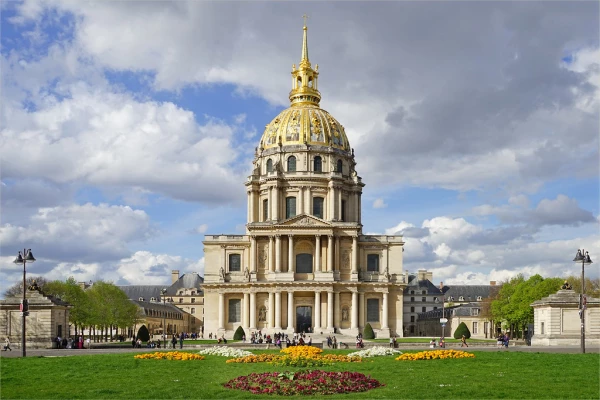
The Hôtel des Invalides
Built in the 17th century under Louis XIV, the Hôtel des Invalides is recognisable by its golden dome, beneath which lies the tomb of Napoleon Bonaparte. The vast courtyard, lined with cannons and statues, leads to the Musée de l'Armée, which displays armour, weapons and military objects tracing the evolution of French conflicts across the centuries. Well-kept gardens surround the complex and provide a quiet space. The site appeals to those interested in military history as much as in classical architecture.
1. Plan Your Visit: L'Hôtel des Invalides is extensive, housing multiple museums, including the Musée de l'Armée. Plan your itinerary based on your interests to ensure you don't miss the highlights.
2. Avoid Peak Hours: For a more tranquil experience, consider visiting early in the morning or late in the evening to avoid crowds.
3. Explore the Musée de l'Armée: The museum offers a rich collection of military artifacts, armor, and weapons. Take time to explore different sections for a comprehensive understanding of French military history.
4. Visit Napoleon's Tomb: Napoleon Bonaparte's tomb is located beneath the golden dome. Admire the majestic architecture of the dome and take a moment for reflection in this historically significant location.
5. Join a Guided Tour: A guided tour can provide additional insights and interesting anecdotes about the history of L'Hôtel des Invalides.
6. Relax in the Gardens: The gardens surrounding L'Hôtel des Invalides provide a peaceful retreat. Take a break in this green space and appreciate the architecture from the outside.
7. Check Opening Hours: Ensure you check the opening hours before your visit, as they may vary based on seasons and temporary exhibitions.
8. Buy Tickets in Advance: Avoid queues by purchasing your tickets in advance, especially if you plan to visit special exhibitions or Napoleon's tomb.
9. Look for Special Events: Check the calendar for any special events or temporary exhibitions that may enhance your visit.
10. Respect the Serenity of the Place: L'Hôtel des Invalides is a place of solemnity. Respect the quiet ambiance of the museum and Napoleon's tomb by avoiding loud noises and being considerate of other visitors.
By following these tips, you'll enhance your experience while exploring L'Hôtel des Invalides, delving into the military and architectural history of France.
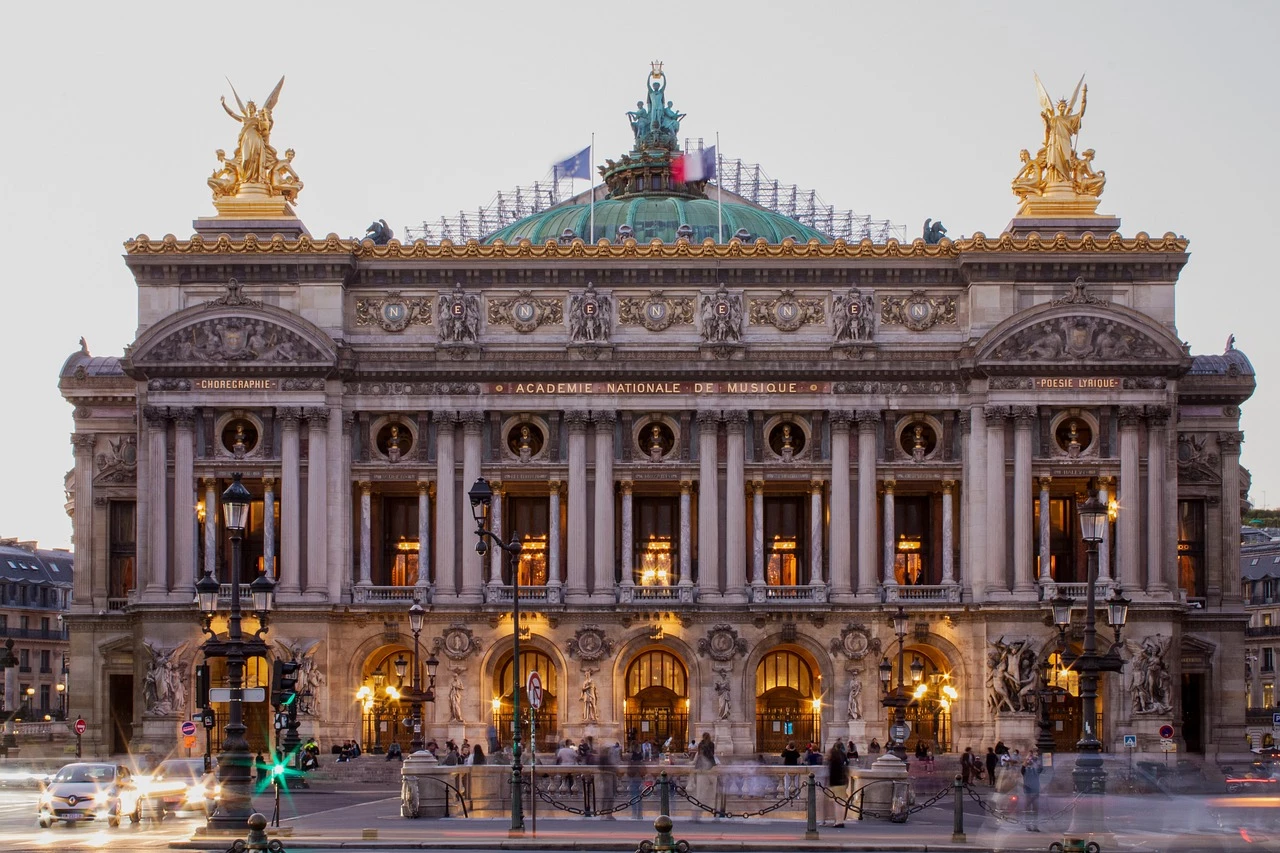
The Garnier Opera
Built in the 19th century, the Opéra Garnier is recognisable by its neo-baroque façade covered in sculptures and columns. Inside, the grand staircase, gilding, velvet and chandeliers recall the period's lavish style, and Greco-Roman statues line the steps. The painted ceilings, wrought-iron balconies and auditorium can be seen on a self-guided or guided backstage tour. Depending on the season you can also attend a performance, and the terrace gives a view over the surrounding district.
1. Purchase Tickets Online: Avoid the queues by buying your tickets in advance on the official Opéra Garnier website. This may also grant you access to discounted rates in some cases.
2. Opt for a Guided Tour: A guided tour can provide in-depth information about the history, architecture, and performances of the Opéra. It's an excellent way to enhance your overall experience.
3. Explore Temporary Exhibitions: Check if there are any temporary exhibitions or special events happening during your visit. This can add an extra dimension to your experience.
4. Check the Show Schedule: If your visit coincides with a performance, consider attending a show. Opéra Garnier is renowned for its outstanding performances.
5. Visit During Daylight Hours: Daylight enhances the interior architectural beauty of the Opéra. If possible, plan your visit during daylight hours to fully appreciate the details.
6. Go Behind the Scenes: Some tour options allow you to explore the backstage areas of the Opéra. This is a unique opportunity to see behind the scenes and learn more about productions.
7. Wear Comfortable Shoes: The Opéra Garnier is vast, and you'll likely be walking quite a bit. Opt for comfortable shoes to make your visit more enjoyable.
8. Respect the Dress Code: While the dress code is not as strict as before, it's still advisable to dress decently, especially if you're attending a performance.
9. Use Audioguides: Some places offer audioguides that provide additional information during your visit. This can enrich your experience by offering contextual details.
10. Take Time to Admire the Terrace: The Opéra Garnier terrace offers a stunning view of the city. Take a moment to relax and appreciate the exceptional panorama of Paris from this iconic location.
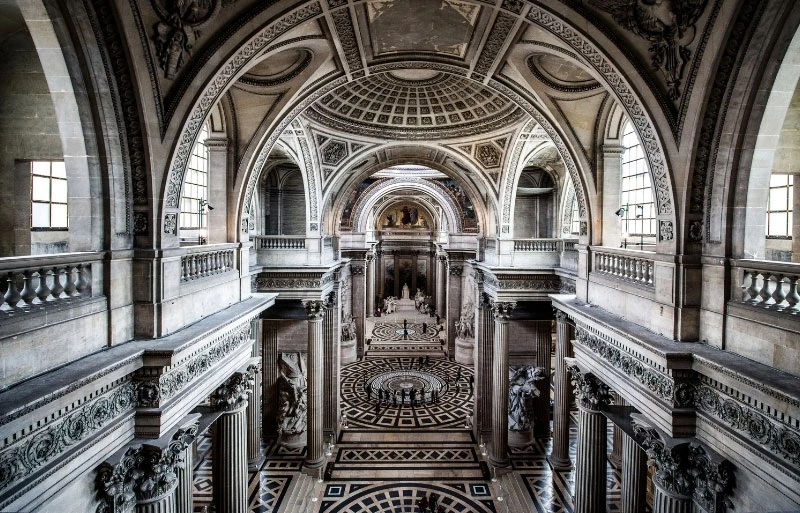
The Panthéon
First built as a church dedicated to Sainte-Geneviève, the Panthéon became a secular monument honouring major French figures. Its columned façade and dome dominate the Latin Quarter, and the interior, with its frescoes and sculptures, depicts historical scenes. The crypt holds the tombs of Voltaire, Rousseau, Victor Hugo and Marie Curie, among others. At certain times, access to the dome offers a panoramic view over Paris.
1. Buy Tickets Online: Skip the lines by purchasing your tickets online in advance. This will save you time at the entrance.
2. Choose Off-Peak Hours: Visit the Panthéon early in the morning or late in the afternoon to avoid crowds. This allows for a more peaceful experience.
3. Explore the Crypt: Don't miss the crypt, where many eminent French personalities are laid to rest. It provides a significant insight into the history of the place.
4. Appreciate the View from the Dome: Climb to the dome for an exceptional panoramic view of Paris. It's a unique opportunity to capture memorable photos.
5. Join a Guided Tour: Guided tours can offer in-depth information about the history and architecture of the Panthéon. It's an excellent option for a deeper understanding.
6. Enjoy Temporary Exhibitions: Check if there are any temporary exhibitions during your visit. They can add an extra dimension to your experience.
7. Respect the Sacred Character: The Panthéon has both religious and secular history. Respect the sacred character of the place by lowering your voice and being mindful of other visitors.
8. Explore the Surroundings: Take advantage of your visit to explore the Latin Quarter, one of the most iconic neighborhoods in Paris, with its cafes, bookshops, and picturesque streets.
9. Check Opening Hours: Make sure to check the opening hours, as they may vary depending on the season and holidays.
10. Allocate Time for Contemplation: The Panthéon is rich in history and symbolism. Take the time to sit, contemplate, and appreciate the unique atmosphere of this iconic monument.
By following these tips, your visit to the Panthéon will be smoother and more enriching, allowing you to fully appreciate this monument with profound significance.
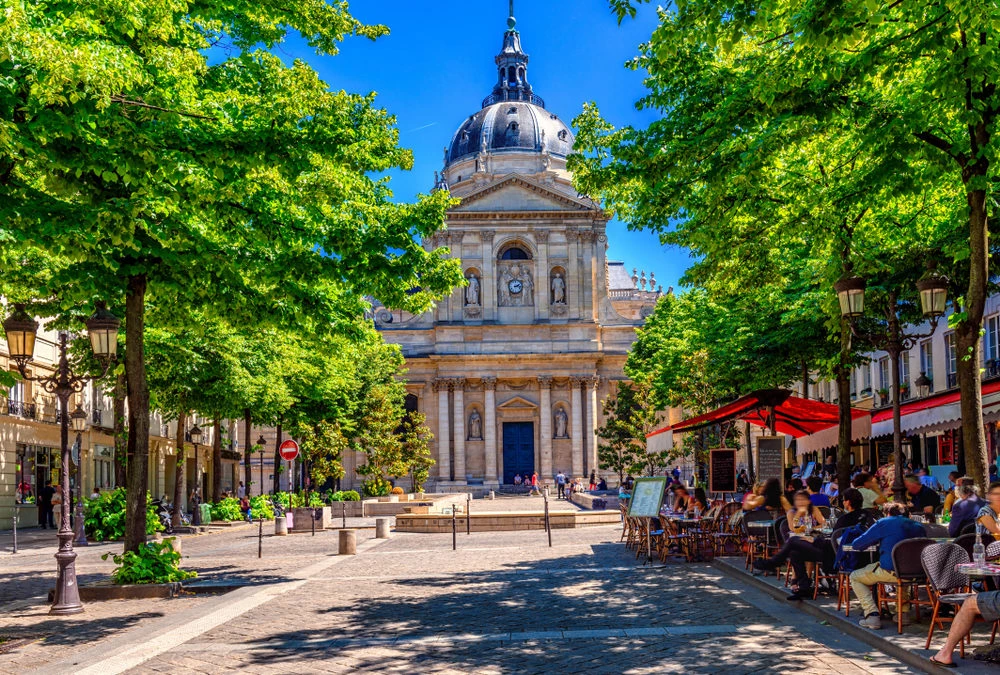
The Latin quarter
The intellectual centre of Paris for centuries, the Latin Quarter is home to the Sorbonne, where students and scholars cross paths in the cafés. Its cobbled streets are lined with old bookshops, cafés and small boutiques. The Place de la Sorbonne and the Panthéon anchor the district in the history of French ideas. Nearby, the Luxembourg Gardens offer a quiet space away from the bustle, a good spot to pause between walks.
1. Explore on Foot: The Latin Quarter is a maze of picturesque streets and charming squares. The best way to discover its charm is by walking, taking the time to explore each corner.
2. Visit the Sorbonne: The Sorbonne is an emblem of the Latin Quarter. While access to certain parts may be limited, the exterior and surroundings are worth a visit. Check for available guided tours.
3. Discover Shakespeare and Company Bookstore: This iconic bookstore is a must-visit for literature enthusiasts. Explore its shelves and soak in the unique atmosphere.
4. Take a Coffee Break on Boulevard Saint-Michel: Cafés along Boulevard Saint-Michel provide the perfect opportunity to observe local life and relax while enjoying a cup of coffee.
5. Visit the Panthéon: This majestic monument houses the tombs of eminent figures from French history. The interior is as impressive as the exterior.
6. Enjoy Local Markets: Street markets in the Latin Quarter offer fresh produce and a lively atmosphere. Rue Mouffetard market is particularly popular.
7. Relax in Luxembourg Gardens: These gardens offer a peaceful escape in the heart of Paris. Explore the pathways, admire the fountains, and perhaps rent a chair to relax.
8. Attend a Show at Théâtre de l'Odéon: If your schedule allows, consider attending a theatrical performance at Théâtre de l'Odéon, a cultural institution in the area.
9. Taste Culinary Delights: Restaurants and bakeries in the Latin Quarter offer a variety of culinary delights. Don't miss the chance to taste local specialties.
10. Get Lost Intentionally: Much of the charm of the Latin Quarter lies in its narrow streets and hidden corners. Feel free to venture off the beaten path and get intentionally lost to discover hidden treasures.
By following these tips, you'll explore Paris's Latin Quarter authentically, immersing yourself in its unique atmosphere and rich cultural heritage.
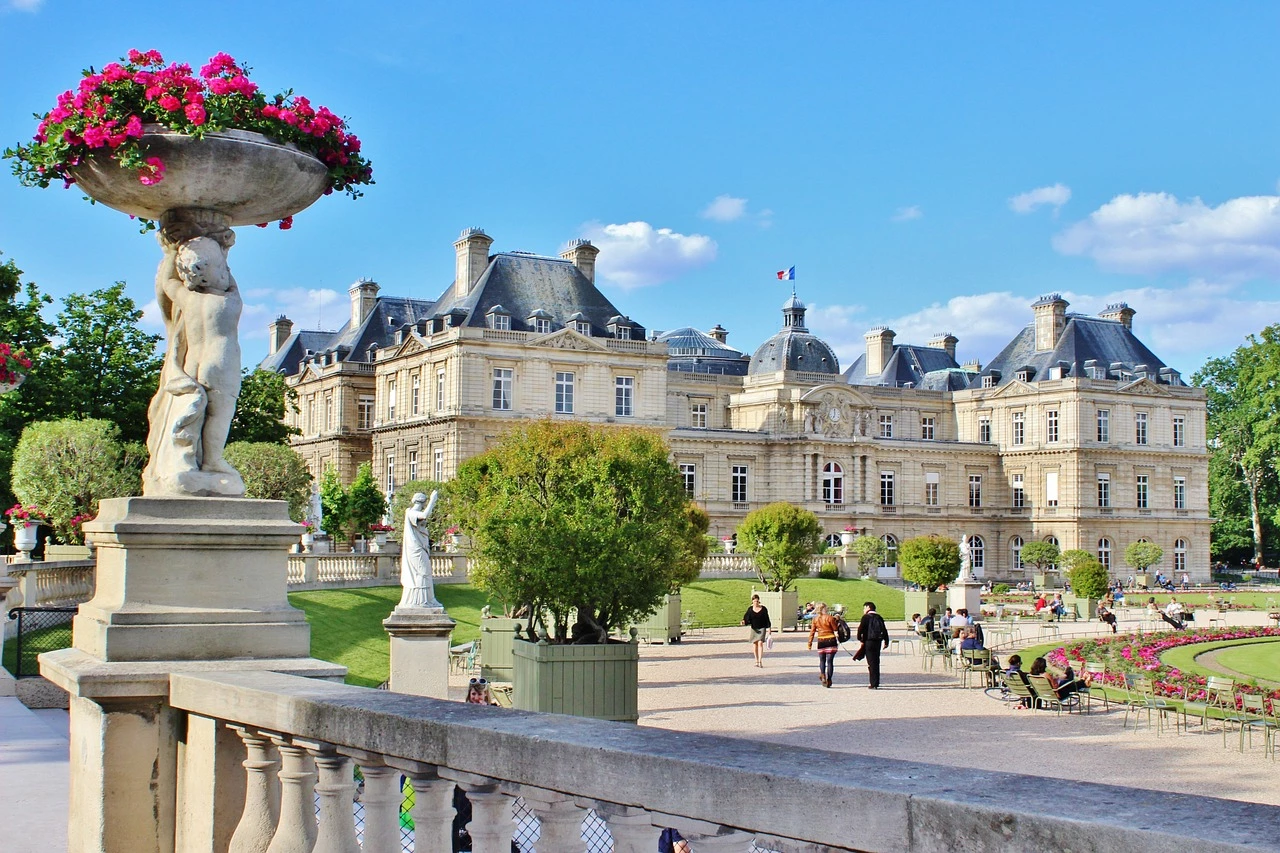
The Luxembourg Garden
In front of the Luxembourg Palace, the large central basin gives the garden its focal point, surrounded by wrought-iron chairs where people settle in for a break. Shaded paths and flower beds invite a stroll, while the statues spread across the park recall its artistic history. A few steps from the Latin Quarter, it is one of the busiest green spaces on the Left Bank for taking a breather in the middle of Paris.
1. Choose the Right Time of Day: Early morning or late afternoon is often the best time to avoid crowds and enjoy a more peaceful atmosphere.
2. Bring a Picnic: The garden is an ideal spot for a picnic. Bring a blanket, some snacks, and enjoy a leisurely meal amidst the greenery.
3. Explore Hidden Corners: Don't limit yourself to the main pathways. Explore less frequented corners of the garden to discover statues, fountains, and quiet spots.
4. Attend Cultural Events: Check the garden's event calendar. There might be concerts, exhibitions, or other cultural activities that can add an extra dimension to your visit.
5. Take a Break by the Central Basin: The large basin in front of the Luxembourg Palace is a great place to relax. Rent a chair or sit on the edge and enjoy the view.
6. Observe Local Activities: Parisians often use the garden for various activities like playing pétanque. Observing local life can be a rewarding experience.
7. Visit the Senate: If the Senate is open to the public during your visit, don't hesitate to enter and explore the architecture and history of the building.
8. Capture Moments: The garden provides many opportunities for beautiful photos, whether it's colorful flowers, elegant statues, or the palace itself.
9. Respect the Environment: The garden is a shared space. Make sure to follow the rules, avoid damaging vegetation, and keep the area clean.
10. Explore the Greenhouse and Beehives: The greenhouse and beehives in the garden are also worth a visit. They offer a unique perspective on biodiversity and environmental stewardship.
By following these tips, you'll be better prepared to make the most of your visit to the Luxembourg Gardens.
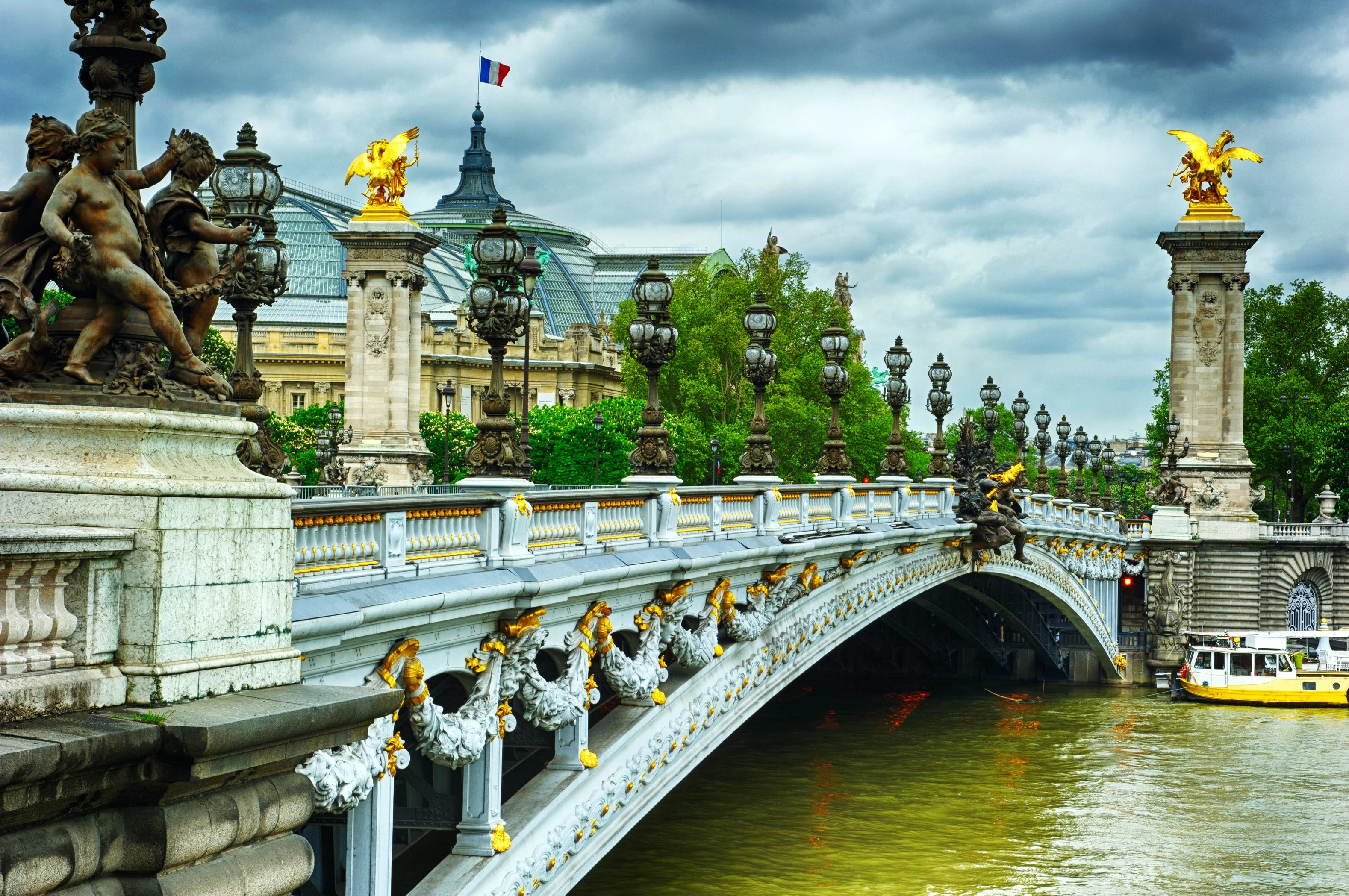
Alexandre-III Bridge
With its low arch, gilded ornaments and mythological sculptures, the Pont Alexandre III was built to mark the Franco-Russian alliance. Crossing it, you can see the Eiffel Tower on one side and the National Assembly on the other, which makes it one of the most photographed viewpoints in Paris, by day and after dark when it is lit up. The bridge links the Invalides bank to the Grand and Petit Palais, and makes a convenient starting point for exploring the surrounding neighbourhoods.
1. Ideal Timing: Visit the bridge at different times of the day. Sunrise and sunset provide beautiful lighting, while nighttime showcases the romantic illumination.
2. Photography: Bring your camera. The Pont Alexandre III is one of the most photographed bridges in Paris due to its elegance. Capture its artistic details from various angles.
3. Seine River Cruise: Combine your visit with a Seine River cruise. Many cruises pass under the Pont Alexandre III, offering a unique perspective of this iconic structure.
4. History and Architecture: Learn about the bridge's history and architecture. Understanding its historical context adds an extra layer to your visit.
5. Stroll Along the Seine: Enjoy a leisurely stroll along the Seine riverbanks. Explore the areas around the bridge on foot to discover other architectural gems and picturesque views.
6. Special Events: Check the events calendar. Sometimes, special events or festivals take place on the bridge, providing a unique atmosphere.
7. Relaxation Break: Take time to sit and relax. The riverbanks near the Pont Alexandre III are ideal for a tranquil break.
8. Easy Access: The bridge is easily accessible on foot from several major tourist sites, such as Les Invalides, the Grand Palais, and the Champs-Élysées.
9. Natural Light: If possible, visit the bridge on a sunny day to enjoy the natural light that enhances its architectural splendor.
10. Explore Surrounding Areas: Explore nearby neighborhoods like the Champs-Élysées and Les Invalides for a complete Parisian experience.
Walking on the Pont Alexandre III is not only an architectural discovery but also an immersion into the history and charm of Paris. Take your time to appreciate every detail of this iconic monument.
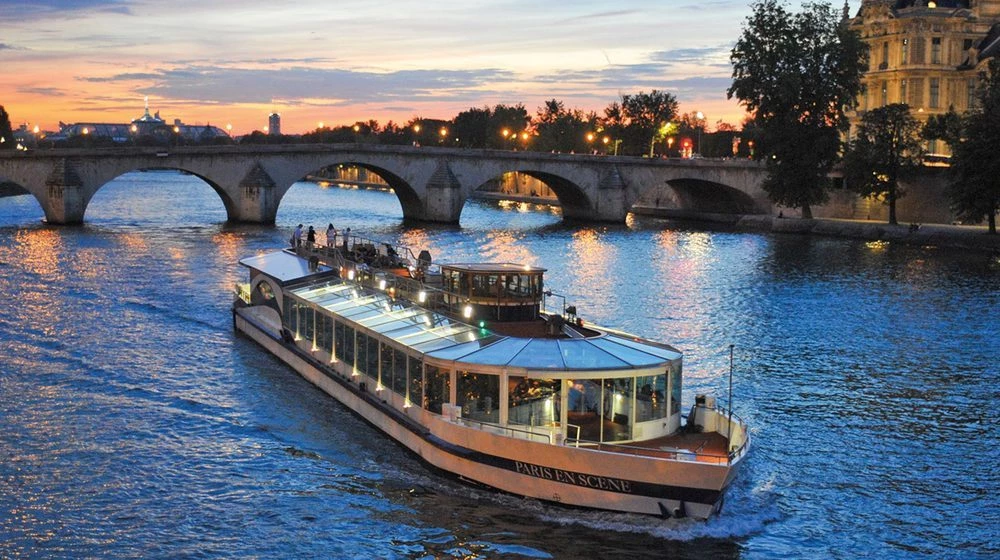
Take a cruise on the Seine or navigate the Parisian canals
A Seine cruise passes the Eiffel Tower, the Louvre and Notre-Dame, all especially striking once they are lit up in the evening. Audio commentary on board covers the history and architecture of the sites along the way, and the options range from a short ride to a dinner cruise, depending on the time you have.
The Paris canals, in particular the Canal Saint-Martin, offer a quieter alternative away from the usual routes. You pass through locks and less-visited neighbourhoods, and some tours led by locals add stories about the places you go by, between cafés and galleries. The Seine and the canals give two complementary ways to discover the city from the water.
1. Book in Advance: To avoid queues, book your Seine River cruise tickets online. Some services even offer discounts for early bookings.
2. Choose the Right Time: Evening cruises provide stunning views of illuminated monuments, but daytime hours are ideal for capturing well-lit photos.
3. Opt for a Guided Cruise: Cruises with audio commentary provide in-depth information about the sites you pass, enhancing your overall experience.
4. Prepare for the Weather: If you choose an open-air cruise, make sure to bring a light jacket or hat, depending on the season.
Tips for Navigating Parisian Canals:
1. Explore Private Boat Rental Options: For a more intimate experience, some companies offer private boat rentals on the canals. Ideal for smaller groups.
2. Choose a Themed Tour: Opt for a themed canal tour, such as an excursion on the Canal Saint-Martin with a guide passionate about local history.
3. Allow Time to Wander: The canals are full of charm, so allow yourself time to wander and discover unexpected corners.
4. Bring Snacks: If your canal excursion doesn't include a meal, bring some snacks to enjoy the scenery without getting hungry.
Whether you go for the majesty of the Seine or the intimacy of Parisian canals, these tips will help you make the most of your boating experience in Paris. Enjoy the views and soak in the unique charm of the City of Light from the water.
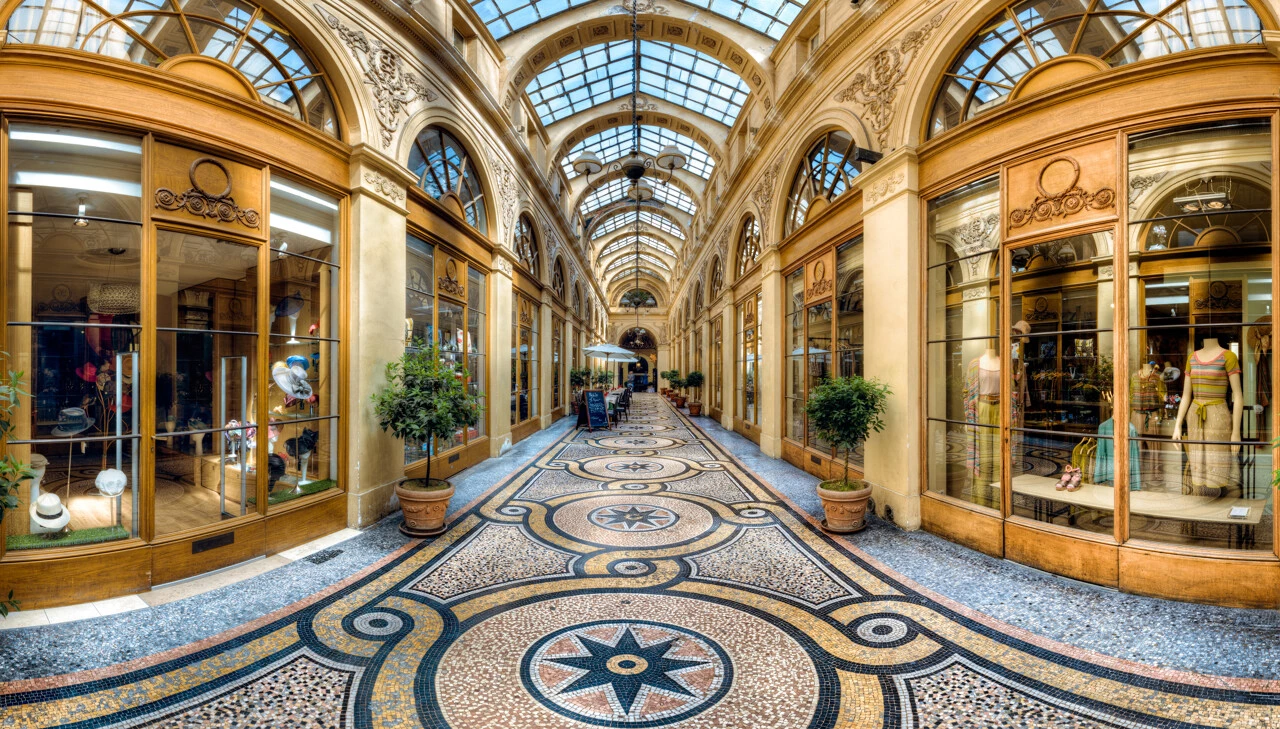
Covered Passages
Dating from the 19th century, the covered passages of Paris are shopping arcades sheltered under glass roofs, with cobbled floors and decorated façades. Each has its own character: the Passage des Panoramas, one of the oldest, contrasts with the grander Galerie Vivienne. Beneath these arches you find shops, bookstores, antique dealers and cafés. Tucked away from the main avenues, the passages let you cross certain districts while taking in a slice of the city's commercial history.
1. Choose Your Passages: Paris boasts several covered passages, each with its unique charm. The most famous ones include Passage des Panoramas, Galerie Vivienne, and Passage Jouffroy. Do some research to find those that align with your interests.
2. Opt for Off-Peak Hours: Visit the passages early in the morning or late in the evening to avoid crowds. It's often the best time to appreciate the peaceful and captivating atmosphere of these galleries.
3. Look Up and Down: Passages aren't limited to shops. Glass ceilings and cobbled floors are often adorned with artistic details. Remember to look up and watch your step.
4. Explore the Shops: The passages house a variety of shops, from bookstores to curiosity boutiques. Take the time to wander and discover the unique treasures these stores have to offer.
5. Stop for a Coffee: Many passages have charming cafes where you can take a break and soak in the atmosphere. It's also an opportunity to absorb the charm of the place.
6. Stay Curious: Passages can reveal unexpected surprises, whether it's an antique bookstore, an art gallery, or a museum. Stay open to the unexpected.
7. Capture the Moment: The passages offer excellent photographic opportunities. The play of light, architectural details, and intimate ambiance are worth capturing.
8. Check for Special Events: Some passages host special events, temporary exhibitions, or artistic performances. Check if there's anything exceptional planned during your visit.
9. Be Respectful: Covered passages are historical locations. Be respectful of private property and avoid disrupting the calm atmosphere by being noisy.
10. Consult a Map: To ensure you don't miss any passages, consult a map before heading out. Some galleries may be tucked away, and a map can help you plan your route.
By following these tips, you'll create a memorable experience while exploring the charming Covered Passages of Paris.
Getting there
Paris is easy to reach by air or rail.
Paris is easy to reach by air or rail. The city is served by three airports and several major rail stations.
By air
- Paris-Charles de Gaulle (CDG): RER B to Gare du Nord or Châtelet-Les Halles, 25-40 min.
- Paris-Orly (ORY): Métro line 14 direct to Châtelet-Les Halles (since June 2024), about 25 min; or Orlyval + RER B via Antony, or tram T7.
- Beauvais-Tillé (BVA): official A01 shuttle to Porte Maillot (Métro 1 / RER C), 1h15-1h30.
By train
Each main Paris station serves a direction: Gare du Nord (Eurostar to London, Brussels and Amsterdam; northern France), Gare de Lyon (south-east, TGV to Lyon, Marseille, Nice, Switzerland, Italy), Gare Montparnasse (west and south-west: Brittany, Bordeaux, Nantes), Gare de l'Est (eastern France, Germany, Luxembourg), Gare Saint-Lazare (Normandy) and Gare d'Austerlitz (central and south-west France).
The Eurostar arrives at and departs from Gare du Nord, linking Paris to London (St Pancras) as well as Brussels and Amsterdam.
Getting around
Getting around Getting around Paris is relatively easy thanks to its well-developed transportation system.
Getting around
Getting around Paris is relatively easy thanks to its well-developed transportation system. Here are several options for getting around the city:
-
Metro: The Paris Metro is fast and efficient, with 16 lines serving the city and its suburbs. Metro stations are well-signposted, and the network is often the fastest way to move around Paris.
-
Bus: The bus network is extensive, covering virtually all neighborhoods in the city. Buses are ideal for shorter trips or for exploring areas not served by the metro.
-
Tramway: The tramway operates on several lines, providing a convenient alternative, especially in certain parts of the city.
-
RER (Réseau Express Régional): The RER is a network of regional trains connecting Paris to its suburbs and airports. It is faster than the metro for travel to the outskirts of the city.
-
Vélib' (Bike-sharing): Paris offers a bike-sharing service called Vélib'. You can rent a bike for short trips and explore the city at your own pace.
-
Taxis: Taxis are readily available in Paris. You can hail them on the street, find them at taxi stands, or book in advance.
-
Ride-Sharing Services (VTC - Voitures de transport avec chauffeur): Ride-sharing services like Uber are widely used in Paris, providing an alternative to traditional taxis.
-
Walking: Paris is a pleasant city to explore on foot. Many tourist sites are located close to each other, making walking a convenient option.
-
Boats on the Seine: Bateaux-mouches and other boat services on the Seine offer a unique perspective of the city.
-
Car: Renting a car may be useful if you plan to visit places outside of Paris. However, for the city center, public transportation is often more convenient.
Before choosing a mode of transportation, consider your destination, the duration of your stay, and the desired speed for getting around. Paris' transportation system is well-organized, making it easy to explore the city.
Climate & seasons
When to go : France ?
Monthly averages over the past 5 years (Open-Meteo).
Best months
- avril
- mai
- août
| jan | fév | mar | avr | mai | juin | juil | août | sept | oct | nov | déc | |
|---|---|---|---|---|---|---|---|---|---|---|---|---|
| Our take | ||||||||||||
| Weather | ||||||||||||
| High | 7° | 10° | 13° | 16° | 19° | 24° | 25° | 25° | 22° | 18° | 11° | 9° |
| Rain (mm) | 84 | 47 | 63 | 55 | 72 | 82 | 86 | 71 | 82 | 85 | 66 | 69 |
| City sightseeing | City sightseeing février | City sightseeing mars | City sightseeing avril | City sightseeing mai | City sightseeing juin | City sightseeing juillet | City sightseeing août | City sightseeing septembre | City sightseeing octobre | City sightseeing novembre |
What to do by season (summer)
-
City sightseeing
Pedestrian-friendly most of the year.
When to go
When to go The best time to visit Paris depends on your preferences for climate, activities, and crowd levels.
When to go
The best time to visit Paris depends on your preferences for climate, activities, and crowd levels. Here's a description of the seasons in Paris:
-
Spring (March to May): Spring is generally considered one of the best times to visit Paris. Temperatures are mild, gardens are in bloom, and the days start to lengthen. It's a delightful time for strolling through the city, visiting landmarks, and enjoying café terraces.
-
Summer (June to August): Summer in Paris can be warm, with high temperatures. It's the peak tourist season, attracting visitors from around the world. Parks, gardens, and the banks of the Seine River come to life, but you may encounter more crowds.
-
Autumn (September to November): Autumn is a pleasant time to visit Paris. Temperatures remain moderate, trees start to display autumn colors, and tourist sites are less crowded than in summer. It's a season conducive to exploring museums and historic neighborhoods.
-
Winter (December to February): Winter in Paris can be cool, but it offers a festive atmosphere with Christmas decorations. Temperatures are cooler, but the city has its charm with Christmas markets, illuminations, and cultural events.
In summary, spring and autumn are often considered the best seasons to visit Paris due to pleasant temperatures and moderate tourist influx. However, each season has its own charms, and Paris can be enjoyed throughout the year.
Where to stay
Where to stay Paris offers a variety of accommodation options to cater to different budgets and preferences.
Where to stay
Paris offers a variety of accommodation options to cater to different budgets and preferences. Here are some suggestions based on different criteria:
Hotels:
- Latin Quarter: Ideal for history, culture, and close to many tourist attractions.
- Le Marais: Trendy atmosphere, with art galleries and fashionable shops.
- Champs-Élysées: Perfect for shopping enthusiasts and those who want to be in the heart of the action.
More Affordable Neighborhoods:
- Belleville: More affordable, with an artistic ambiance.
- La Villette: Dynamic neighborhood, less touristy, with Parc de la Villette nearby.
Hostels:
- Montmartre: Bohemian atmosphere, with a view of the city from the Sacré-Cœur Basilica.
- Le Marais: Close to trendy bars and restaurants.
Apartment Rentals:
- Airbnb: Find apartments in different neighborhoods of the city.
- Booking.com, Vrbo, HomeAway: Also offer a variety of independent accommodation options.
General Tips:
- Book Early: Especially if you're traveling during the peak tourist season.
- Transport: Choose a location close to public transportation for easy commuting.
- Budget: Set a budget before searching to narrow down your options.
Make sure to check online reviews before booking and consider your personal preferences in terms of location, comfort, and accommodation style.
FAQ
When is the best time to visit Paris?
When is the best time to visit Paris?
Spring (April-June) and early autumn (September-October) offer pleasant weather and smaller crowds than peak summer, when major sites are busiest and pickpockets most active.
How many days do you need in Paris?
Three to four days cover the essentials: the Eiffel Tower, the Louvre, Notre-Dame, Montmartre and a Seine cruise. A 48- or 96-hour Paris Museum Pass matches a 2- or 4-day itinerary.
How do you get around Paris?
The metro, RER, bus and tram run by the RATP serve every major sight. Visitors can buy a Paris Visite pass (1-5 days) or load tickets onto a reloadable Navigo Easy card (€2), available in stations.
Is the Paris Museum Pass worth it?
It covers 50+ museums and monuments — Louvre, Orsay, Arc de Triomphe, Sainte-Chapelle, Panthéon, Invalides — with skip-the-ticket-line access. It pays off as soon as you visit several paid sites over 2, 4 or 6 consecutive days.
Is Notre-Dame de Paris open?
Yes. The cathedral reopened on 8 December 2024 after five years of restoration following the 2019 fire. Entry to the nave is free, but booking via the official mobile app is recommended (capacity around 2,500 visitors per day).
Is Paris safe? How do I avoid pickpockets?
Paris is generally safe, but pickpocketing is common near the Eiffel Tower, Notre-Dame, the Champs-Élysées and on metro line 1. Wear a closed cross-body bag, avoid back pockets and stay alert in crowds.
Leave a comment
Share your thoughts or travel experience. Your email will not be published.