

Overview
Uzbekistan, a Central Asian country of 36 million people, holds the jewels of the Silk Road around Samarkand, Bukhara and Khiva.
Uzbekistan is a doubly landlocked country in Central Asia, bordered by Kazakhstan, Kyrgyzstan, Tajikistan, Afghanistan and Turkmenistan. With its 36 million inhabitants, it is the most populous country in the region and one of the most accessible for English-speaking travellers since the visa exemption introduced in 2018.
The country's main appeal lies in its Timurid and Islamic heritage, inherited from the 15th century. Four sites are inscribed on the UNESCO World Heritage list: Samarkand, Bukhara, Khiva (Itchan Kala) and Shahrisabz, the birthplace of Tamerlane.
- Capital: Tashkent (3 million inhabitants)
- Currency: Uzbekistani som (UZS), around 14,000 UZS for 1 EUR (about 12,500 UZS for 1 USD)
- Languages: Uzbek (official), Russian widely spoken; English understood in international hotels and by younger guides in Samarkand and Bukhara, but limited outside tourism circuits
- Time zone: UTC+5, no daylight saving (5h ahead of London in winter / 4h in summer; 10h ahead of New York EST / 9h ahead of EDT)
The classic trip traces the Silk Road from east to west. You land in Tashkent, hop on the high-speed train to Samarkand and then Bukhara, and close the loop in Khiva via the Kyzylkum desert. Ten days are enough to grasp the essentials.
Registan Square
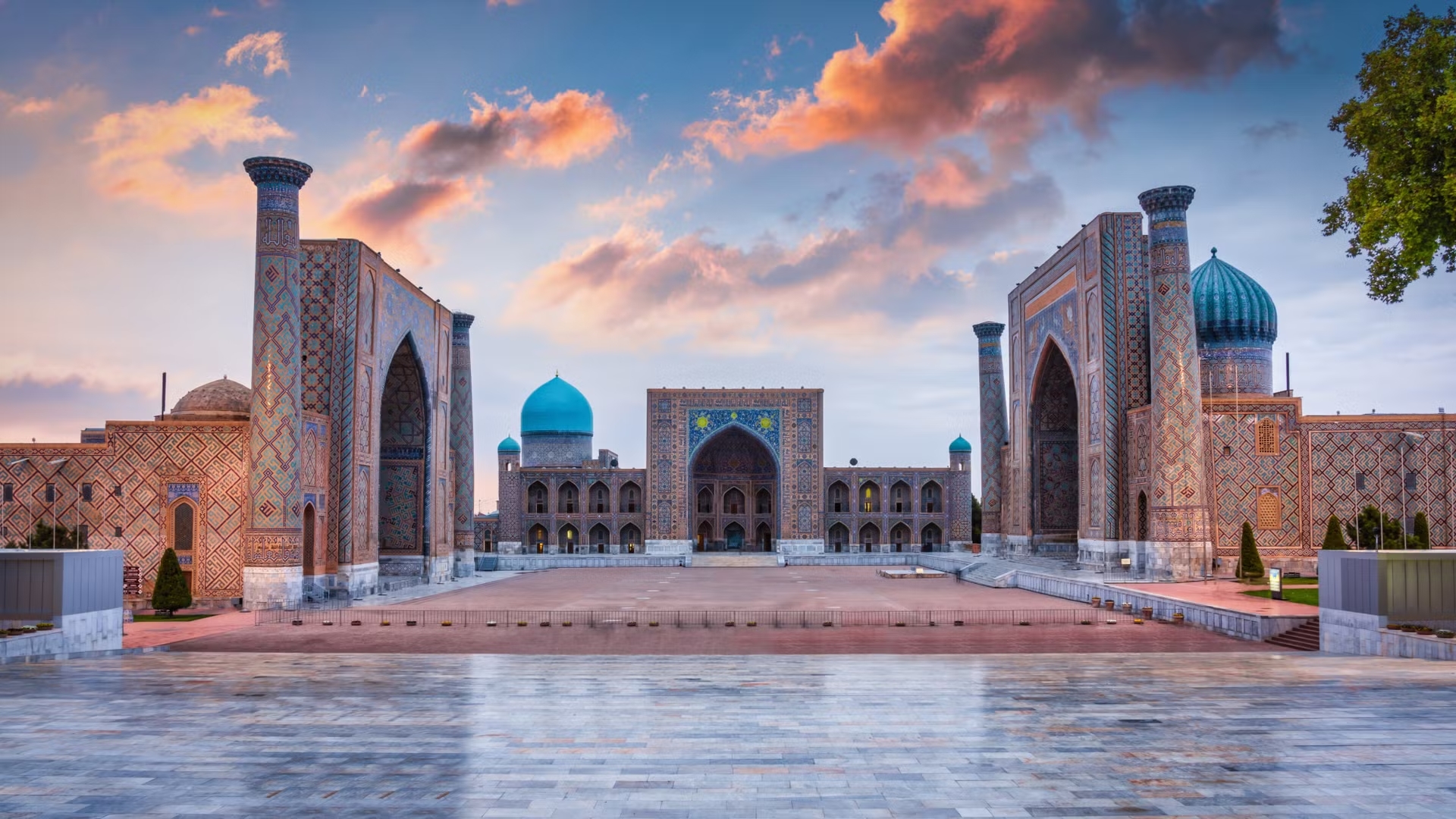
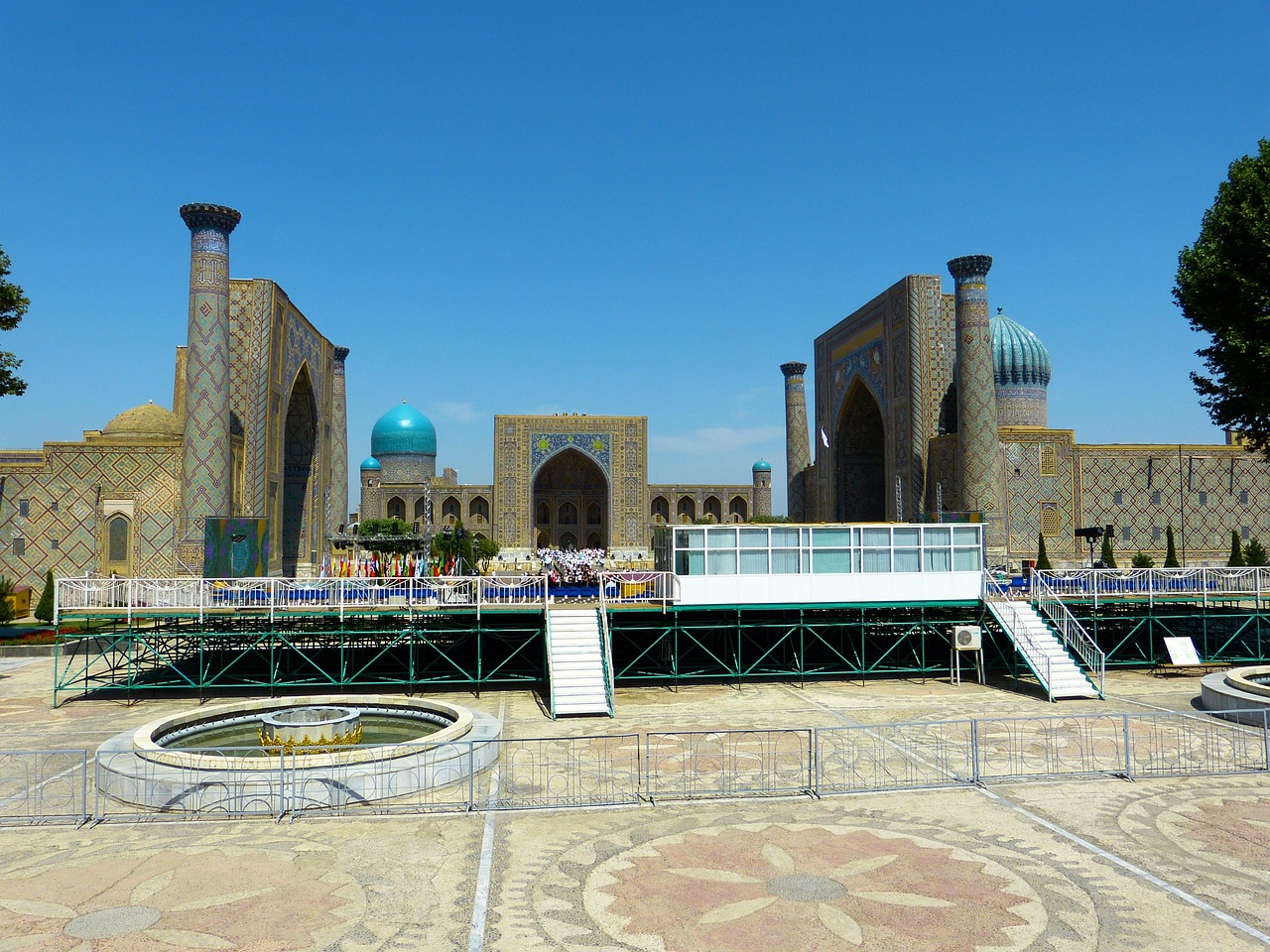
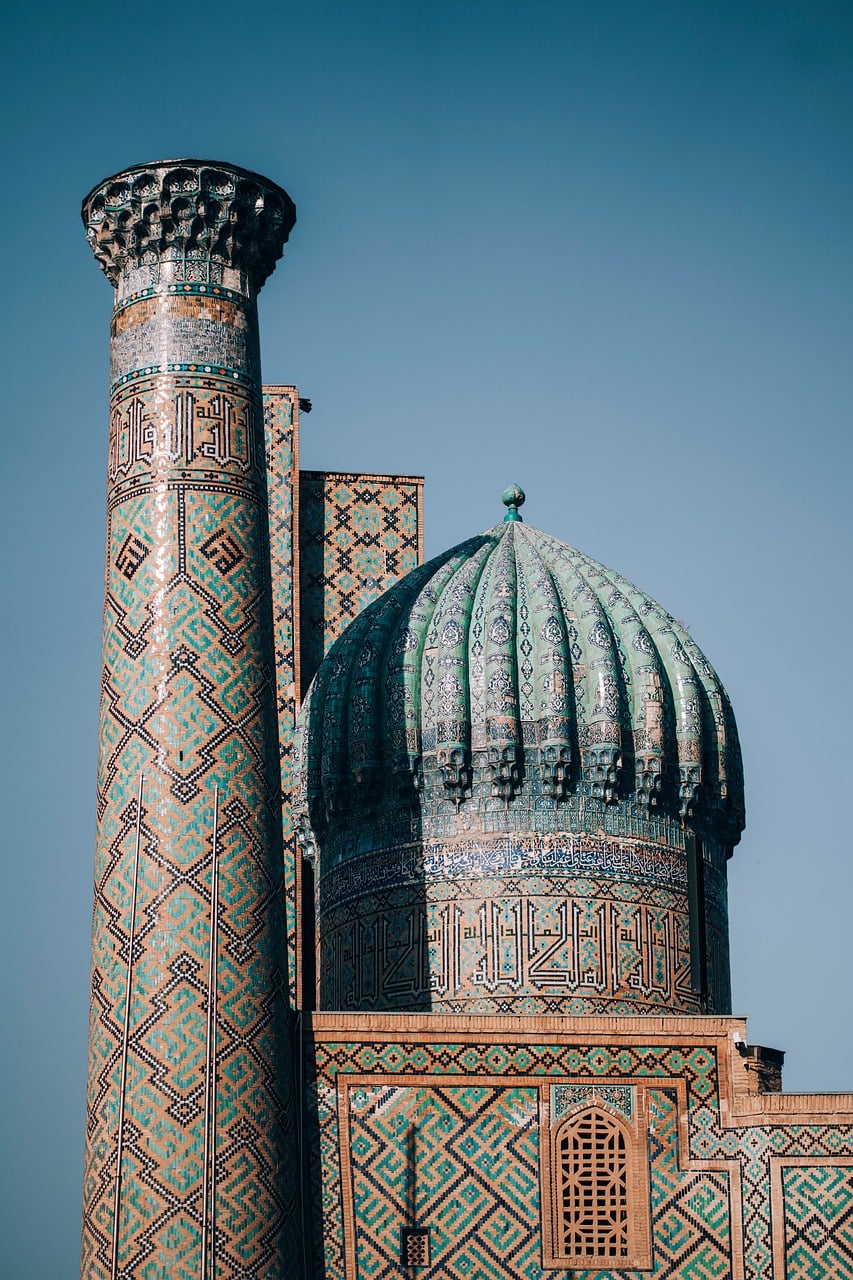
You step out into the square and three turquoise mosaic facades rise up at you, 35 metres (115 ft) tall, lined up in a U like an echo chamber. The monumental heart of Samarkand, the Registan brings together three Timurid madrasas: Ulugh Beg (1420), Sher-Dor (1636) and Tilla-Qari (1660). Inscribed on the UNESCO World Heritage list in 2001, the ensemble takes about 2 hours to visit, madrasas included, with their inner courtyards, student cells and the gold-leaf mosque inside Tilla-Qari. It is the absolute architectural high point of the trip, more impressive in scale than anything you will see afterwards in Bukhara or Khiva.
Po-i-Kalyan Complex (Kalyan Minaret and Mosque, Mir-i-Arab Madrasa)
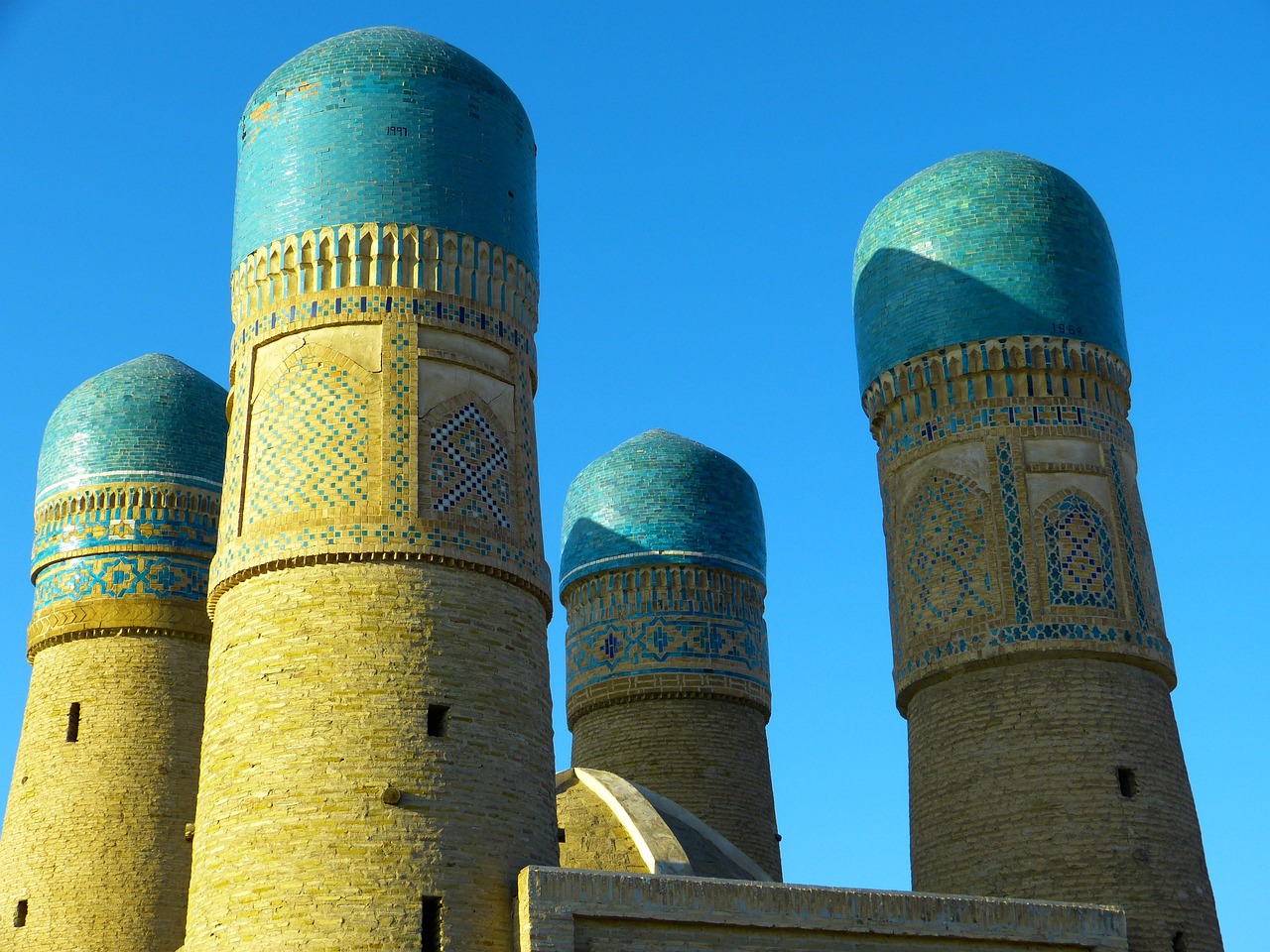
The minaret rises at the end of the alley, brick on brick, and you understand why Genghis Khan reportedly stepped back from it in 1220. The spiritual pivot of medieval Bukhara, the Po-i-Kalyan complex lines up the Kalyan Minaret (45.6 m / 150 ft, completed in 1127), the Kalyan Mosque opening onto a 130-metre-long courtyard, and the Mir-i-Arab Madrasa, still active with 250 students. Inscribed on the UNESCO list since 1993, the ensemble takes about 1h30 to walk through, mandatory photo from the rooftop terrace of the neighbouring Amir Alim Khan madrasa. More charged with history and spirituality than the Registan, and more intimate too.
Itchan Kala, the Walled Old City of Khiva
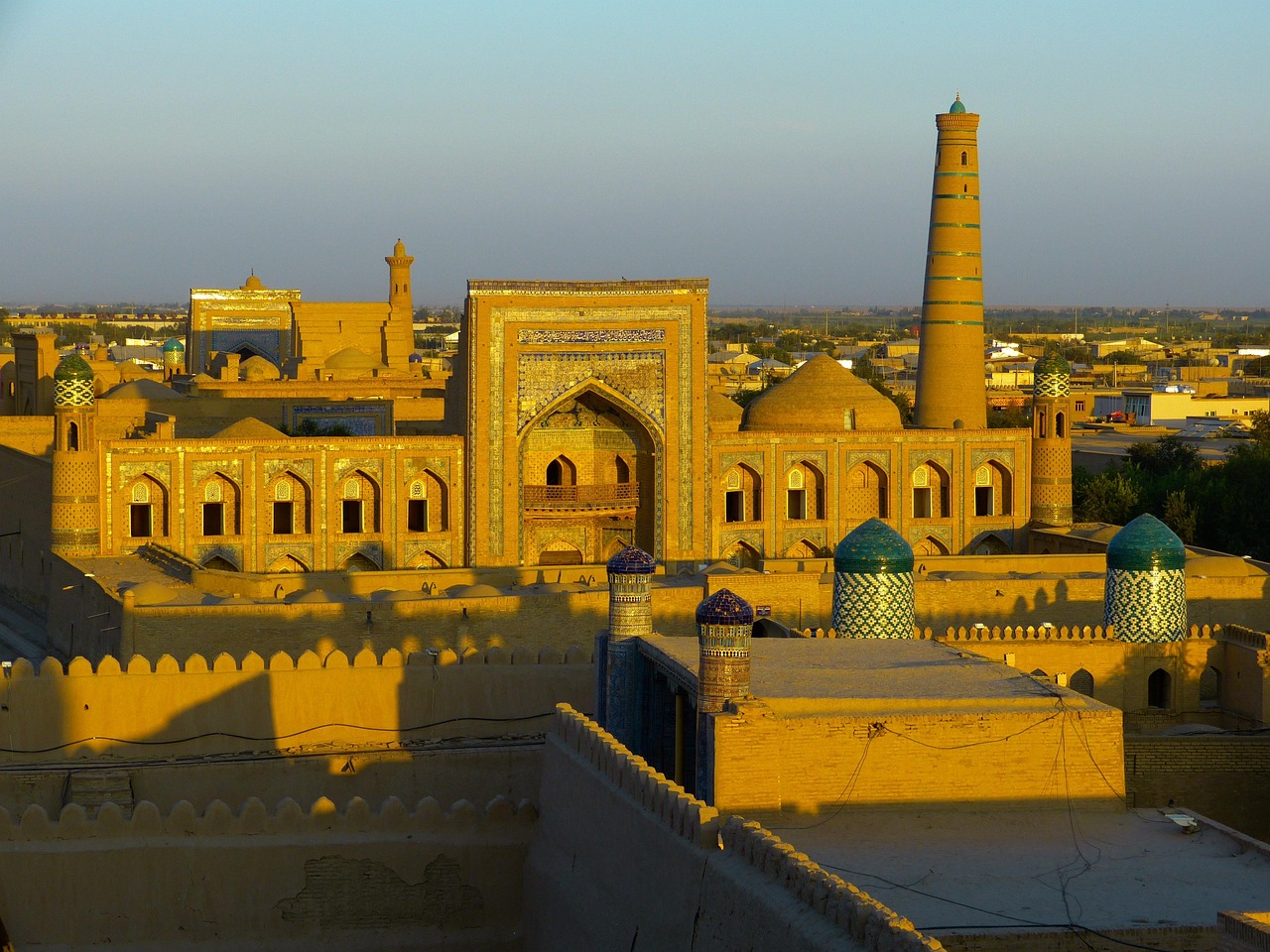
You pass through the western gate, and 37.5 hectares (93 acres) of golden adobe open up like a stage set frozen in the 19th century. A walled inner citadel ringed by 10-metre ramparts, Itchan Kala packs in about fifty monuments: the Tash-Khauli Palace, the Islam Khoja minaret, madrasas and caravanserais preserved as an open-air museum. The first Uzbek site inscribed by UNESCO in 1990, the city takes a full day to cover with the combined ticket in hand. More compact and more uniform than Bukhara, Itchan Kala gives the rare sense of walking through an entire medieval city.
Shah-i-Zinda Necropolis
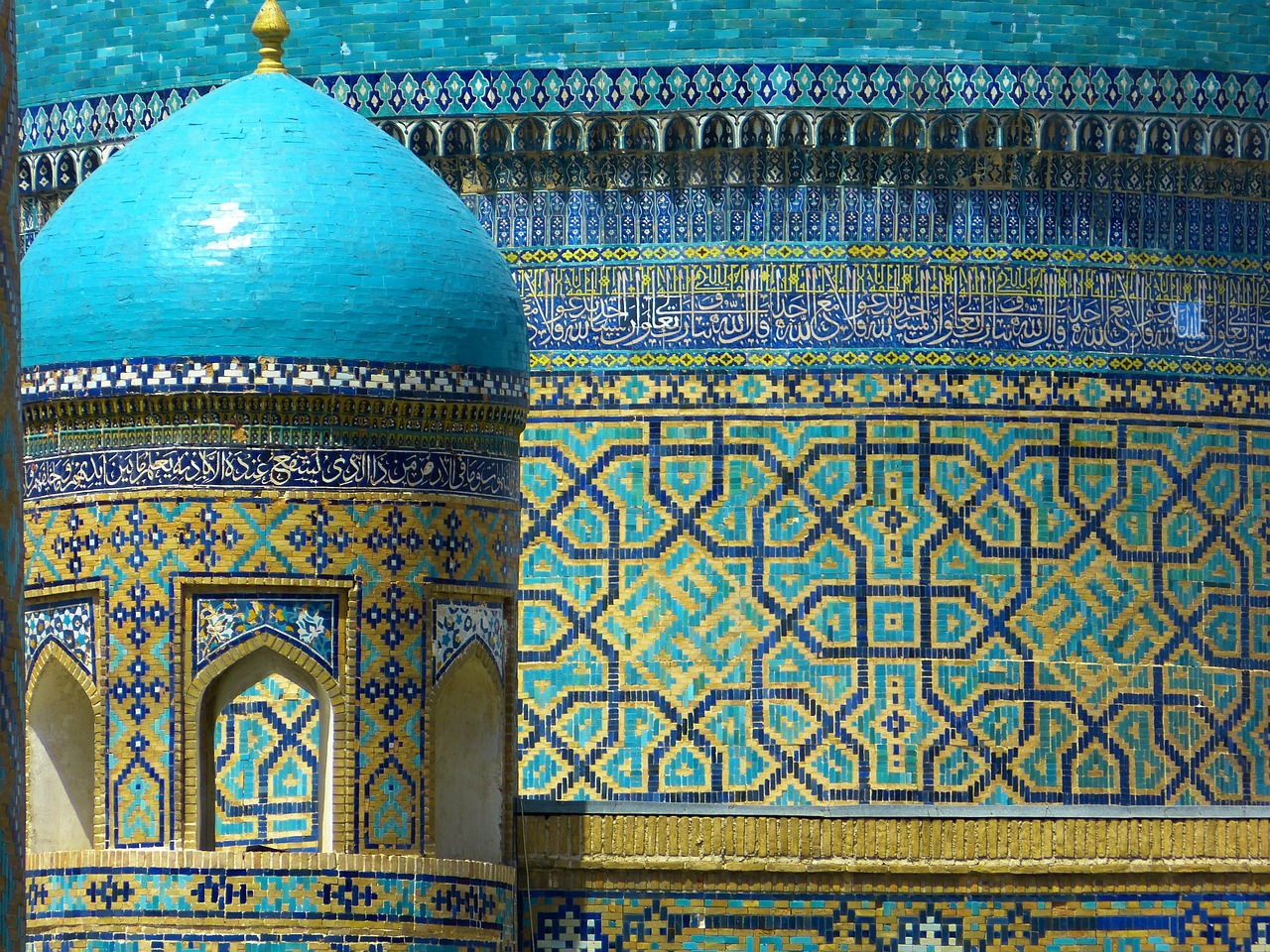
You climb a few steps, look up, and the funerary avenue grabs you: 11 mausoleums in a row, facades covered in cobalt-blue and turquoise ceramics. The necropolis holds around twenty tombs from the 14th and 15th centuries, all relatives or companions of Tamerlane. A living Shia pilgrimage site, it features one of the most virtuoso ceramic ensembles in the Islamic world, listed by UNESCO with Samarkand in 2001. The visit takes about 1 hour, climbing slowly to the Mausoleum of the Prophet's Cousin at the far end. Smaller than the Registan, infinitely more delicate in detail.
Gur-e-Amir Mausoleum, Tomb of Tamerlane
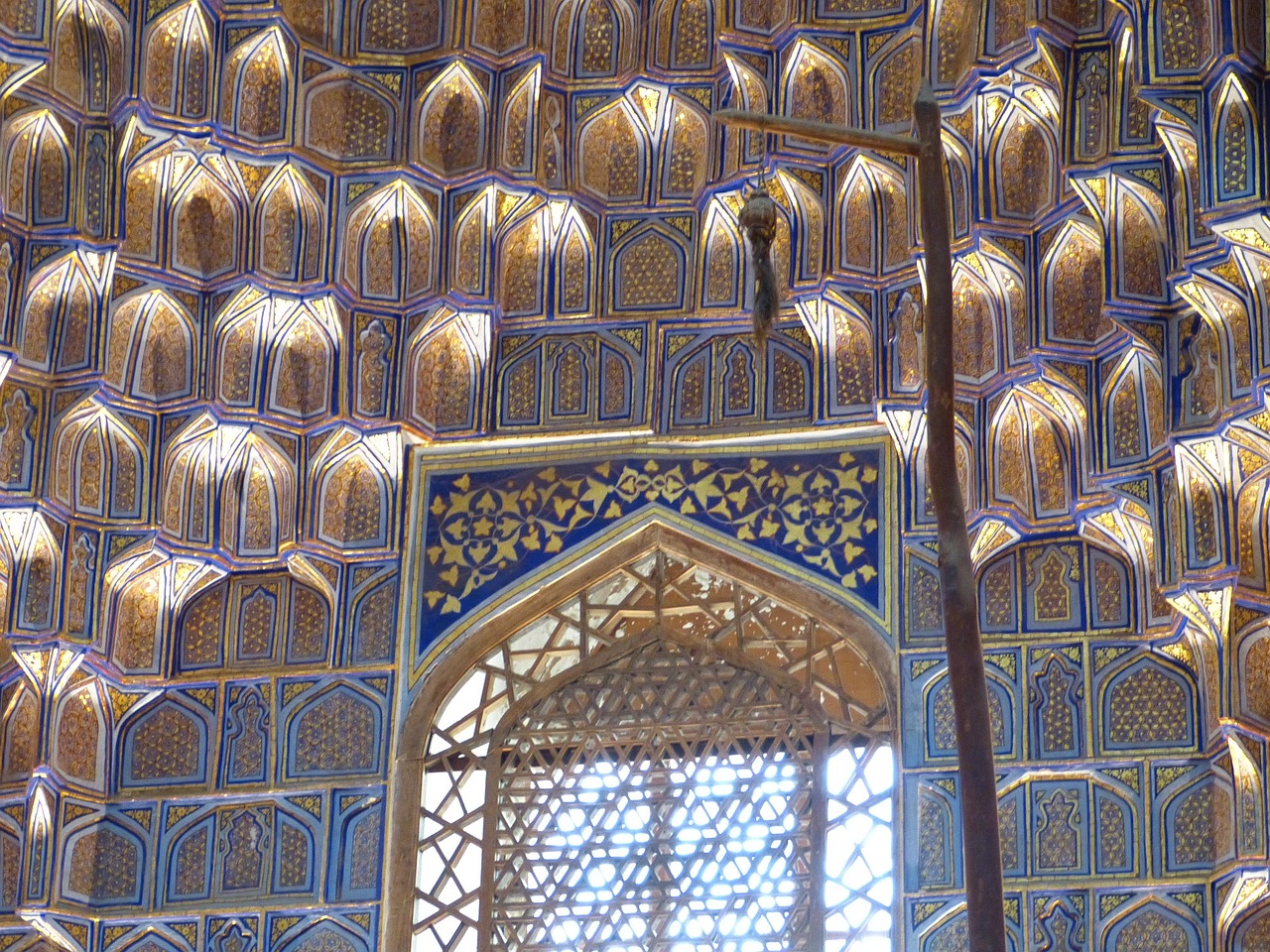
The fluted turquoise dome can be seen from a kilometre away, perched on a cylindrical drum like a giant melon. Tomb of Tamerlane (died 1405) and several Timurids including the astronomer Ulugh Beg, the Gur-e-Amir reaches 32 metres (105 ft) high. The interior, gold-leafed across ceiling and walls, inspired the architects of the Taj Mahal the following century. A short visit (30 minutes) but an essential one to grasp the aesthetic engine of the trip. Smaller in scale than the Registan, but with rare ornamental intensity.
Bibi-Khanym Mosque
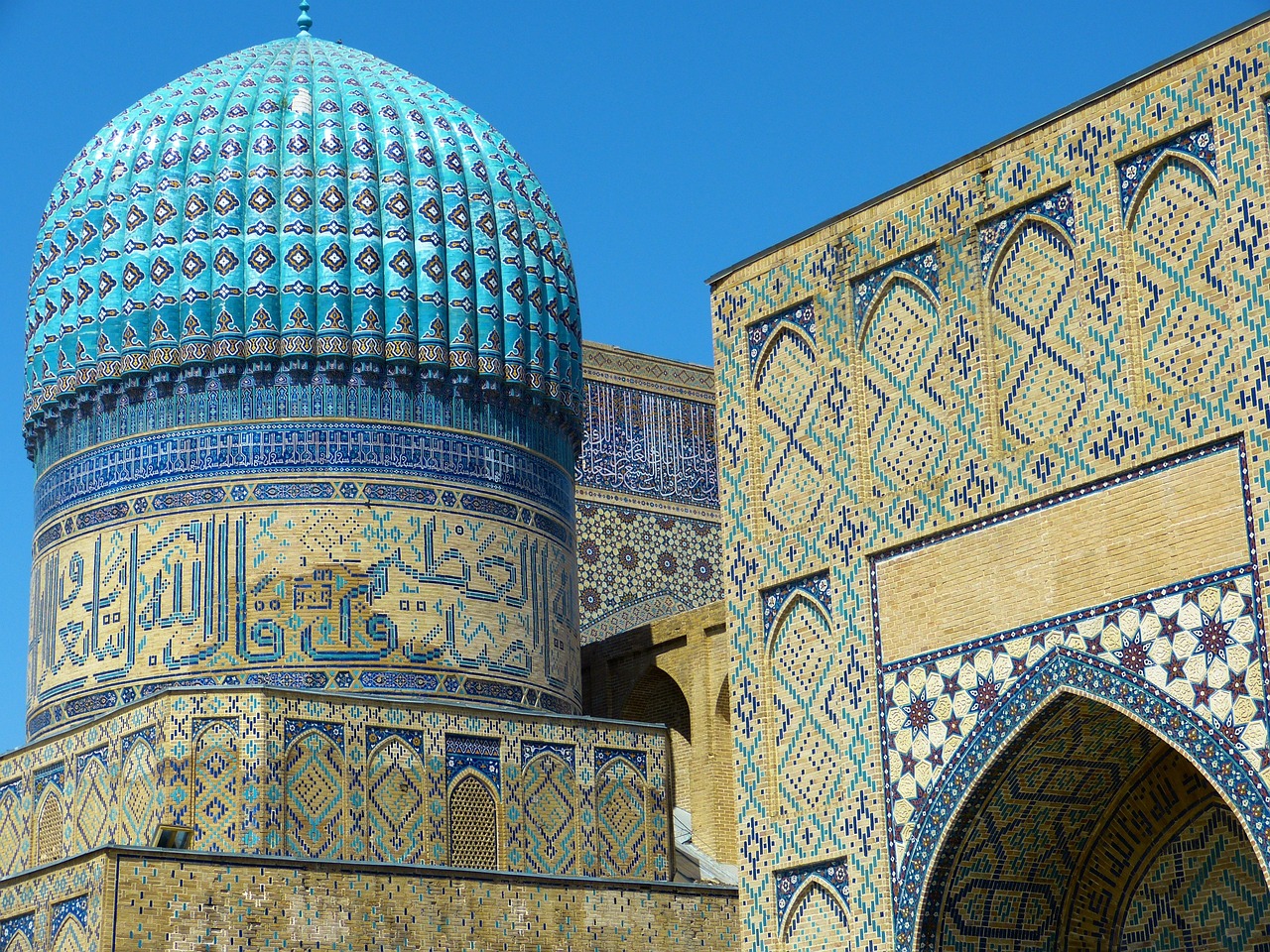
The main portal towers over you at 35 metres (115 ft), oversized, marked by cracks that tell six centuries of history. A 15th-century giant commissioned by Tamerlane on his return from his Indian campaign, Bibi-Khanym was the largest mosque in the Islamic world at its completion in 1404. The inner courtyard measures 167 m by 109 m, with a marble lectern in the centre under which women would pass to encourage fertility. The site was partially rebuilt during the Soviet era, which shows, but the sheer mass remains striking. Rougher and less perfect than the Registan, but singular.
Ark Fortress (Bukhara)
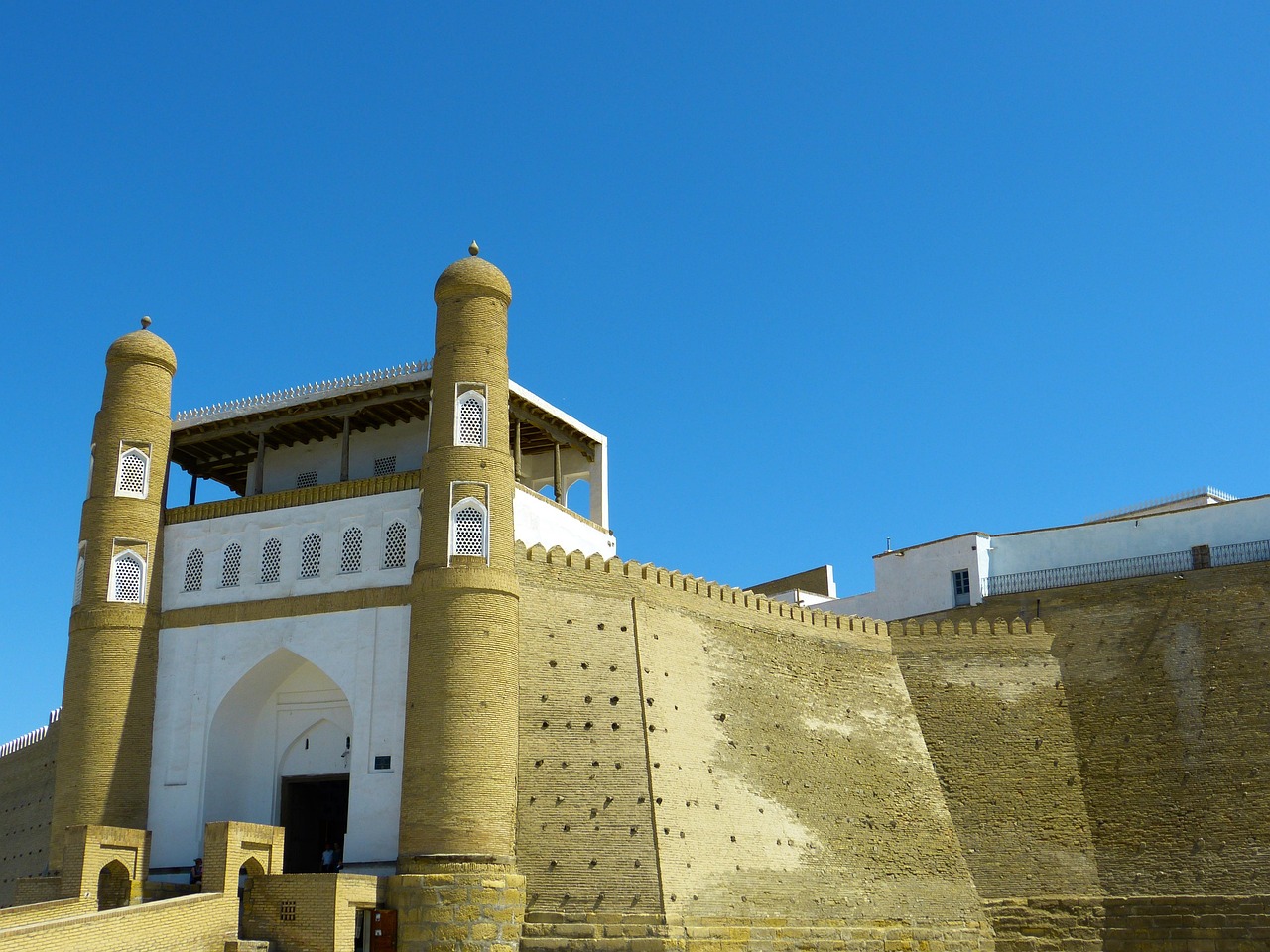
The adobe ramparts rise to 20 metres (65 ft), ochre and cracked, pierced by a single gate flanked by two round towers. A citadel occupied from the 5th to the 20th century, the Ark was the residence of the emirs of Bukhara until the Bolshevik conquest of 1920. 80% of the complex was destroyed in that takeover, but the Juma Mosque, the throne room and several museums (history, calligraphy, coins) remain. The visit lasts 1h30, including the climb onto the ramparts. More military than the religious ensembles, the Ark gives the measure of pre-Russian Uzbek civil power.
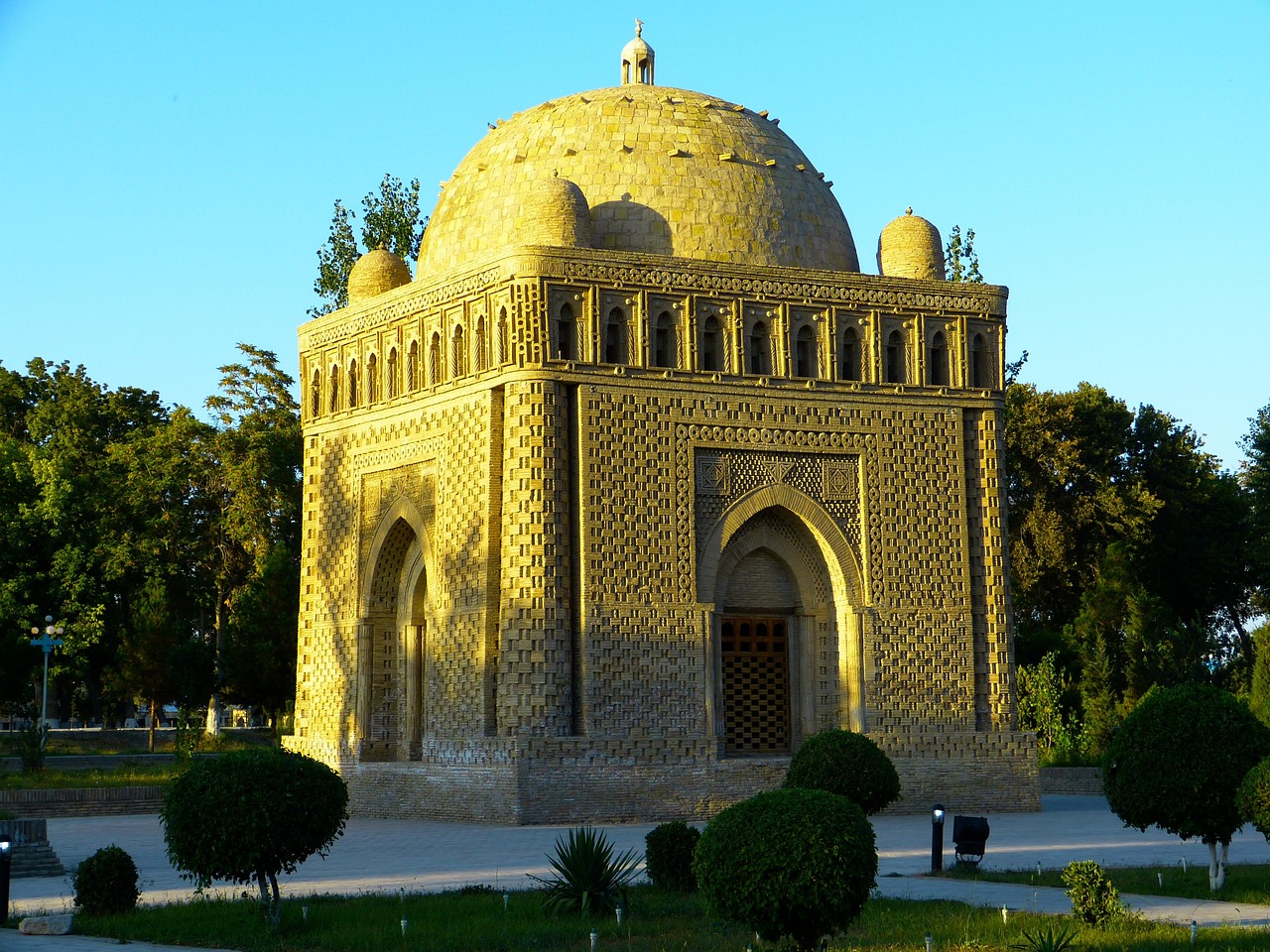
Ismail Samani Mausoleum (Bukhara)
A 10-metre brick cube set on the grass of a park, and the light brings out geometric relief patterns like lacework. A jewel of 9th-century Iranian architecture (built between 892 and 943), this mausoleum is one of the oldest Islamic monuments in Central Asia, miraculously preserved because it was buried under sand until the 20th century. Listed by UNESCO with Bukhara in 1993, it holds the tomb of Ismail Samani, founder of the Samanid dynasty. A very short visit (15 minutes), but a mandatory stop to gauge the pre-Mongol root of everything that follows.
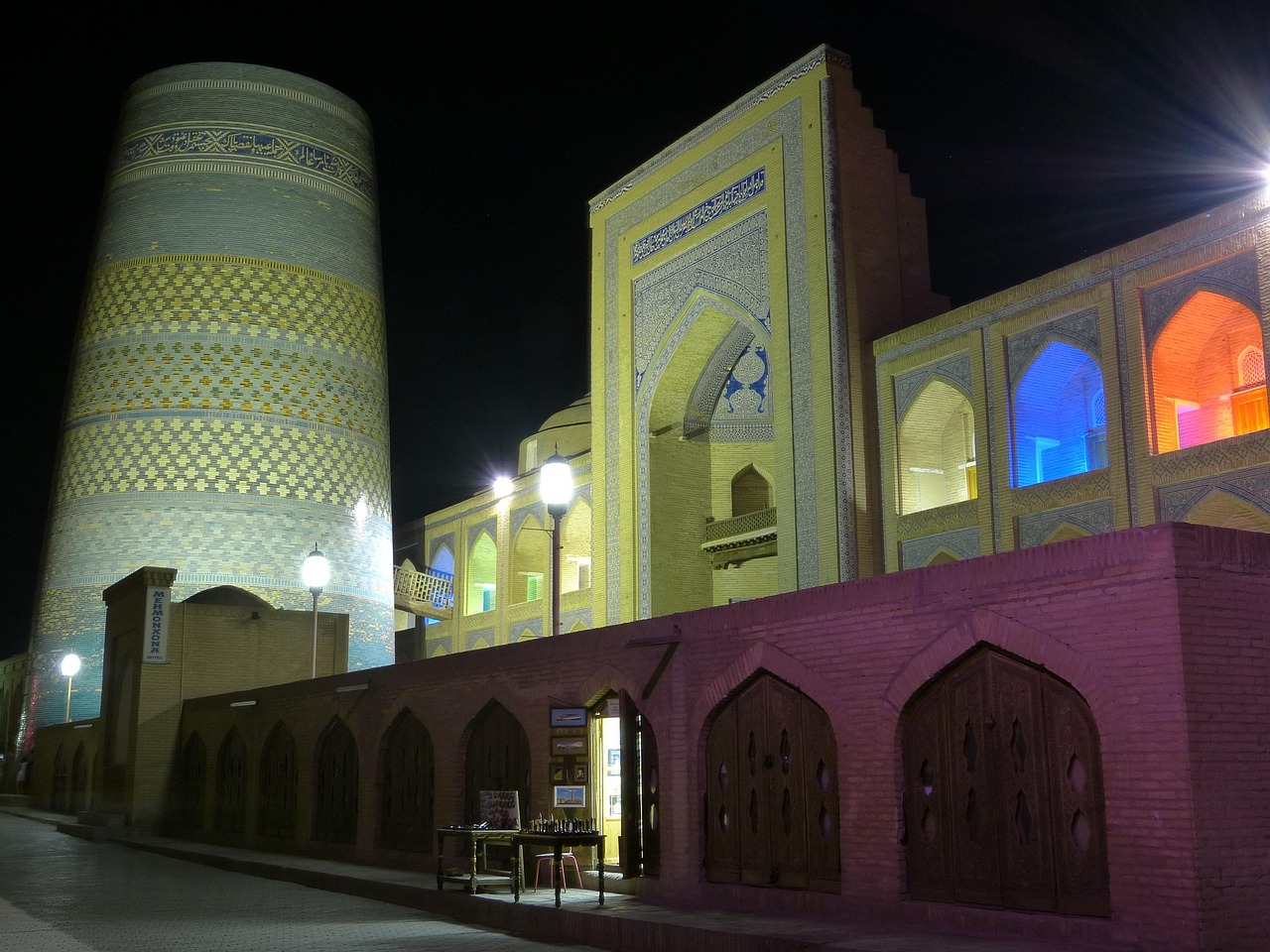
Kalta Minor Minaret (Khiva)
A squat tower, entirely blue, that looks as if it were sliced off mid-rise: the Kalta Minor ("short minaret") was meant to reach 80 metres and stops at 29 (95 ft). Erected in 1851 by Mohammed Amin Khan, the project was halted by the patron's death and stayed unfinished. Entirely covered in glazed blue, turquoise and white ceramic, it is the photographic icon of Itchan Kala. No interior visit, you admire it from outside in 15 minutes. More singular than the country's finished minarets, precisely because it is not.
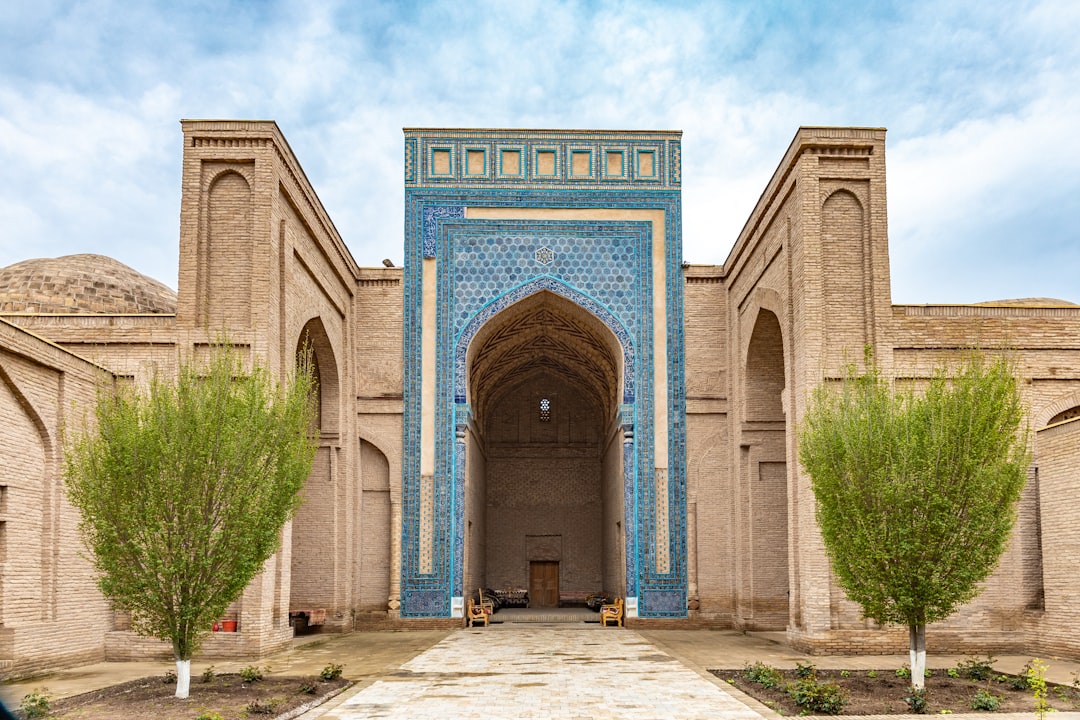
Historic Centre of Shahrisabz
You wander between blue ceramic portals rising from an ochre plain, 80 km (50 miles) south of Samarkand. The birthplace of Tamerlane, Shahrisabz preserves the monumental remains of the Ak-Saray Palace (1380) — whose portal pylons originally reached 65 m, with 38 m still standing — the Dorut Tilavat Mausoleum and the tomb of Jahangir, Tamerlane's eldest son. Inscribed by UNESCO in 2000 and on the in-danger list since 2016 after contested urban redevelopment, the site can be covered in half a day. Rougher and more rural than Samarkand, with far fewer tourists.
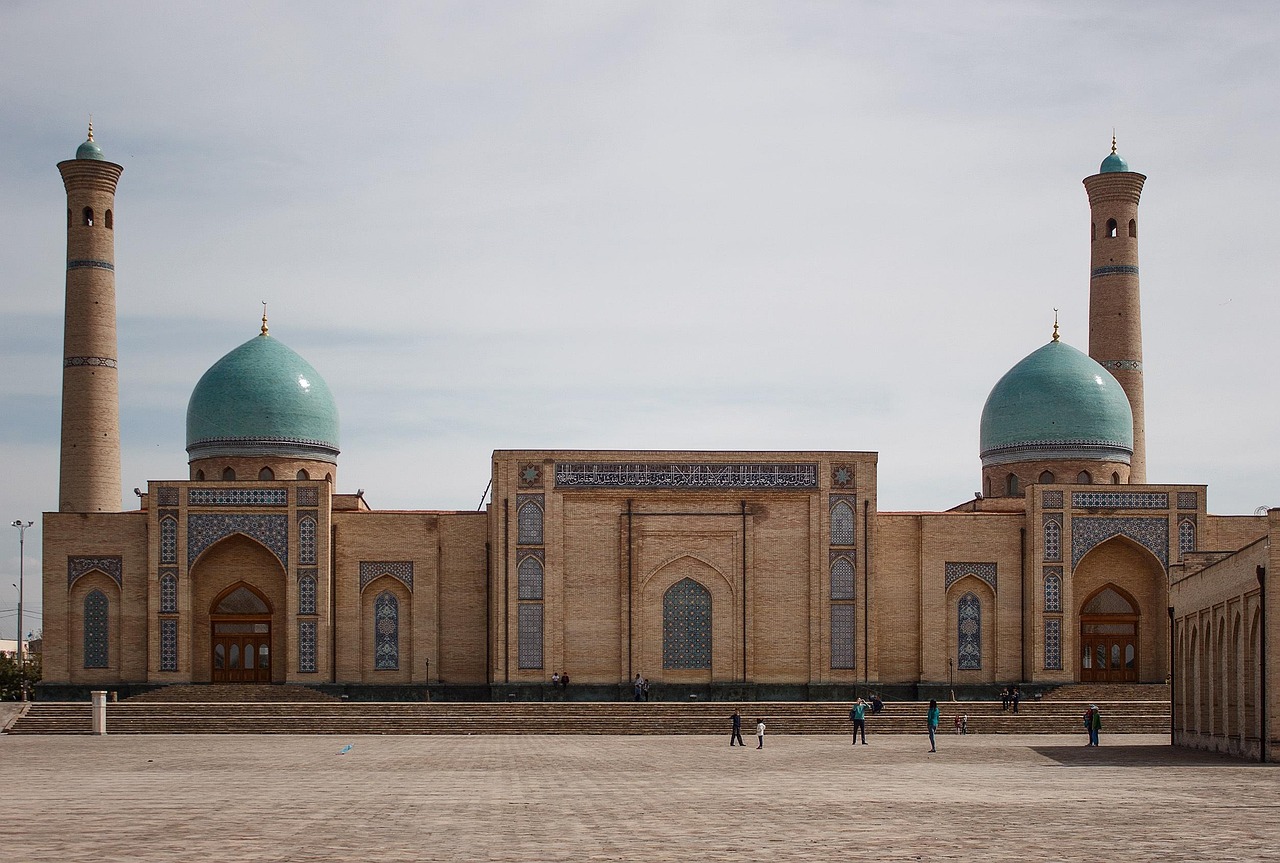
Tashkent: Hazrati Imam Complex and Amir Timur Square
Two slender minarets frame a paved courtyard, and the Hazrati Imam Mosque, rebuilt in 2007, still smells of fresh wood. The complex contains the Barak Khan Madrasa (16th century), the Kaffal Shashi Mausoleum and above all the Quran of Uthman, one of the oldest in the world, a 7th-century manuscript stained with the caliph's blood. The visit takes about 1 hour, to be rounded off with Amir Timur Square in the city centre, planted with oaks and equestrian statues. More modern and less photogenic than Samarkand or Bukhara, but essential to understand post-1966 Tashkent.
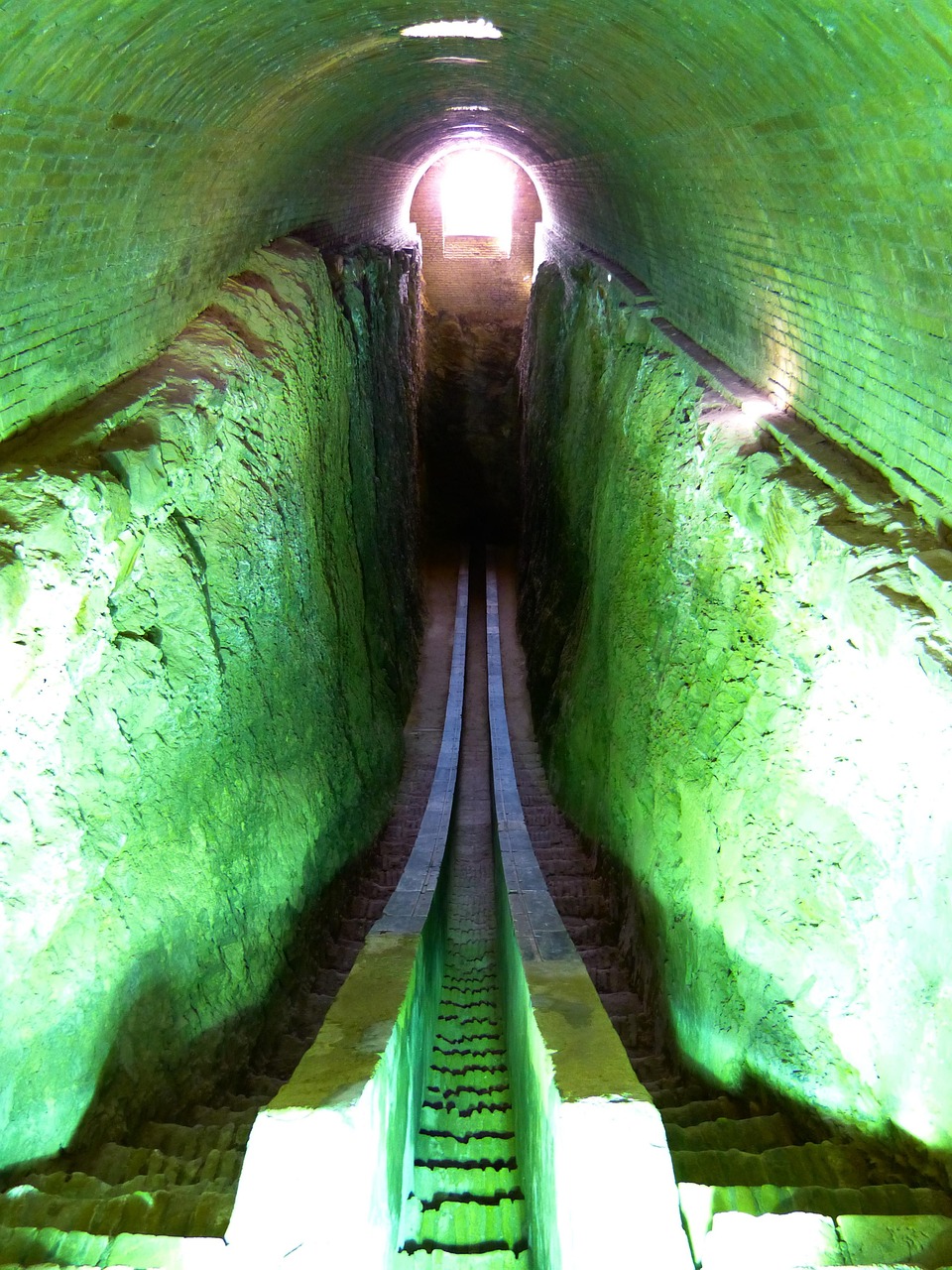
Ulugh Beg Observatory (Samarkand)
You walk down a polished marble ramp under a modern roof, and the giant arc of the sextant appears, still buried in the rock, perfectly preserved. A remnant of the gigantic marble sextant built in 1428 by the prince-astronomer Ulugh Beg, the instrument measured the stellar year to within a few seconds of accuracy, the smallest margin ever achieved before telescopes. A small adjoining museum traces Timurid sky charts and calculations. A short visit (45 minutes) but essential to understand that Samarkand was also a global scientific peak, not just an architectural showcase.
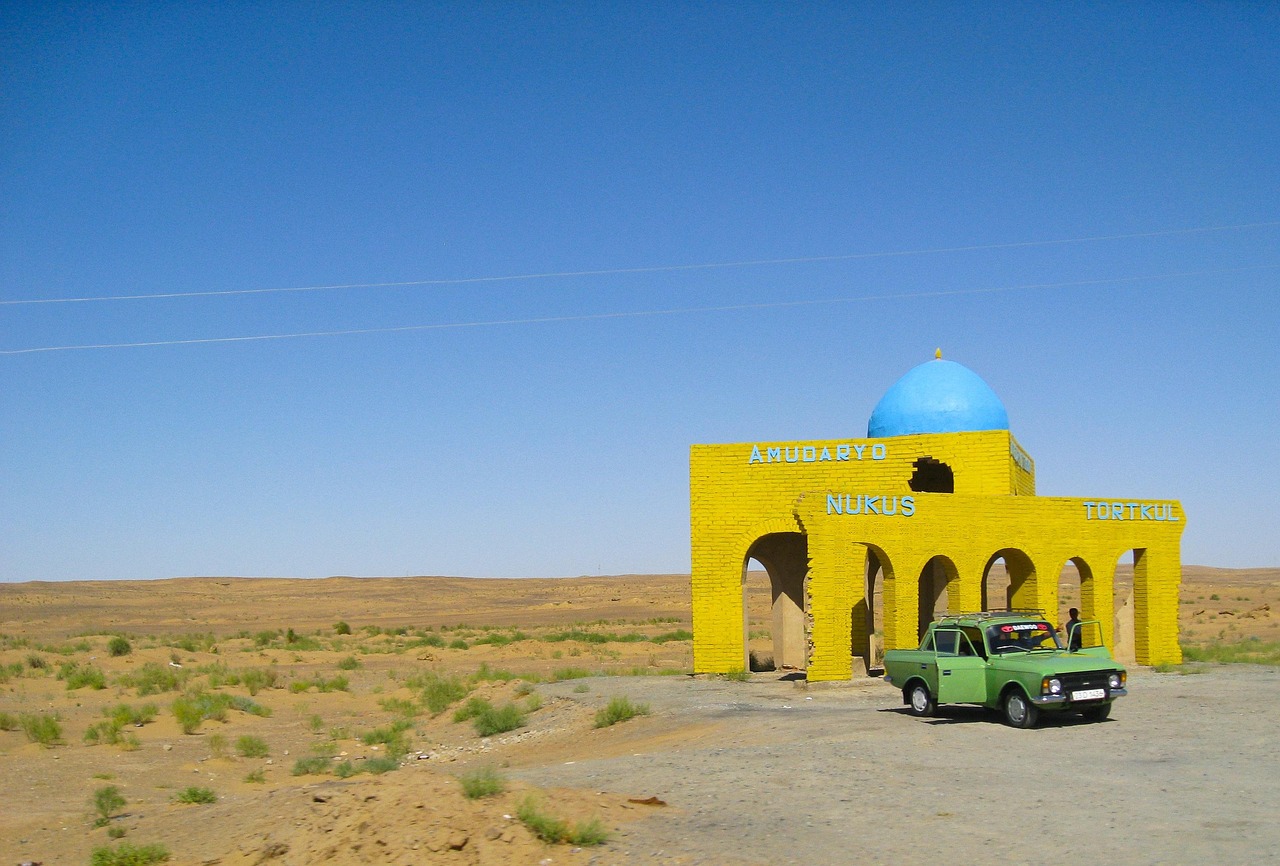
Yurt Night at Aydar Lake and the Kyzylkum Desert
Departure from Samarkand or Bukhara by 4x4 around 9am, arriving at the camp around 2pm after a stop at the Rabati Malik caravanserai. On the programme: a camel ride at sunset, a swim in the salty Aydarkul lake (created accidentally in the 1970s), dinner around the fire and a night in a traditional yurt at a 4-6 person camp. The standout moment: the starry sky with zero light pollution, and the absolute desert silence on waking. Ideal for couples and families with children aged 8 and up; book 3-4 days ahead via your guesthouse in Samarkand.
- 1 à 2 jours dont 4-5h de transfert
- 80 à 150 € par personne tout compris (transport, repas, nuit)

Riding the Afrosiyob High-Speed Train
Boarding at Tashkent or Samarkand station 30 minutes before departure, with passport and luggage check. The Uzbek high-speed train, built by Talgo, runs at 230 km/h (143 mph) across the steppe, with tea and madeleines served on board in business class. Three classes (economy, business, VIP), landscapes of cotton fields, orchards and traditional villages. The standout moment: arriving in Samarkand when you spot the Registan from the station bridge. For all travellers, book without fail <strong>14 days ahead</strong> on the Chipta app, especially on weekends.
- 2h08 Tachkent-Samarcande, 1h20 Samarcande-Boukhara
- 12 € en classe économie, 20-25 € en classe affaires
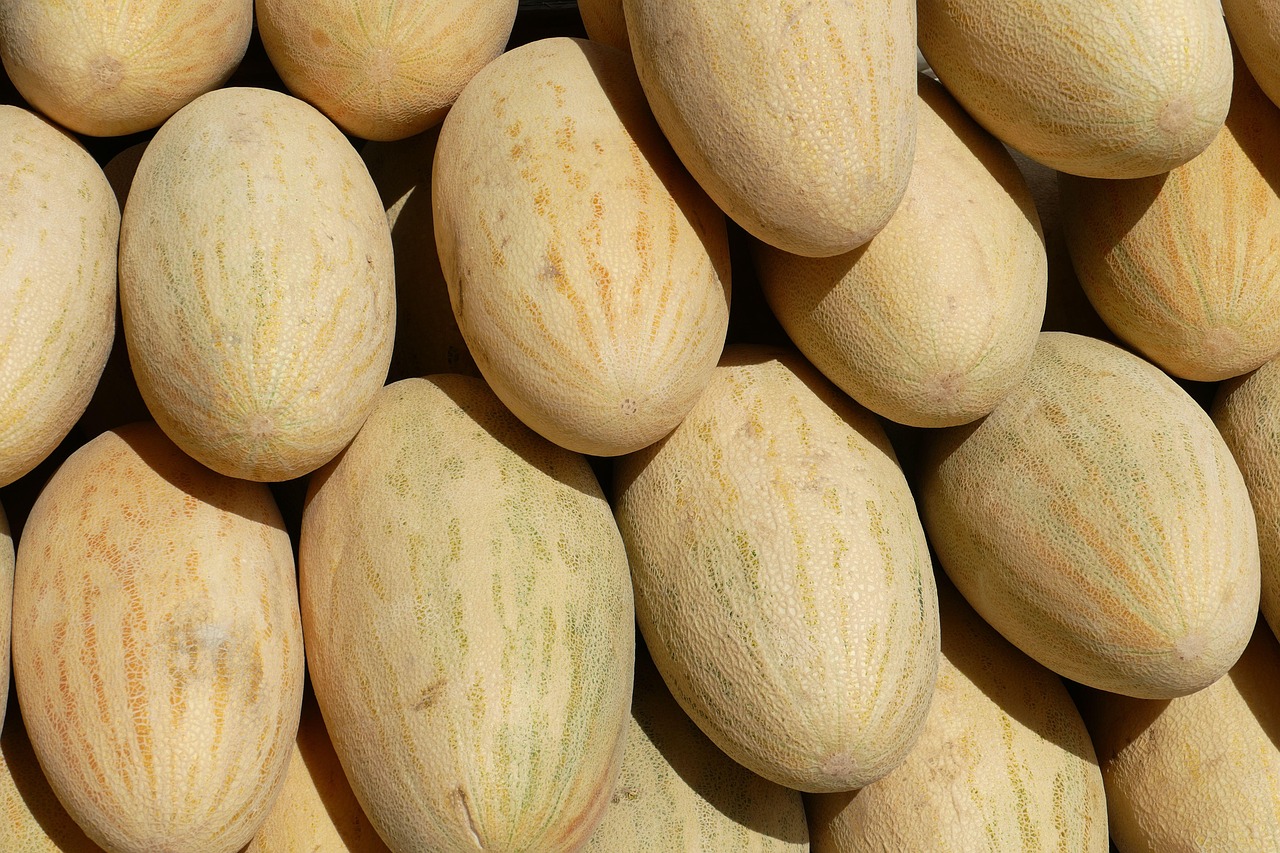
Siab Bazaar in Samarkand
You enter through the eastern gate, a stone's throw from the Bibi-Khanym Mosque, and the smell of melons hits you immediately. The Siab Bazaar is the largest traditional market in Samarkand: Mirzachoʻl melons stacked in pyramids, dried prunes (kuruga), Samarkand round bread (non), spices and nuts from the Silk Road. The standout moment: the free tastings vendors readily offer to foreigners, especially for dried fruit and halva. For everyone, ideal in mid-morning around 10am, before the heat. No booking needed; bring small denomination cash and a list of gifts to take home.
- 1h à 1h30
- Entrée libre, prévoir 5-15 € pour des achats de bouche
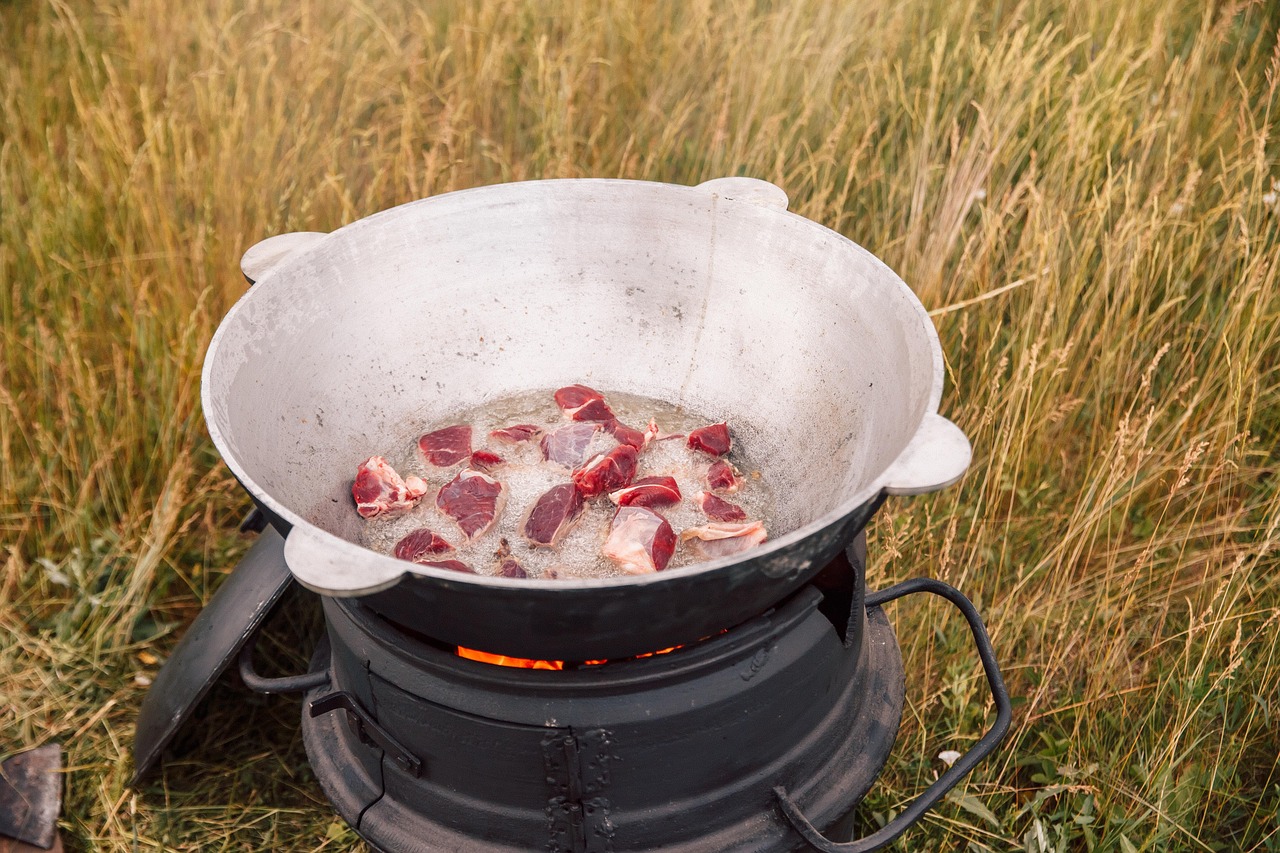
Plov Tasting in Tashkent
Head to the <strong>Central Asian Plov Center (Besh Qozon)</strong>, near the Tashkent TV tower, where you can watch plov being cooked in giant kazans in the open air from dawn. The national dish, rice slow-cooked with lamb, yellow carrots and quince, is eaten before noon with quail egg, horse-meat patties (kazy) and green tea. The standout moment: the ritual cutting of the plov at 11am sharp, when the chef opens the kazan in a cloud of steam. For food lovers; come in mid-morning to watch the cooking before eating. No booking; arrive before noon since plov is served until it runs out.
- 1h à 1h30, cuisson du plov à 11h
- 4 à 8 € le plat avec boissons
Sound and Light Show at the Registan
Every evening from <strong>April to October</strong>, the three Registan madrasas light up to a historical narration covering Tamerlane, the Silk Road and the Timurids. Thirty minutes of projected lighting on the ceramic facades, in Russian, Uzbek and English depending on the slot. The standout moment: the gradual lighting of the domes, going from black to luminous turquoise in seconds. For all travellers, perfect after dinner near the square. No booking, the day's ticket is enough; arrive 15 minutes early to grab a central spot facing the Tilla-Qari panel.
- 30 à 45 minutes, plusieurs créneaux entre 20h et 22h
- Inclus dans le billet du Registan (~50 000 UZS, environ 4 €)
Getting there
Plan on 7-8 hours of direct flight to Tashkent from European hubs with Uzbekistan Airways, from EUR 450 (USD 490) in low season.
The main airport is Tashkent (TAS), 12 km (7.5 miles) from the city centre. Uzbekistan Airways operates direct flights from major European hubs (London Heathrow, Paris CDG, Frankfurt, Istanbul) in around 7 to 8 hours. In peak summer season, expect EUR 600-800 (USD 650-870) return; outside school holidays, fares start from EUR 450 (USD 490).
Several connecting carriers widen the offer:
- Turkish Airlines via Istanbul, several daily flights, often the best prices;
- Flydubai and Qatar Airways via Dubai or Doha;
- Aeroflot via Moscow, best avoided today for practical reasons.
Itinerary tip: it is often cheaper to fly into Tashkent and out of Urgench (UGC), Khiva's airport, or vice versa. This avoids the 1,000 km (620 miles) return drive across the desert. Check the "open-jaw" option on flight comparators.
Getting around
The Afrosiyob high-speed train connects Tashkent, Samarkand and Bukhara in under 4 hours, from EUR 12 (USD 13) in economy class.
The rail network is the backbone of any trip. The Afrosiyob high-speed train runs the Tashkent-Samarkand route (2h08) and Samarkand-Bukhara (1h20) several times a day. Tickets can be booked on the Chipta app or at the station with your passport. 2025 fares: EUR 12 (USD 13) in economy, EUR 20-25 (USD 22-27) in business class.
For Khiva, the Sharq overnight train from Bukhara takes 6 to 7 hours in a sleeper berth, around EUR 15 (USD 16). Otherwise, a private taxi across the desert (6-7 hours, EUR 80-100 / USD 87-110 shared between several passengers).
- Domestic flights with Uzbekistan Airways and Qanot Sharq to Nukus and Termez, from EUR 50 (USD 54);
- Yandex Go in cities (Uber equivalent, cash or card payment);
- Tashkent metro, with stations decorated like a museum, ticket at 1,700 UZS (EUR 0.12 / USD 0.13);
- Marshrutka (shared taxis) between neighbouring cities, cheap but slow.
Book your train tickets two weeks ahead in high season: Afrosiyob trains sell out quickly on weekends.
What to do
Registan Square, the madrasas of Bukhara, Itchan Kala in Khiva and a yurt night in the Kyzylkum form the heart of the Uzbek experience.
Uzbekistan is first lived as an architectural journey, but the human and desert dimensions count just as much. Here are the twelve must-see sites detailed further down in this guide:
- Registan Square in Samarkand, the absolute peak of the trip;
- The Po-i-Kalyan complex and the Kalyan Minaret in Bukhara;
- Itchan Kala, the walled city of Khiva;
- The Shah-i-Zinda necropolis and its cobalt-blue ceramics;
- The Gur-e-Amir Mausoleum, tomb of Tamerlane;
- The Bibi-Khanym Mosque and Siab Bazaar;
- The Ark Fortress in Bukhara;
- The Ismail Samani Mausoleum, a 9th-century gem;
- The Kalta Minor Minaret in Khiva;
- The Ak-Saray Palace in Shahrisabz;
- The Hazrati Imam Complex in Tashkent;
- The Ulugh Beg Observatory.
For experiences, add a yurt night at Aydar Lake, a ride on the Afrosiyob high-speed train and tasting plov in Tashkent. Detailed list further down.
Food
Plov, lamb-and-rice cooked in a kazan, remains the national dish, served alongside samsa, lagman, shashlik and green tea poured at any hour.
Uzbek cuisine sits at the crossroads of Persian, Turkic and nomadic traditions. Dishes revolve around lamb, rice, hand-pulled noodles and the round non bread, baked in a clay tandyr oven. A meal always opens with green tea and an assortment of fresh salads.
- Plov (Uzbek pilaf): the national dish, rice slow-cooked with lamb, yellow carrots and spices in a cast-iron kazan; every city has its own version;
- Lagman: thick noodles in a lamb-and-vegetable broth, an adopted Uyghur dish;
- Manti: large steamed dumplings filled with lamb and onion;
- Samsa: pastries filled with lamb or pumpkin, baked in the tandyr and sold in the street;
- Shashlik: grilled skewers, perfect in the evening with a local Sarbast beer;
- Halva and dried fruit (raisins, apricots, prunes) for dessert.
For the best addresses: the Central Asian Plov Center in Tashkent (open-air cooking from 7am), Old Bukhara in Bukhara, and Karimbek in Samarkand. Plan EUR 5-15 (USD 5-16) for a meal with drinks.
Itineraries
Plan on 10 days for the classic Tashkent-Samarkand-Bukhara-Khiva loop, 14 days with Shahrisabz and the Kyzylkum.
Here are three battle-tested itineraries depending on the time you have.
10 days, the classic Silk Road
- Days 1-2: Tashkent (Hazrati Imam, metro, Chorsu, Amir Timur Square);
- Days 3-5: Samarkand by high-speed train (Registan, Shah-i-Zinda, Gur-e-Amir, Bibi-Khanym, Ulugh Beg);
- Days 6-8: Bukhara by high-speed train (Po-i-Kalyan, Ark, Ismail Samani, Lyab-i-Hauz);
- Days 9-10: Khiva by overnight train, Itchan Kala and return flight from Urgench.
14 days, the grand circuit
- The itinerary above + a day trip to Shahrisabz from Samarkand (1 day);
- Yurt night at Aydar Lake and the Kyzylkum desert (1-2 days);
- Fergana Valley or detour to Nukus depending on taste.
17 days and beyond, deep Uzbekistan
- The grand circuit + Moynaq and the dried-up Aral Sea (3-4 days, fly to Nukus);
- Possible combination with Kyrgyzstan via Osh (visa-free) or Tajikistan via Khujand (e-visa USD 50).
Climate & seasons
When to go : Uzbekistan ?
Monthly averages over the past 5 years (Open-Meteo).
Best months
- mars
- avril
- mai
- septembre
- octobre
- novembre
Avoid
- juin
- juillet
- août
| jan | fév | mar | avr | mai | juin | juil | août | sept | oct | nov | déc | |
|---|---|---|---|---|---|---|---|---|---|---|---|---|
| Our take | ||||||||||||
| Weather | ||||||||||||
| High | 8° | 11° | 17° | 26° | 31° | 37° | 38° | 36° | 31° | 22° | 16° | 10° |
| Rain (mm) | 32 | 35 | 60 | 29 | 22 | 0 | 0 | 0 | 1 | 20 | 25 | 23 |
| City sightseeing | City sightseeing février | City sightseeing mars | City sightseeing avril | City sightseeing octobre | City sightseeing novembre |
When to go
The best months to visit Uzbekistan are April, May, September and October, with mild temperatures and clear skies.
Uzbekistan's climate is dry continental, with sharp swings between winter and summer. The ideal windows are spring (April-May), when orchards bloom and afternoons hover around 22-26°C (72-79°F), and early autumn (September-October), after the melons ripen and before the first frosts.
By contrast, July and August are best avoided whenever possible. The mercury regularly tops 40°C (104°F) in Bukhara and Khiva, and Kyzylkum desert temperatures make midday monument visits punishing. Air conditioning remains scarce outside upmarket hotels.
Winter, from December to February, sees snow falling on Samarkand and the thermometer dropping below zero. A very quiet period, but with short days and some sites partially closed. Ramadan (around 17 February 2026) slows the pace in the provinces without disrupting tourism.
Budget
Plan on EUR 25 (USD 27 / GBP 22) per day as a backpacker, EUR 55 (USD 60 / GBP 47) per day in mid-range comfort and EUR 130 (USD 140 / GBP 112) per day for upscale travel, excluding international flights.
Uzbekistan remains one of the most affordable cultural destinations in Asia. The price gaps between travel styles are clear, but even at the upper end, the country costs about half as much as a comparable trip to Iran or Turkey.
- Budget (~EUR 25 / USD 27 / GBP 22 per day): simple guesthouse room, bazaar meals and street plov, marshrutka travel and economy-class trains;
- Mid-range (~EUR 55 / USD 60 / GBP 47 per day): heritage boutique hotel, two restaurant meals a day, Afrosiyob in business class, a few museum entries;
- Upscale (~EUR 130 / USD 140 / GBP 112 per day): 4 to 5-star hotel, fine dining, private transfers, English-speaking guide for the day (EUR 50-80 / USD 54-87 / GBP 43-69).
Add-on costs: Registan entry around 50,000 UZS (EUR 3.50 / USD 4), combined Itchan Kala ticket 200,000 UZS (EUR 14 / USD 15), yurt night with transfers EUR 80-150 (USD 87-165). Visa and Mastercard are accepted in hotels and restaurants in major cities; keep cash for bazaars, taxis and tips. Withdrawals from international ATMs carry 2-3% fees.
Where to stay
Plan on EUR 20-30 (USD 22-33) per night in a guesthouse, EUR 50-90 (USD 54-98) in a heritage boutique hotel, EUR 150+ (USD 165+) for upscale options in Samarkand or Bukhara.
The most authentic accommodation is the family-run guesthouse (locally called "B&B" or "guesthouse"), often set inside a converted madrasa or restored traditional house. Generous breakfast, shaded inner courtyard, personal welcome: it is the option with the most soul.
A few strategic bases:
- Samarkand: the Bibi-Khanym district or around the Registan to do everything on foot;
- Bukhara: inside the old town, around Lyab-i-Hauz, essential to enjoy the alleys after dark;
- Khiva: sleep without exception inside Itchan Kala, the walled old city, to experience the empty streets at sunrise;
- Tashkent: around Amir Timur Square or Mirobod for the urban buzz.
Booking.com covers around 80% of the supply, otherwise Hostelworld for backpackers. Reserve 2 to 4 weeks ahead from April to June and in September, the best addresses fill up fast.
Safety
Uzbekistan has very low crime levels and most of the country sits at normal vigilance per Western foreign-affairs ministries.
Uzbekistan is one of the safest countries in Central Asia for travellers. Most Western foreign-affairs ministries (UK FCDO, US State Department, French Diplomatie) classify the bulk of the territory as normal vigilance, and solo women travellers report a generally calm experience.
- Petty pickpocketing on Tashkent public transport and in busy bazaars;
- Border zone with Afghanistan (Termez region): strongly advised against by Western authorities;
- Tajik and Kyrgyz borders: risk of anti-personnel mines outside official crossings, do not stray off marked routes;
- Active seismic zone: Tashkent was levelled in 1966, regular tremors but rarely major.
Practical tips: avoid walking at night in outlying areas, use official taxis or Yandex Go after dark, keep a digital copy of your passport and OVIR slip. Cover shoulders and knees at religious sites; a scarf is useful for women at Shah-i-Zinda and the Hazrati Imam complex. Source: France Diplomatie - Uzbekistan.
Formalities
Citizens of the EU, UK, US, Canada, Australia and New Zealand are visa-exempt for tourist stays of up to 30 days; passport must be valid for 6 months.
Good news: citizens of the EU, UK, US, Canada, Australia and New Zealand are visa-exempt for tourist stays under 30 days. No prior application, no fee. Most Western nationalities have qualified since 2018-2019.
To enter the country, your passport must be valid for at least 6 months beyond your return date, with a minimum of two blank pages. For longer stays or multiple entries, an e-visa can be obtained on the official portal e-visa.gov.uz for USD 20 (single entry, 90-day validity, 30-day stay).
Uzbek specificity: OVIR registration is mandatory for any stay over 72 hours. In practice, your hotel handles it automatically and gives you a small paper slip to keep carefully. If you sleep with a host family or in a yurt, ask your next hotel to cover the missing night.
On health: no vaccines are mandatory. Up-to-date DTP, hepatitis A and B and typhoid are recommended, plus rabies for extended rural stays. Take out travel insurance that includes medical repatriation.
Tips
Buy your eSIM before departure, book the Afrosiyob two weeks in advance and sleep inside Itchan Kala in Khiva.
A few concrete tips to nail your trip and avoid the classic mistakes.
- eSIM before you leave: Holafly or Airalo for EUR 5-25 (USD 5-27), you are connected on landing. Otherwise, a local Ucell or Beeline SIM with passport;
- Book the Afrosiyob 14 days ahead via the Chipta app: economy classes go fast on weekends;
- Sleep inside the walls in Khiva: Itchan Kala empties at 5pm when day-tour groups leave; empty alleys, low light on the adobe walls, locals sweeping the stones — the best 30 minutes of the trip;
- Cash reserve: bring EUR 200-300 (USD 220-330) in euros or US dollars, exchangeable everywhere at the official rate;
- Learn three words: rahmat (thank you), salom (hello), qancha? (how much?). Vendors' faces change instantly;
- Accept the green tea offered by shopkeepers, it is a hospitality ritual, not an obligation to buy;
- Skip the Registan core between 11am and 3pm from April to October, harsh light kills the photos and the heat is crushing.
FAQ
No, not for tourist stays under 30 days: since October 2018, citizens of the EU, UK, US, Canada, Australia and New Zealand are visa-exempt; passport must be valid for 6 months.
Do I need a visa to visit Uzbekistan?
No, not for tourist stays under 30 days. Since 2018-2019, holders of an ordinary EU, UK, US, Canadian, Australian or New Zealand passport are visa-exempt. Beyond that limit, an e-visa can be obtained on e-visa.gov.uz for around USD 20. The passport must remain valid for 6 months after your return date, and OVIR registration is mandatory beyond 72 hours (your hotel handles it).
Is Uzbekistan safe for a solo woman traveller?
Yes. The country has very low crime levels and solo women travellers report a calm experience, especially in Tashkent, Samarkand and Bukhara, where streets stay lively in the evening. Avoid late walks in outlying districts, prefer Yandex Go taxis after dark, and cover shoulders and knees at religious sites.
How much time should I plan for a first trip?
Plan on 10 to 14 days for a classic Silk Road circuit: Tashkent (1-2 days), Samarkand (2-3 days), a Shahrisabz day trip, Bukhara (2-3 days), a yurt night in the Kyzylkum, Khiva (2 days). With 17 days, add the Fergana Valley or Moynaq and the dried-up Aral Sea.
Can I pay by credit card in Uzbekistan?
Visa and Mastercard are accepted in mid-range and upscale hotels and at some restaurants in major cities. Outside Tashkent, Samarkand and Bukhara, plan on cash. International ATMs exist in regional capitals, with 2-3% fees. Keep some euros or US dollars: they exchange everywhere at the official rate (around 14,000 UZS for 1 EUR / 12,500 UZS for 1 USD in 2025).
Is alcohol allowed in Uzbekistan?
Yes. Although a Muslim-majority country, Uzbekistan is secular and alcohol (vodka, local Khovrenko wines, Uzbek beers) is sold openly in supermarkets and served in most restaurants. Avoid visible consumption near mosques and during Ramadan, out of respect for those fasting.
How do I access internet and 4G while travelling?
4G covers Tashkent, Samarkand, Bukhara, Khiva and the main road corridors well; 5G is rolling out in Tashkent. The simplest option is to activate an eSIM (Holafly, Airalo, Orange Travel) before departure for EUR 5-25 (USD 5-27) depending on data. Otherwise, local operators Ucell, Beeline and Mobiuz sell prepaid SIMs against your passport.
When is Ramadan and should I avoid it?
Ramadan follows the lunar calendar: it falls around 17 February 2026 and 7 February 2027. Tourist sites stay open and restaurants serve non-fasting visitors without difficulty, but the pace slows in the provinces. It is an interesting period to feel the bazaar atmosphere in the evening at the breaking of the fast. Avoid eating openly in the street.
Can I combine Uzbekistan with Kyrgyzstan or Tajikistan?
Yes. The Dostuk border post (Osh, Kyrgyzstan) from Andijan and Sary-Tash from Bukhara or Samarkand are open to foreigners. Kyrgyzstan is visa-free for EU, UK, US, Canadian, Australian and NZ citizens (60 days). Tajikistan requires an e-visa (USD 50). Western foreign-affairs ministries advise against any approach to the Afghan border (Termez) and warn of mine risk near borders outside official crossings.
Leave a comment
Share your thoughts or travel experience. Your email will not be published.