

Cuzco, nestled in the Peruvian Andes, unveils its millennia-old history through cobblestone streets and Inca walls. Once the capital of the Inca Empire, the city is a treasure trove of architectural wonders, seamlessly blending Spanish influences with indigenous heritage.
Embarking from Cuzco, the journey to the mystical citadel of Machu Picchu promises an epic adventure through the majestic Andean mountains. The imposing fortifications of Sacsayhuamán, perched nearby, offer a breathtaking panorama of the city and its history.
Vibrant markets like San Pedro reveal the lively soul of Cuzco, where local artisans, fresh produce stalls, and traditional textiles create a symphony of colors and flavors. The city, at high altitude, demands a gentle acclimatization but rewards visitors with stunning views of the surrounding mountains.
Fusing Inca traditions with Catholic celebrations, Cuzco comes alive during vibrant festivals, where traditional dances, colorful processions, and elaborate costumes transport visitors to a world of rituals and celebrations.
Local gastronomy entices palates with authentic dishes such as lomo saltado and alpaca delicacies, providing a memorable culinary experience in welcoming restaurants.
Artisan workshops preserve ancestral techniques, offering visitors the opportunity to acquire unique pieces that showcase Cuzco's craftsmanship.
As night falls, Cuzco reveals another facet of its magic, with illuminated streets, lively bars, and an enchanting atmosphere inviting immersion into the local nightlife.
Cuzco, blending a prestigious past with modern life, transports visitors on a sensory journey where history, culture, and nature harmoniously intertwine.
Overview
Perchée à 3 399 mètres dans les Andes péruviennes, Cuzco fut la capitale de l'Empire inca avant de devenir une ville coloniale espagnole. Ce double héritage se lit dans ses rues : des murs incas en pierre parfaitement ajustée servent de fondations à des églises et des demeures coloniales.
Perchée à 3 399 mètres dans les Andes péruviennes, Cuzco fut la capitale de l'Empire inca avant de devenir une ville coloniale espagnole. Ce double héritage se lit dans ses rues : des murs incas en pierre parfaitement ajustée servent de fondations à des églises et des demeures coloniales.
La ville est inscrite au patrimoine mondial de l'UNESCO depuis 1983 pour la qualité exceptionnelle de son tissu urbain. C'est aussi le point de départ incontournable vers le Machu Picchu, la Vallée sacrée et la Montagne Arc-en-ciel.
L'altitude est le premier paramètre à anticiper : prévoyez une acclimatation douce dès l'arrivée avant tout effort soutenu.
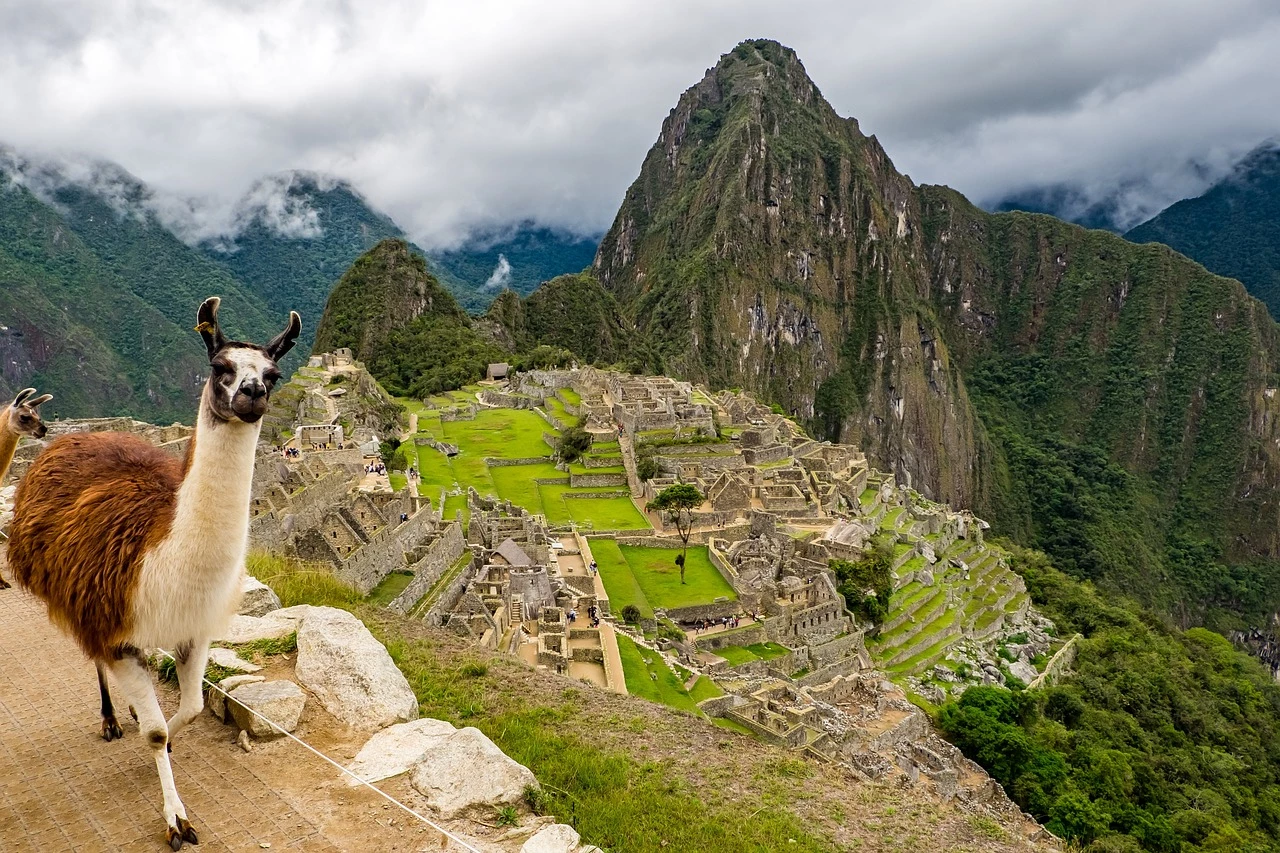
Discover the mythical site of Machu Picchu.
Machu Picchu, one of the architectural wonders of the world, is nestled in the rugged mountains of the Peruvian Andes. Perched at an impressive altitude, this incredible archaeological site offers breathtaking views of lush ridges and deep valleys.
This Incan gem, dating back to the 15th century, reveals itself with its awe-inspiring walls of perfectly fitted stones, showcasing the ingenuity and architectural mastery of its ancient inhabitants. The amphitheater-like agricultural terraces, mystical temples, and enigmatic structures tell a fascinating tale of the Incan civilization.
During your exploration, you will be captivated by the harmony between human architecture and the surrounding nature. The famous Intihuatana, or "hitching post of the sun," stands like a sundial, adding a mystical touch to the ensemble.
Machu Picchu offers an immersive experience, blending history, spirituality, and breathtaking panoramic views. A journey to this iconic site is a trek through time, transporting you into the mystery of the Incan empire while soaking in the natural majesty that surrounds it.
1. Book Tickets in Advance: Tickets for Machu Picchu are limited, so make sure to book them in advance, especially if you plan to do a trek like the Inca Trail.
2. Plan Your Arrival Time: Try to arrive early in the morning to avoid crowds and take advantage of the soft morning light for photos.
3. Hire a Local Guide: A local guide can provide in-depth information about the history and cultural significance of Machu Picchu, enriching your visit.
4. Wear Comfortable Clothing: Wear comfortable clothes and walking shoes, as you'll likely be exploring the site for several hours.
5. Bring Snacks and Water: Pack light snacks and water to stay energized throughout the visit, especially if you plan on doing additional hikes.
6. Respect the Environment: Follow site rules and respect the environment. Do not climb on structures and leave no waste behind.
7. Take Photos, but Be Respectful: Capture your memories, but be respectful to other visitors and the environment. Avoid blocking pathways for photos.
8. Explore Different Areas: In addition to the main areas, explore less crowded spots in Machu Picchu for a more intimate experience.
9. Climb to Machu Picchu's Viewpoint: For a panoramic view, climb to the viewpoint next to the Sun Gate (Intipunku) if it's included in your itinerary.
10. Schedule Rest Time: If you're doing a prior trek, such as the Inca Trail, make sure to schedule time to rest and acclimate to the altitude before exploring Machu Picchu.
11. Enjoy the Moment: Take time to appreciate the site. Sit, meditate, and soak in the unique atmosphere of this magical place.
By following these tips, you'll make the most of your visit to Machu Picchu, fully immersing yourself in the grandeur of this exceptional archaeological site.
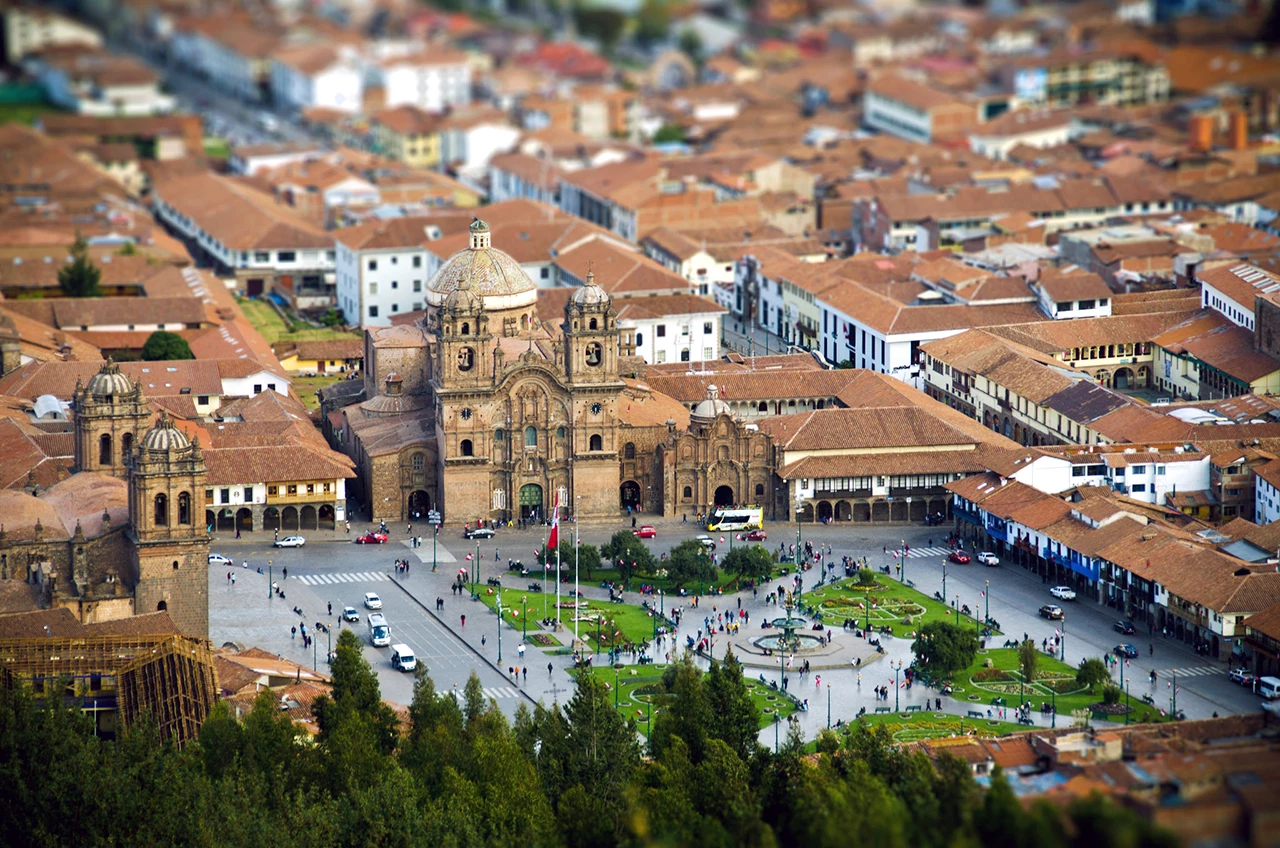
The Place d’Armes
The Plaza de Armas in Cuzco, a historic gem in Peru, offers a captivating experience for travelers. Surrounded by elegant colonial buildings and dominated by the majestic Cuzco Cathedral, it paints a living picture of Incan and Spanish history.
The vibrant atmosphere of the square lends itself to cultural celebrations, hosting festivals and parades where ancient traditions mingle with modern life. The colorful stalls of the surrounding craft markets reveal local artistic skill, inviting visitors to unearth unique souvenirs.
The backdrop of mountains adds a majestic dimension, creating a striking contrast between urbanity and nature. Cafés and restaurants provide an ideal space to relax, savor Peruvian cuisine, and observe the constant flow of people. The Plaza de Armas serves as a muse for artistic souls, inspiring creativity through its architectural details and enchanting ambiance.
Scattered benches and quiet corners encourage contemplation, making this place the gateway to an adventure steeped in Peruvian history and culture.
1. Visit Timing: Opt to visit early in the morning or late afternoon to avoid tourist crowds and benefit from softer light for photography.
2. Explore Side Streets: Wander through the surrounding alleyways. You might discover picturesque corners, local markets, and less crowded artisan shops.
3. Altitude Adaptation: Cuzco is at a high altitude. Take the time to acclimate before engaging in strenuous activities. Drinking plenty of water can also help prevent altitude sickness.
4. Participate in Local Events: Find out about local events or festivals that might be happening on the square during your stay. This could add a unique cultural dimension to your visit.
5. Interact with Locals: Be open to interacting with locals. Peruvians are generally warm and welcoming. A friendly conversation can offer enriching local perspectives.
6. Taste Local Cuisine: Try restaurants and food stalls around the square to savor delicious Peruvian cuisine. Don't miss the opportunity to taste traditional dishes.
7. Visit Nearby Museums: Explore museums near the square, such as the Inka Museum and the Pre-Columbian Art Museum, to deepen your understanding of local history and culture.
8. Listen to Local Narratives: If local guides are available, consider taking guided tours to hear local narratives and gain in-depth insights into the surrounding sites.
9. Strategic Photography: Use sunlight to your advantage for brighter photos. Capture architectural details and local activities to immortalize your visit.
10. Respect the Environment: Be respectful of the environment and historical sites. Avoid leaving litter and follow established rules to preserve the beauty of this iconic place.
By following these tips, you can fully appreciate the unique experience offered by the Plaza de Armas in Cuzco while maximizing your time and fostering a deeper connection to the local culture.
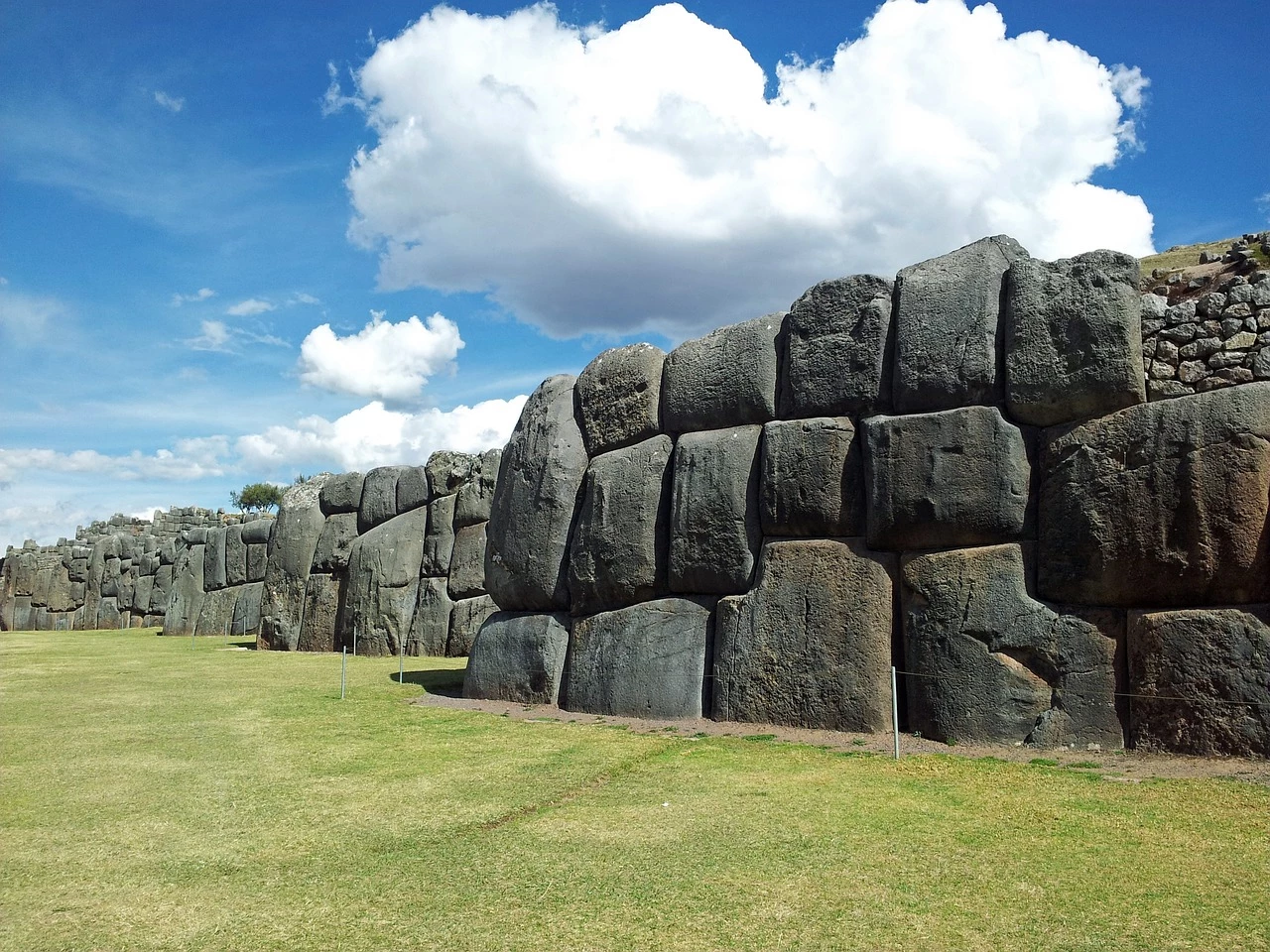
The ruins of Cusco
Cuzco, the former capital of the Inca Empire, is home to impressive ruins that bear witness to the grandeur of this pre-Columbian civilization. Here are some of the most iconic ruins to explore in the Cuzco region:
- Sacsayhuamán: Pronounced "sexy woman," this imposing Inca fortress is famous for its massive, perfectly carved and fitted stone blocks. It also offers a panoramic view of the city of Cuzco.
- Q'enqo: A religious and ceremonial site, Q'enqo features underground passages, sacrificial altars, and fascinating rock carvings. It is a sacred place for the Incas.
- Puka Pukara: Meaning "Red Fort" in Quechua, Puka Pukara is an ancient military fortress that served to monitor the region's main roads.
- Tambomachay: Known as the "Inca Baths," Tambomachay is a site with fountains and canals that were likely used for rituals related to water and fertility.
- Ollantaytambo: Though located a bit further from Cuzco, Ollantaytambo is a major archaeological site with impressive terraces, a temple of the sun, and well-preserved Inca-era streets.
- Moray: Renowned for its circular terraces, Moray was likely an Inca experimental agricultural center where different crops were tested at various altitudes.
- Chinchero: A charming Andean village that houses Inca remnants, impressive stone walls, and a colonial church built on the foundations of an ancient Inca palace.
- Choquequirao: Often referred to as the "second Machu Picchu," Choquequirao is a spectacular archaeological site situated on a mountainous plateau. Access can be challenging, but the reward is worth it.
- Pisac: Known for its impressive agricultural terraces, Pisac also offers a vibrant artisan market where you can purchase local products and crafts.
- Huayna Picchu: Although technically associated with Machu Picchu, Huayna Picchu features ruins and breathtaking views of the Inca citadel.
Each of these ruins provides a unique perspective on the history and culture of the Incas, allowing visitors to step back in time and explore the remnants of this extraordinary civilization.
1. Advance Planning: Familiarize yourself with the sites you want to visit and plan an itinerary based on your preferences. Some sites may require reservations or specific tickets.
2. Local Guides: Hire a local guide to gain in-depth insights into the history, culture, and legends related to the ruins. Local guides add a unique dimension to your visit.
3. Preferred Hours: Visit the sites early in the morning or late in the afternoon to avoid crowds and enjoy softer light for photography.
4. Essential Gear: Bring essential items such as water, sunscreen, comfortable walking shoes, and a camera to capture memorable moments.
5. Appropriate Clothing: Dress according to the weather, which can vary significantly at different altitudes. Wear layers to adapt to temperature changes.
6. Respect Rules: Observe the rules and regulations of the sites. Some ruins may have restrictions, so be aware of signs and respect the environment.
7. Deep Exploration: Take the time to explore less crowded corners of the ruins. Sometimes, less-visited areas offer surprising discoveries.
8. Local Interaction: Interact with local residents when possible. They may share local stories, traditions, or valuable tips.
9. Mobile Apps: Use mobile apps or on-site audio guides to get contextual information during your visit.
10. Respect for History: Respect the ruins by avoiding touching structures or climbing on prohibited elements. Contribute to the preservation of heritage.
11. Break Time: Allow yourself moments of rest to soak in the atmosphere of the ruins. Sit down, meditate, and appreciate the surrounding history.
12. Strategic Photography: Explore different angles for photography. Play with light and shadow to create exceptional images.
13. Listening to Echo: Some sites, like Sacsayhuamán, offer areas with exceptional echoes. Experiment and appreciate the acoustic phenomena.
14. Ceremonies or Events: Inquire about possible ceremonies or special events that might take place during your visit. This could add a unique dimension to your experience.
15. Flexibility in Schedule: Be flexible in your schedule to have the freedom to explore the ruins at your own pace and according to your interests.
By following these tips, you can have a rewarding experience while exploring the fascinating ruins of Cuzco.
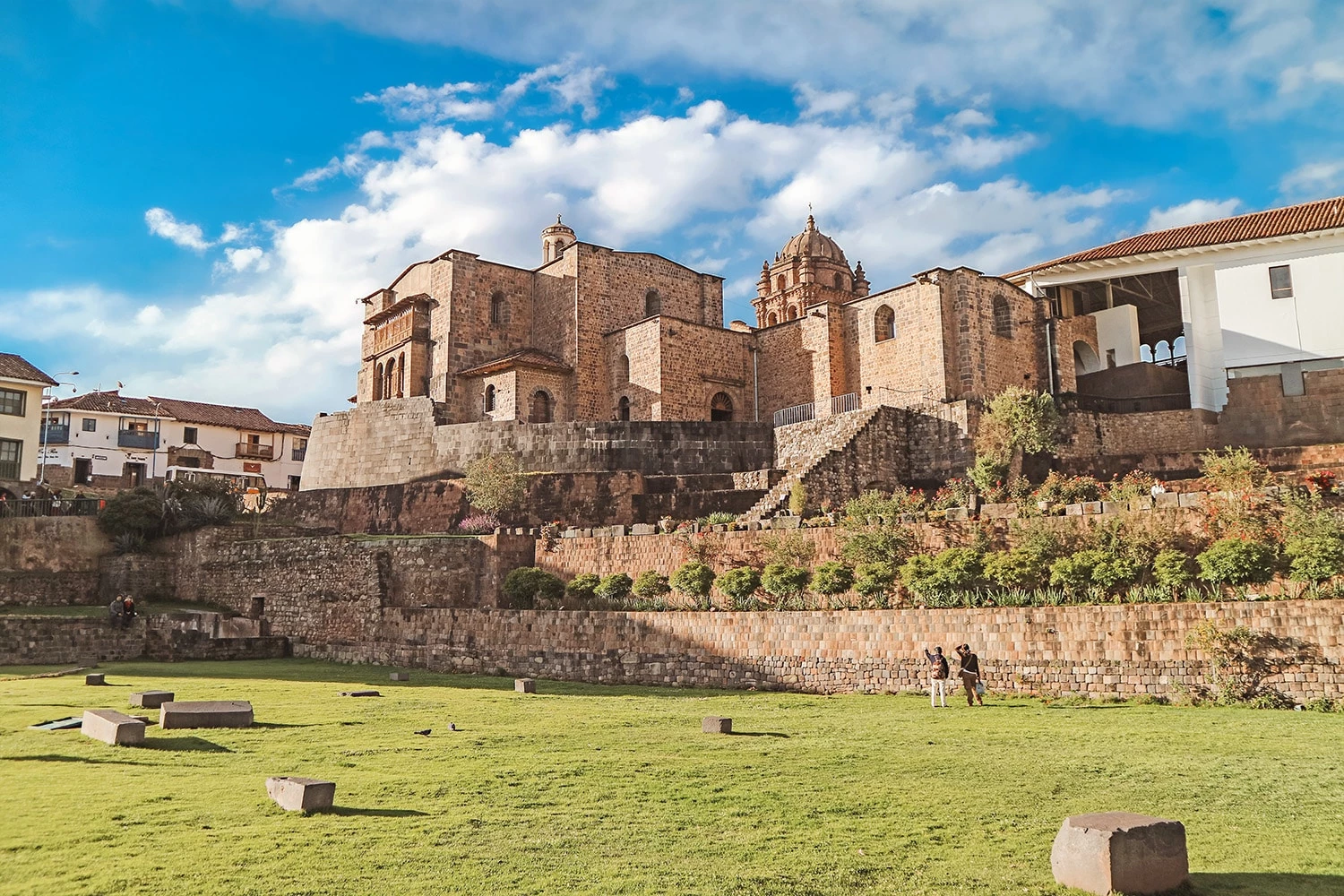
The Temple of Qoricancha
The Temple of Qoricancha in Cuzco offers travelers a captivating experience blending history, spirituality, and exceptional architecture. Formerly dedicated to the sun god Inti, this incredible site combines Incan ingenuity with Spanish colonial influence.
The walls of Qoricancha tell a millennium-old story through meticulously carved Incan symbols, providing a window into the deep spirituality of this civilization. The spiritual atmosphere persists, creating an intimate connection between visitors and ancient history.
Surrounded by peaceful gardens, the temple also offers moments of tranquility, allowing travelers to relax and meditate in this place imbued with serenity. Visitors can envision the solar and ritual celebrations that once animated these grounds.
The adjacent museum enriches the experience by displaying Incan artifacts, ritual objects, and artistic treasures, offering a deeper dive into the daily life of the Incas.
The terraces of Qoricancha reward explorers with panoramic views of Cuzco, creating magical moments at sunrise or sunset. These perspectives provide a visual connection with the surrounding natural splendor.
Intermittent cultural events, such as ceremonies or festivals, add a contemporary touch to this historical experience, immersing visitors in the current life of Qoricancha.
The lingering spiritual aura in this millennia-old temple transcends time, inviting travelers to feel the power of the sacred at the heart of the ancient Incan empire.
1. Early Morning Visit: To avoid crowds, consider visiting the temple early in the morning. This allows for a quieter atmosphere and excellent photo opportunities.
2. Local Guides: Hire a local guide to gain in-depth knowledge about the temple's history, Incan symbols, and rituals. This will significantly enrich your visit.
3. Explore the Gardens: Take the time to explore the gardens surrounding the temple. These spaces offer a peaceful atmosphere and pleasant views of the architecture.
4. Attend a Cultural Event: Inquire about any cultural events or ceremonies taking place at the temple during your visit. This could add a special dimension to your experience.
5. Listen to Local Narratives: Interact with local residents or guides to hear local narratives and legends related to the temple. This provides a unique perspective.
6. Respect Rules: Adhere to the rules and guidelines of the site, including areas where photography might be restricted. This contributes to the preservation of the temple.
7. Take Your Time: Don't rush. Take the time to appreciate the architectural details, carvings, and the spiritual atmosphere of the place.
8. Information from the Museum: Visit the adjacent museum to deepen your understanding of the temple by examining artifacts and exhibits that complement the experience.
9. Observe Sunlight: If possible, visit the temple at different times of the day to observe how sunlight plays on the stones, creating unique nuances.
10. Appreciate the Terraces: Climb to the terraces to enjoy panoramic views of Cuzco. It's an excellent spot to reflect on the history and cultural significance of the site.
By following these tips, you can fully appreciate the magic and cultural significance of the Temple of Qoricancha, creating a rewarding and memorable experience.
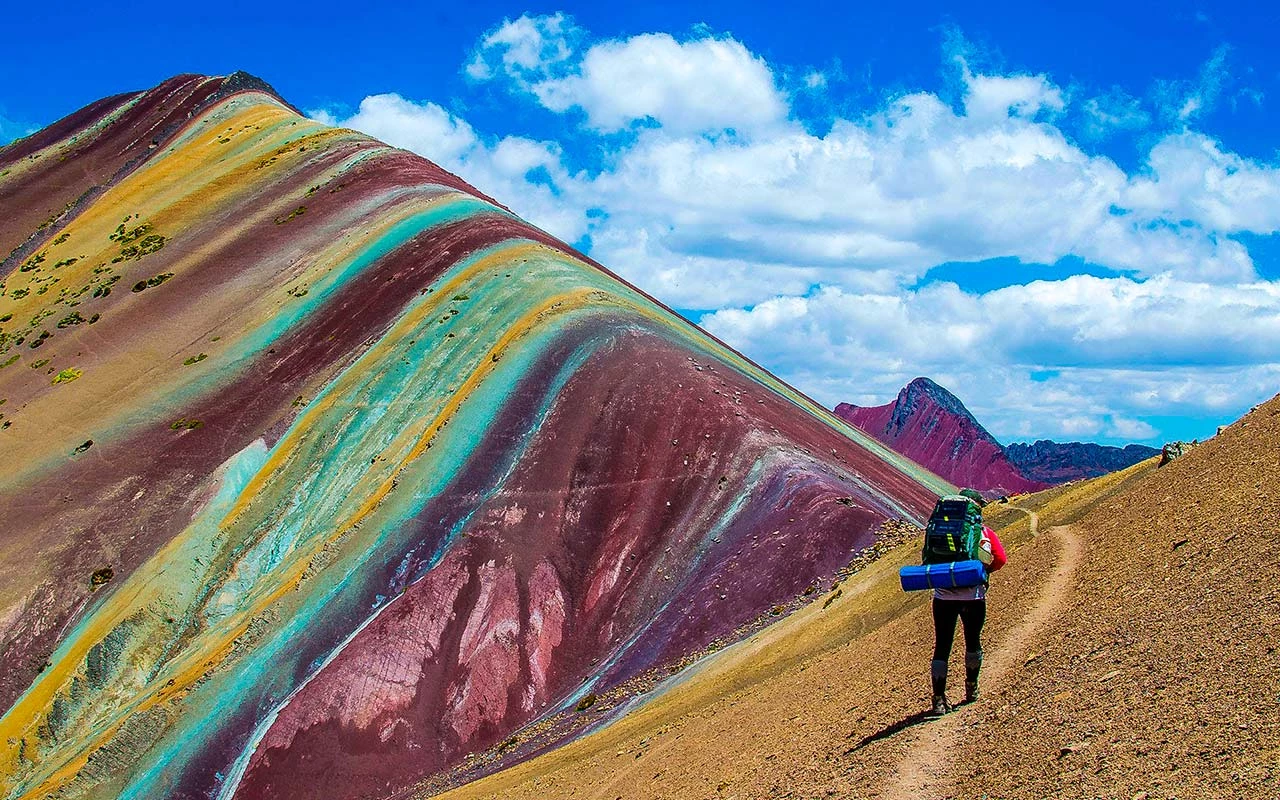
Climb to Rainbow Mountain (Vinicunca)
Rainbow Mountain, also known as Vinicunca, is an extraordinary natural site located in the Cusco region of Peru. Here is some information about this geological wonder:
- Location: Rainbow Mountain is situated in the Andes mountain range, approximately 100 kilometers southeast of the city of Cusco. It is part of the Vilcanota mountain range.
- Altitude: The summit of Rainbow Mountain reaches a documented altitude of about 5,036 meters (16,522 feet) above sea level — prior acclimatization in Cusco is strongly recommended.
- Geological Formation: The unique coloring of the mountain is due to the presence of minerals such as sulfur, copper, and iron. Different layers of these minerals create a multicolored striped effect, hence the name "Rainbow."
- Hiking Trail: The ascent of Rainbow Mountain involves a hike of approximately 6 to 7 kilometers from the starting point, usually from the village of Pitumarca. The duration of the hike depends on individual fitness.
- Panoramic View: Once at the summit, visitors are rewarded with breathtaking panoramic views of the surrounding mountains and the valley below.
- Best Time to Visit: The dry season, from May to October, is generally considered the best time to visit Rainbow Mountain. During this period, the sky is often clear, providing clearer views.
- Weather Conditions: Weather at high altitudes can be unpredictable. It is advisable to prepare for various weather conditions, including cold, wind, and intense sunlight.
Rainbow Mountain offers a unique and unforgettable experience, combining natural beauty with fascinating geology, making it one of the most sought-after destinations in Peru.
1. Altitude Acclimatization: Spend a few days in Cusco or another high-altitude region to acclimatize before attempting the ascent. This can help prevent altitude sickness.
2. Early Start: Begin your hike early in the morning to avoid the often rainy afternoons and to have the chance to witness the sunrise over the mountain.
3. Appropriate Clothing: Dress in layers to adjust to temperature changes. Bring waterproof clothing and warm layers for cooler temperatures.
4. Sun Protection: Due to the high altitude, sun protection is crucial. Apply sunscreen, wear a hat, and sunglasses to protect yourself from UV rays.
5. Hydration and Nutrition: Stay hydrated throughout the hike. Bring energy snacks to maintain your energy levels during the ascent.
6. Hiking Poles: Hiking poles can help stabilize your walk, especially when descending on rocky trails.
7. Camera and Extra Batteries: Capture the beautiful moments, but make sure to have enough batteries as the cold can quickly drain their power.
8. Physical Fitness: Improve your physical fitness before the hike. While the climb is not technically difficult, the altitude can make walking more demanding.
9. Local Guide: Hire a local guide to benefit from their knowledge of the terrain, local weather, and to ensure your safety.
10. Environmental Respect: Follow principles of responsible tourism. Leave no trace, and respect the rules of the site.
11. Be Prepared for Weather Changes: Weather conditions can change rapidly at high altitudes. Be prepared for wind, rain, or even snow.
12. Access Permits: Make sure to obtain necessary permits, especially if you're going with an organized tour.
With proper preparation, good physical fitness, and a respectful attitude toward the environment, you can fully enjoy the unique experience that Rainbow Mountain offers.
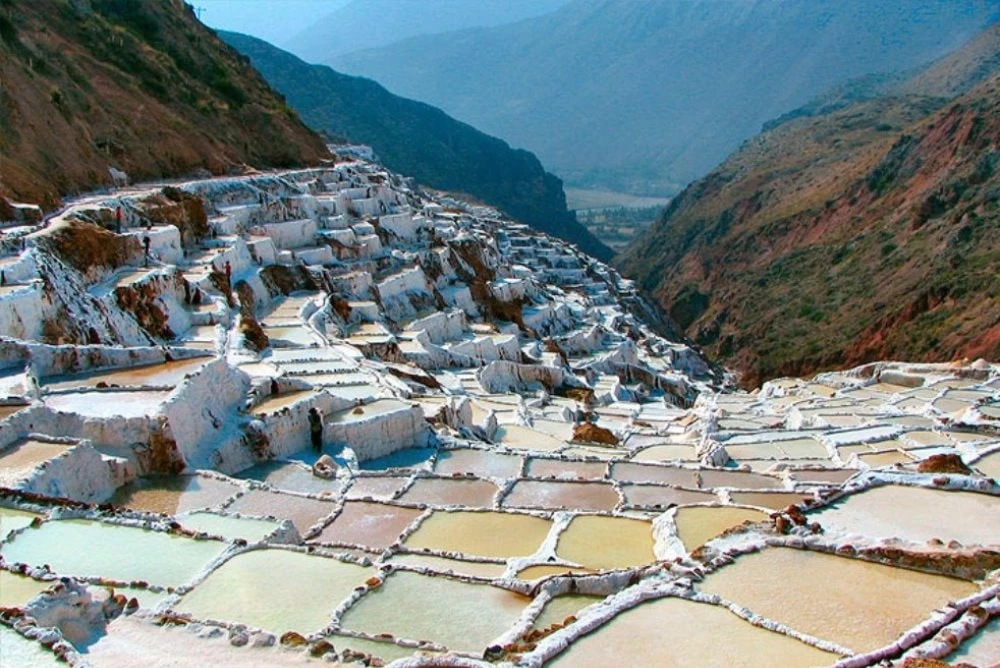
Las Salinas and Moray
Las Salinas de Maras and Moray are two fascinating sites near Cuzco, Peru, offering unique experiences in terms of landscapes and history. Here is a brief description of each of these sites:
- Las Salinas de Maras: - Location: Situated in the Urubamba Valley, the Salinas de Maras are terraced salt pans that have existed since pre-Inca times. - Unique Appearance: These salt pans consist of thousands of terraced pools where salty water emerges naturally from the mountain. The water is channeled into these pools, and as it evaporates, it leaves behind salt that is harvested by local residents. - Traditional Culture: Salt harvesting in Maras is a traditional practice dating back hundreds of years. Local families often oversee the maintenance of specific pools.
- Moray: - Location: Moray is an archaeological site located in the Sacred Valley, near Maras. It is characterized by its impressive concentric circles arranged in terraces. - Agricultural Use: Moray was likely an Inca agricultural laboratory. The different terraces with concentric circles create microclimates, allowing the Incas to experiment with growing different plant varieties at varying altitudes. - Inca Engineering: The terraces of Moray showcase the ingenuity of the Incas in agriculture and irrigation. The site also offers spectacular views of the valley.
By visiting Las Salinas de Maras, you'll be amazed by the unique landscape of terraced salt pans and the continuation of a centuries-old tradition. Moray, on the other hand, will immerse you in the ingenious history of the Incas and provide impressive panoramic views. These two complementary sites offer a unique perspective on Inca engineering and daily life, providing a glimpse into the ancient Inca civilization.
For Las Salinas de Maras:
1. Avoid Peak Hours: Visit early in the morning or late in the afternoon to avoid crowds. This will allow you to enjoy the landscape and salt pans more peacefully.
2. Wear Comfortable Shoes: Wear comfortable and non-slip shoes, as some areas may be wet or slippery.
3. Interact with Locals: Feel free to engage in conversations with the locals working at the salt pans. They may share interesting stories about the salt tradition.
4. Photography: Take advantage of the unique angles provided by the terraces for striking photos. Respect the privacy of the locals and ask for permission if you want to include them in your pictures.
For Moray:
1. Study the History: Before visiting Moray, learn about its history to better understand its agricultural and experimental role during the Inca era.
2. Explore the Terraces: Descend into the heart of the terraces to fully appreciate the grandeur of the site. Each level offers a unique perspective.
3. Time your Visit: Dedicate enough time to explore the different concentric circles and grasp the ingenuity of the Inca design.
4. Sun Protection: Due to the altitude, the sun can be intense. Apply sunscreen, wear a hat, and light clothing to protect yourself from the sun.
5. Local Guide: Hire a local guide to get in-depth information about the history and cultural significance of Moray.
6. Environmental Respect: Adhere to the site rules to protect the terraces and the environment. Avoid walking on the crops.
7. Hiking: If you are interested, inquire about hiking opportunities around Moray to explore the surrounding areas.
By following these tips, you can fully enjoy the unique experience of Las Salinas de Maras and Moray, discovering both the natural beauty and architectural ingenuity of these incredible sites.
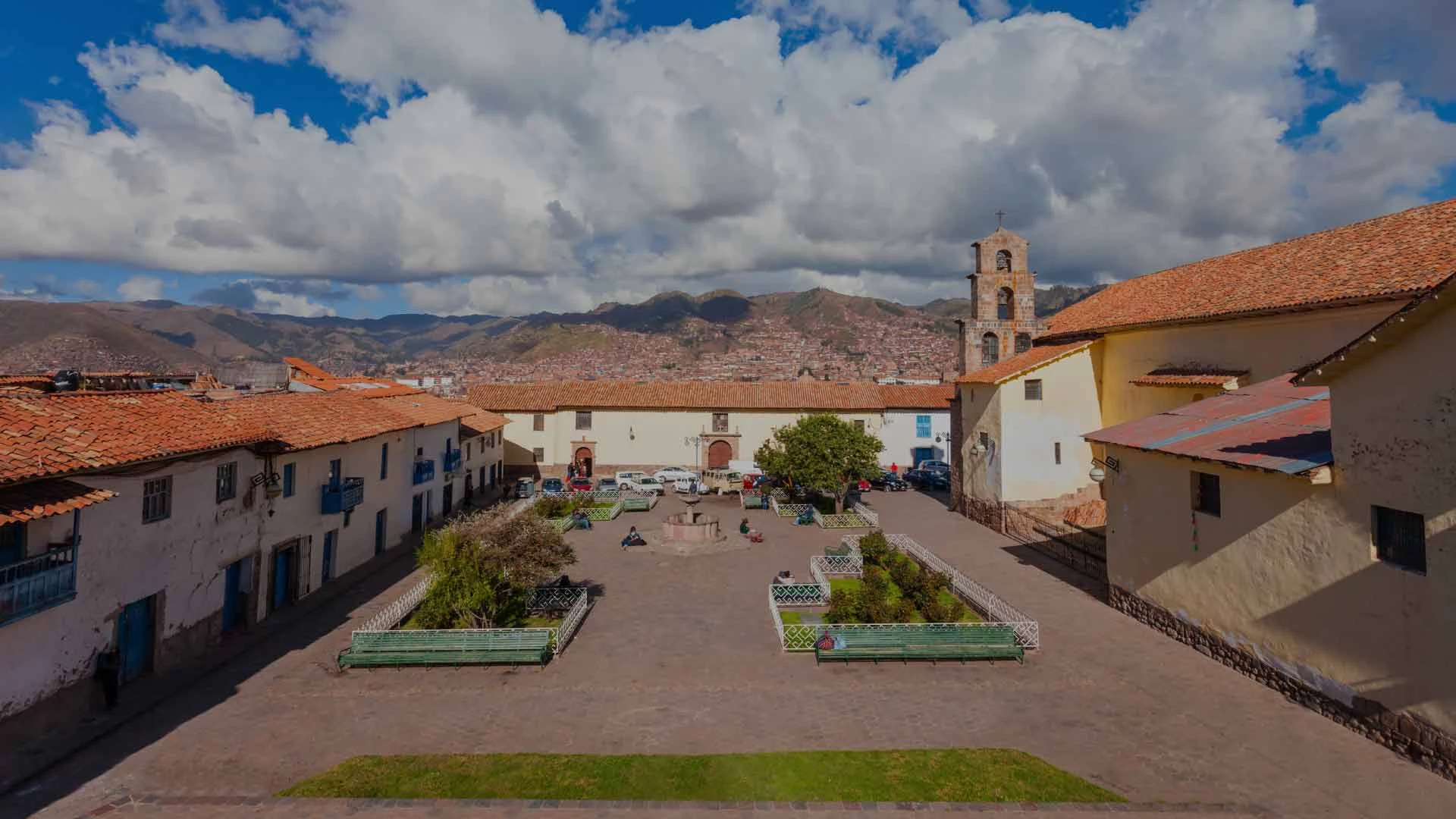
The San Blas district
The neighborhood of San Blas in Cuzco embodies the essence of a cultural and artistic adventure, attracting travelers eager for authentic discoveries. Its cobblestone, winding streets create a charming labyrinth, inviting exploration. The adobe facades of houses, with their colorful doors, reveal the artisanal and traditional character of the neighborhood.
The central square of San Blas vibrates with creative energy, surrounded by small shops, art galleries, and cafes where travelers can mingle with the local artistic community. The Church of San Blas, a Baroque treasure, provides an artistic sanctuary with its impressive architecture and detailed altars.
Panoramic views from the heights of the neighborhood captivate travelers, offering striking vistas of Cuzco's rooftops and the majestic surrounding mountains. Encounters with local artisans in their workshops provide an authentic immersion into traditional craftsmanship, ranging from tapestries to wood sculptures.
San Blas is not limited to visual exploration; it also evokes a gastronomic feast with its quaint restaurants serving local and international cuisine. The relaxed atmosphere invites lingering, savoring, and connecting with the soul of the neighborhood.
The cultural dimension of San Blas is also revealed through artistic events and festivals that color the streets with creativity and celebration. These privileged moments offer travelers an authentic immersion into local life.
In summary, the neighborhood of San Blas is an invitation to an immersive exploration, where every alley, every encounter, and every panorama contribute to a travel experience rich in culture, art, and authenticity.
1. Explore Winding Alleys: Purposefully get lost in the winding streets of the neighborhood. Each corner might reveal hidden treasures, art galleries, or artisan workshops.
2. Gradual Ascent: If you plan to climb to the top of the neighborhood for panoramic views, take your time. The ascent can be steep due to the topography of the area.
3. Meet the Artisans: Visit local artisans' workshops. This is an opportunity to see artists at work, learn about their techniques, and purchase artwork directly from them.
4. Sunset from San Blas: Witnessing the sunset from the heights of San Blas is a magical experience. Choose a good spot to admire the view of Cuzco and the surrounding mountains.
5. Explore San Blas Square: The central square of San Blas is a lively place with cafes, shops, and a pleasant atmosphere. Take the time to sit, have a coffee, and appreciate the local vibe.
6. Visit San Blas Church: Explore the Church of San Blas, also known as the Temple of San Blas. Its baroque architecture and interior artwork are worth discovering.
7. Artistic Discovery: Take advantage of the many art galleries in the neighborhood to discover the work of local artists. San Blas attracts a dynamic artistic community.
8. Lunch in a Local Restaurant: Choose a small local restaurant to taste Peruvian cuisine. Some establishments offer traditional dishes in a cozy atmosphere.
9. Participate in Local Events: If you're fortunate, inquire about any cultural or artistic events happening during your visit. This could enrich your experience.
10. Respect the Environment: Be respectful of the environment and the residents. San Blas is a thriving community, and respectful behavior contributes to maintaining its charm.
By following these tips, you can fully appreciate the artistic, cultural, and picturesque atmosphere of the San Blas neighborhood in Cuzco.
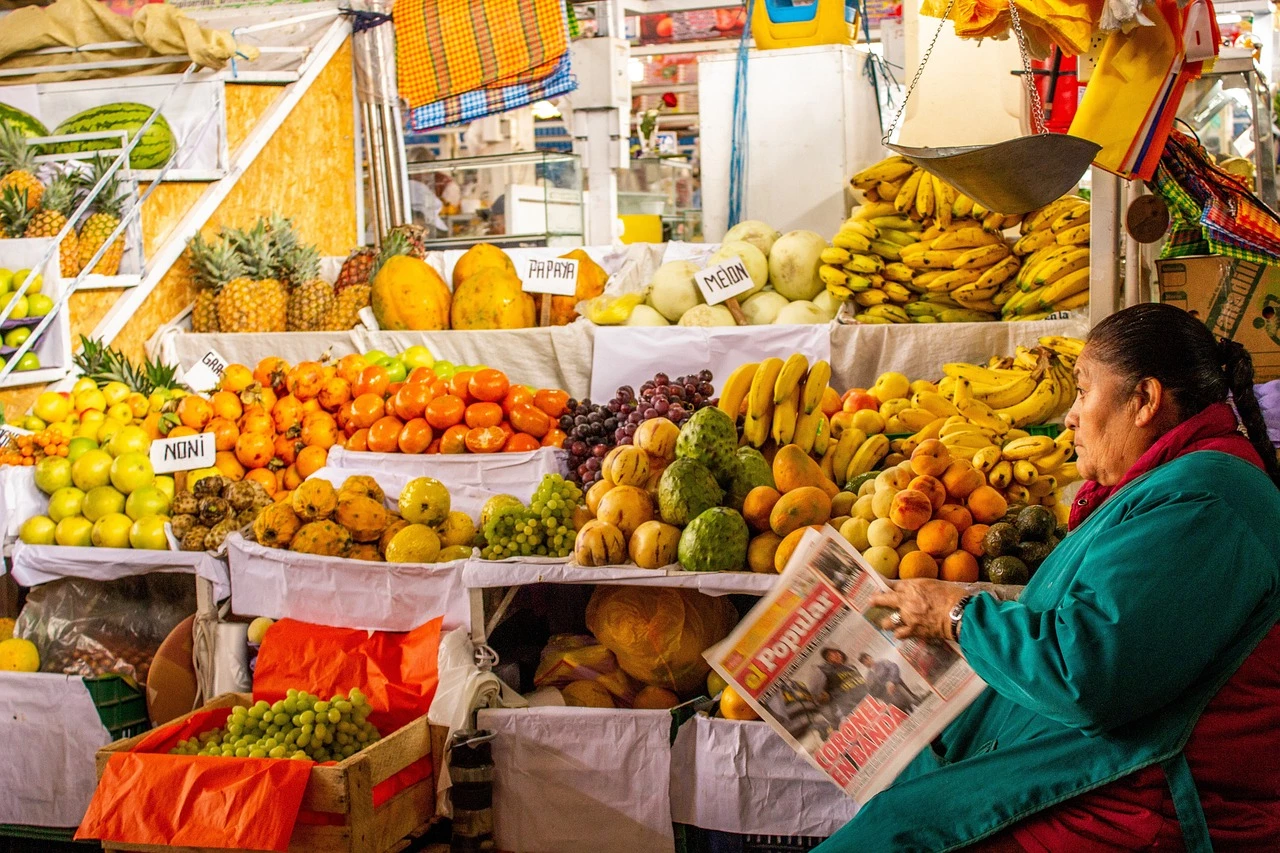
San Pedro Market
The San Pedro Market, nestled in the heart of Cuzco, is a sensory immersion into the daily life and cultural richness of Peru. This lively market offers a captivating palette of colors and flavors, with stalls overflowing with exotic fruits, fragrant spices, and traditional crafts.
The welcoming vendors enthusiastically share their knowledge of local products, creating a hospitable atmosphere for travelers. he flower stalls add a touch of beauty to this bustling scene, reflecting Andean culture and its deep connections with nature. Local product stands provide a glimpse into Peruvian culinary delights, from quinoa to artisanal cheeses.
The market's cafes are perfect relaxation havens to savor Peruvian coffee while observing the hustle and bustle around you.
The market, with its lively atmosphere and dynamic exchanges, is a place of discovery where every corner unveils a part of Cuzco's cultural identity. Exploring its aisles, travelers can immerse themselves in local authenticity, making the San Pedro Market an unforgettable stop for those seeking culinary and cultural adventures.
1. Optimal Hours: Visit the market early in the morning to avoid crowds and appreciate the morning activity. It's also a great time to enjoy fresh local dishes.
2. Full Exploration: Take the time to explore all corners of the market. Unique discoveries, from craft stalls to specialized food vendors, often await those who venture a bit further.
3. Interaction with Vendors: Feel free to strike up conversations with vendors. They are often delighted to share information about their products and local culture.
4. Tasting Local Products: Try fruits, fresh fruit juices, traditional dishes, and snacks offered. It's an excellent way to taste the diversity of Peruvian cuisine.
5. Respectful Negotiation: If you plan to buy souvenirs, be prepared to negotiate respectfully. This is an integral part of the market experience.
6. Permission for Photography: Always ask for permission before taking photos, especially of people. Some vendors may prefer not to be photographed.
7. Morning Exploration: If you're looking for fresh produce, visit the market early in the morning when stalls are stocked with local products.
8. Respect for Customs: Respect local customs. If you participate in tastings or cooking workshops, follow the rules established by the hosts.
9. Discovery of Medicinal Plants: Some stalls offer traditional medicinal herbs. Learn more about the use of these plants in local medicine.
10. Language Barrier: Learn a few basic Spanish expressions. It can facilitate exchanges and add an interactive dimension to your visit.
11. Night Exploration: If the market offers evening activities, consider a nighttime visit to experience a different atmosphere and enjoy nighttime specialties.
12. Local Support: Support local vendors by purchasing authentic products rather than mass-produced items. This contributes to supporting the local economy.
By following these tips, you can fully immerse yourself in the vibrant and authentic atmosphere of the San Pedro Market, turning your visit into a memorable experience in Cuzco.
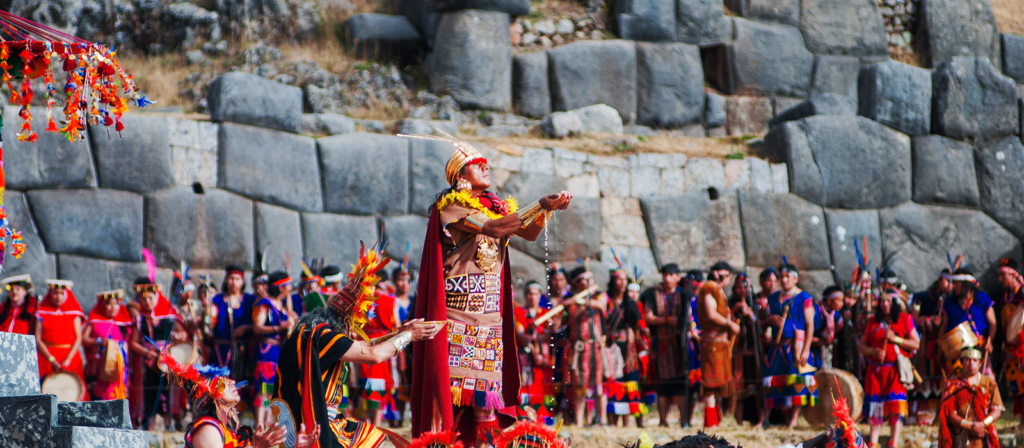
The Sun Festival (Inti Raymi Festival)
The Inti Raymi Festival, celebrated in Peru, offers an immersive travel experience into the heart of the rich history and culture of the Inca civilization. As a travel theme, the Inti Raymi Festival provides a captivating exploration of this millennia-old celebration, blending ancestral traditions with modern festivities. Here are some key elements to incorporate into the travel theme of the Inti Raymi Festival:
- Discovering Historical Roots: Immerse yourself in Peru's ancient history by exploring the historical roots of the Inti Raymi Festival. Visit archaeological sites such as Sacsayhuaman, the main celebration site, to understand the significance of this festival in Inca civilization.
- Participation in the Main Ceremony: Plan your trip to coincide with June 24th, the winter solstice in the Southern Hemisphere, and attend the main ceremony of the Inti Raymi Festival at Sacsayhuaman. Experience the vibrant energy of the procession, traditional dances, and symbolic rituals.
- Meeting the Local Culture: Engage with the local population to learn more about the customs and traditions surrounding the Inti Raymi Festival. Participate in workshops, taste traditional cuisine, and interact with locals for an authentic cultural immersion.
The Inti Raymi Festival offers a unique travel experience, combining the splendor of ancient rituals with the warmth of contemporary Peruvian culture. This adventure allows travelers to delve deeply into the Inca heritage while immersing themselves in the festive energy of the celebration.
1. Plan in Advance: Check the exact dates of the Inti Raymi Festival and plan your trip accordingly. The festivities take place every year on June 24th, so make sure to arrive in Cusco a few days before to acclimate to the altitude.
2. Book Your Tickets: If possible, book tickets to attend the official ceremonies at Sacsayhuaman. Spaces are limited, and it's best to arrange this in advance.
3. Opt for a Local Guide: Hire a local guide who can provide in-depth information about the festival, its history, and cultural significance. This can significantly enrich your experience.
4. Wear Traditional Clothing: If you wish, immerse yourself further in the atmosphere by wearing traditional clothing. Colorful costumes add to the festive ambiance.
5. Arrive Early at the Venue: To secure a good spot and a clear view, arrive early at the ceremony site in Sacsayhuaman. This will allow you to fully experience the energy of the event.
6. Respect Rituals and Traditions: Be respectful of the sacred rituals and traditions observed during the festival. Turn off electronic devices and follow the organizers' instructions.
7. Prepare for Altitude: Cusco is at a high altitude, so give yourself time to acclimate. Stay hydrated and avoid alcohol in the first few days.
8. Be Aware of Weather Conditions: Weather conditions can vary during this time of year. Bring appropriate clothing for daytime heat and nighttime cold.
9. Meet Locals: Take the opportunity to meet locals and engage with them. This can add a valuable human dimension to your experience.
10. Capture the Moment: Don't forget to bring your camera to capture memorable moments of the Inti Raymi Festival. Respect the photography rules of the site, however.
By following these tips, you'll be ready to have an unforgettable experience at the heart of the Inti Raymi Festival, immersing yourself in the cultural and spiritual richness of this ancient celebration.
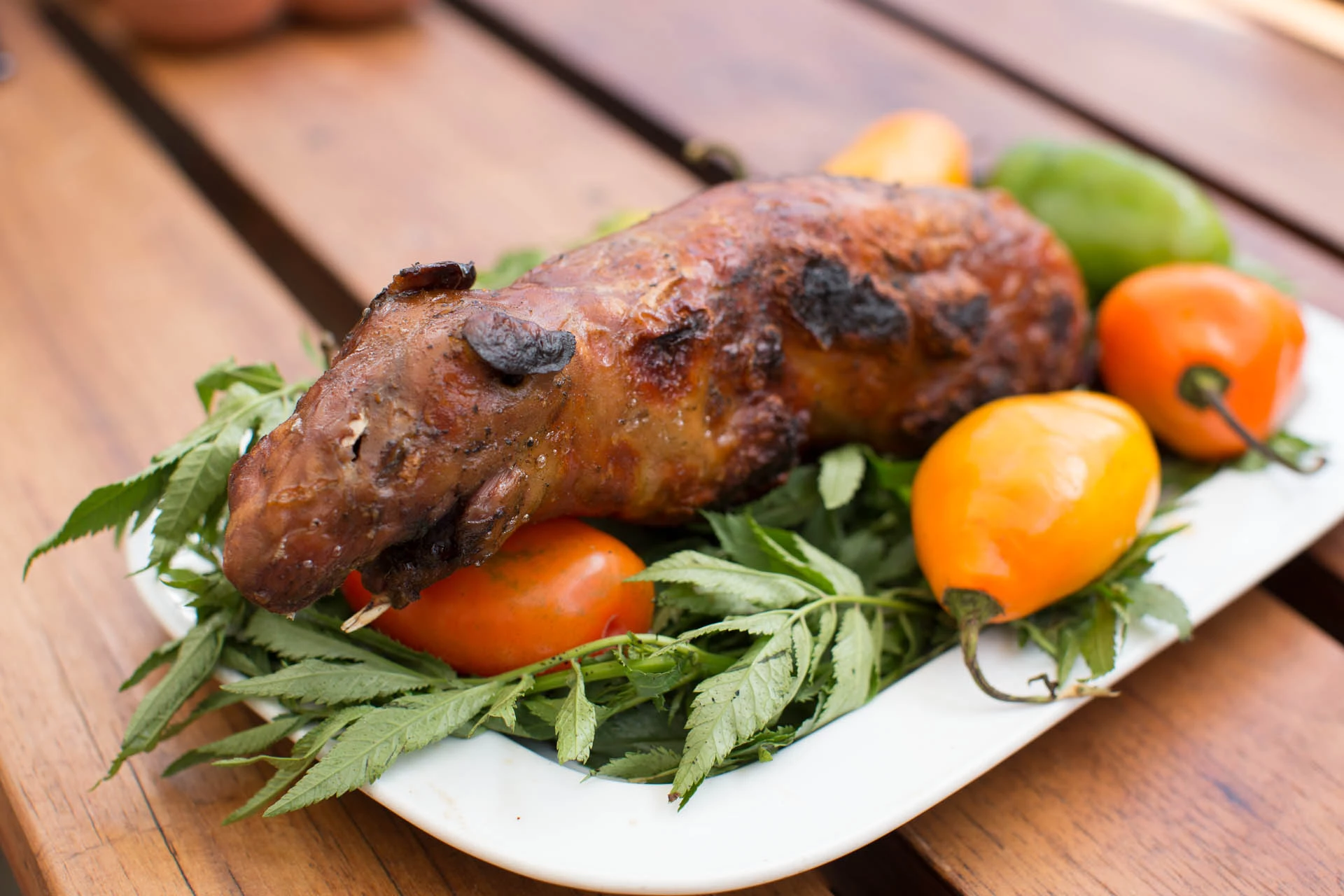
Local cuisine Cusco
The local cuisine of Cuzco, Peru, is renowned for its diversity, rich flavors, and skillful use of traditional ingredients. Here are some iconic dishes to explore during your stay in Cuzco:
- Trout Ceviche (Ceviche de Trucha): Despite Cuzco not being on the coast, freshwater trout is abundant. Trout ceviche is a delicious local version of this classic Peruvian dish, where the fish is marinated in lime juice, red onions, corn, and chili.
- Aji de Gallina: Shredded chicken served in a creamy sauce made with aji peppers (Peruvian yellow peppers), nuts, and cheese. It is often accompanied by rice and potatoes.
- Lomo Saltado: This dish fuses Peruvian and Chinese influences. It consists of sautéed beef strips with vegetables, onions, tomatoes, all seasoned with soy sauce and chili. Served with rice, it offers a burst of flavors.
- Rocoto Relleno: A typical spicy dish from Cuzco, it involves rocoto peppers stuffed with minced meat, eggs, and vegetables, then baked. It is flavorful but quite spicy.
- Papas a la Huancaína: Boiled potatoes served with a creamy and spicy sauce made with cheese, aji peppers, nuts, and milk. It is a popular appetizer to savor.
- Cuy al Horno (Baked Guinea Pig): Guinea pig (cuy) is a traditional meat in Peru. It is often baked and served with potatoes, offering a unique culinary experience.
- Choclo con Queso: A simple yet delicious snack comprising giant corn (choclo) served with fresh cheese. You'll often find it in local markets.
- Humitas: Corn dough parcels stuffed with meat, eggs, or cheese, then steamed in corn husks. A delightful option for a quick meal.
- Queso Helado: A refreshing dessert from Cuzco, queso helado is actually a milk-based ice cream flavored with cinnamon and vanilla. It's a beloved local sweet treat.
- Chicha Morada: A traditional beverage made from purple corn (chicha morada), fruits, and spices. It is refreshing and often consumed with meals.
Exploring the local cuisine of Cuzco provides a rich gastronomic experience, infused with the cultural and culinary diversity of the region.
1. Explore Local Markets: Visit markets like San Pedro Market to discover fresh ingredients, local products, and traditional prepared dishes. It's an excellent way to immerse yourself in the daily life of Cuzco.
2. Opt for Small Local Restaurants: Family-owned restaurants and small local establishments often offer authentic and delicious cuisine. Avoid overly touristy places to experience more authentic flavors.
3. Try Regional Specialties: Sample dishes specific to the Cuzco region, such as cuy (guinea pig), trout ceviche, and rocoto relleno. These iconic dishes showcase the richness of local cuisine.
4. Participate in Cooking Classes: For an even more immersive experience, consider taking local cooking classes. You'll learn to prepare Peruvian dishes under the guidance of local chefs.
5. Pair Your Meals with Local Drinks: Try traditional beverages like chicha morada, a drink made from purple corn, or explore the variety of local herbal teas.
6. Share Meals with Locals: If possible, join community meals or share a meal with locals. This provides a unique opportunity to experience hospitality and savor homemade dishes.
7. Be Adventurous with Street Snacks: Don't overlook small street stalls offering local snacks. Anticuchos (meat skewers) and tamales are popular choices.
8. Seek Local Recommendations: Feel free to ask locals or your accommodation staff for recommendations to discover hidden culinary gems.
9. Learn About Local Ingredients: Familiarize yourself with local ingredients used in Cuzco's cuisine. From various types of corn to Andean herbs, exploring ingredients will enhance your understanding of local gastronomy.
10. Enjoy Local Culinary Events: If your visit coincides with festivals or culinary events, don't miss the chance to participate. It's a unique opportunity to taste a variety of dishes and culinary discoveries.
By following these tips, you'll uncover the diversity and richness of Cuzco's local cuisine, transforming your culinary experience into an unforgettable adventure.
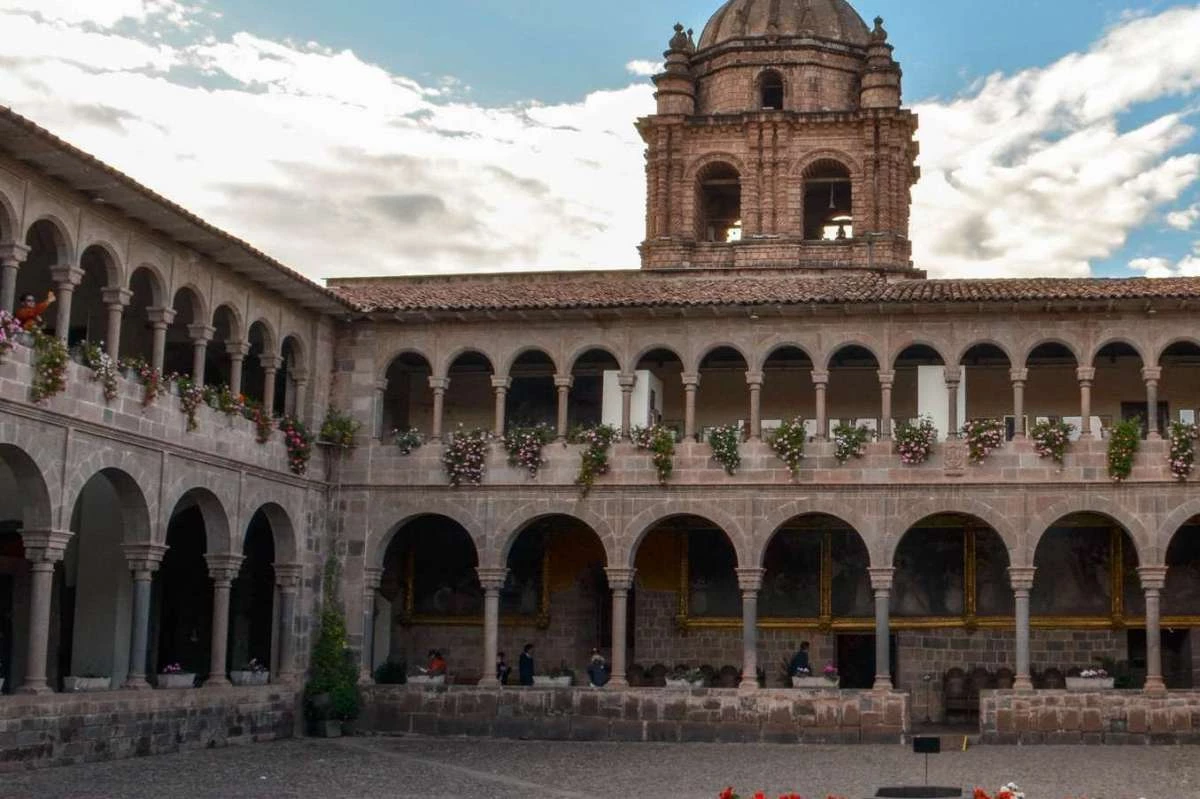
The museums of Cusco
Cuzco, the ancient capital of the Inca Empire, is home to captivating museums that showcase its rich history and cultural diversity. Here are some of the iconic museums in Cuzco:
- Inka Museum: Housing an extensive collection of Inca artifacts, ceramics, textiles, and ritual pieces, this museum provides a deep insight into Inca civilization.
- Pre-Columbian Art Museum: Highlighting pre-Inca and Inca art, this museum exhibits diverse artistic pieces, including pottery, jewelry, and sculptures.
- Regional Historical Museum: Located in the Archbishop's Palace, this museum showcases colonial art, paintings, sculptures, and historical documents related to Cuzco.
- Museum of Casa Concha: Focused on archaeology, this museum displays objects discovered during excavations at Machu Picchu, offering a fascinating context on the daily life of the Incas.
- Museum of Popular Arts: Featuring traditional art and crafts, this museum provides insights into artistic skills passed down through generations.
- Machu Picchu Museum: Situated in Aguas Calientes, this museum exhibits archaeological findings from Machu Picchu, enhancing the understanding of the history of this iconic citadel.
- Contemporary Art Museum: Showcasing works by contemporary Peruvian artists, this museum offers a modern perspective on cultural and artistic identity.
- Regional History Museum of Cuzco: Presenting exhibitions on pre-Columbian, colonial, and republican history of the region, this museum provides a comprehensive view of Cuzco's past.
- Coffee Museum: Explore the history of coffee in Peru, from cultivation to roasting methods, in this museum dedicated to the iconic beverage.
- Inka Garcilaso de la Vega Museum: Located in the birthplace of the Inca historian Garcilaso de la Vega, this museum exhibits objects related to Inca history and culture.
These museums offer a diverse exploration of Cuzco's history, art, archaeology, and culture, allowing visitors to delve into the various facets of this fascinating city.
1. Pre-planning: Identify the museums you want to visit and create an itinerary based on your interests. Some museums focus on art, history, or archaeology.
2. Guides and Guided Tours: Hire a local guide or take advantage of guided tours offered by the museums. Guides can provide in-depth information and interesting anecdotes.
3. Optimal Hours: Visit museums early in the morning or late in the afternoon to avoid crowds. This allows you to fully enjoy the exhibits without feeling rushed.
4. Combined Tickets: Some museums offer combined tickets, providing savings if you plan to visit multiple sites. Inquire about these offers.
5. Respect Rules: Adhere to the rules and guidelines of the museums, including restrictions on photography. This contributes to the preservation of artifacts.
6. Explore at Your Own Pace: Take your time to explore each exhibition. Some museums can be extensive, and a relaxed approach allows you to fully appreciate each piece.
7. Mobile Apps: Check if museums have mobile apps providing additional information, audio guides, or interactive maps.
8. Specific Themes: If you have specific interests, look for museums focused on those themes. For example, some museums focus on contemporary art, while others highlight Inca history.
9. Special Days or Events: Inquire about special days, temporary exhibitions, or special events organized by museums during your stay.
10. Take Notes: If you enjoy history or art, take notes on elements that particularly interest you. This can enhance your understanding and memories.
11. Online Tickets: If possible, purchase your tickets online in advance to avoid queues at the museum entrance.
12. Explore Surroundings: Take advantage of the museums' locations to explore the surroundings. Some are situated in historic districts or offer panoramic views of the city.
By following these tips, you can make the most of your visit to the museums in Cuzco, delving into the rich history and culture that characterize this iconic region.
Getting there
En avion : la voie la plus rapide. L'aéroport international Alejandro Velasco Astete (CUZ) est relié quotidiennement à Lima (environ 1h20 de vol) et à d'autres villes péruviennes comme Arequipa.
En avion : la voie la plus rapide. L'aéroport international Alejandro Velasco Astete (CUZ) est relié quotidiennement à Lima (environ 1h20 de vol) et à d'autres villes péruviennes comme Arequipa. La plupart des voyageurs internationaux transitent par Lima.
En bus : des liaisons longue distance confortables relient Cuzco à Lima (compter une vingtaine d'heures), Arequipa et Puno (au bord du lac Titicaca). C'est plus long mais économique, et certaines compagnies proposent des sièges inclinables de nuit.
Depuis l'aéroport vers le centre : le centre historique est à une quinzaine de minutes en taxi. Convenez du tarif à l'avance ou utilisez une application de réservation.
Quel que soit le mode de transport, l'arrivée se fait directement à 3 399 m : prévoyez du repos le premier jour.
Getting around
À pied : le centre historique, autour de la Plaza de Armas et de San Blas, se découvre idéalement à pied. Les rues pavées et les ruelles en pente font partie du charme — mais l'altitude rend la moindre côte plus exigeante, prenez votre temps.
À pied : le centre historique, autour de la Plaza de Armas et de San Blas, se découvre idéalement à pied. Les rues pavées et les ruelles en pente font partie du charme — mais l'altitude rend la moindre côte plus exigeante, prenez votre temps.
Taxis : abondants et bon marché. Négociez le tarif avant de monter ou demandez l'usage du compteur ; les applications de VTC fonctionnent aussi à Cuzco.
Colectivos et minibus : économiques pour rejoindre la Vallée sacrée (Pisac, Ollantaytambo) ou Chinchero, mais horaires irréguliers et utile de baragouiner quelques mots d'espagnol.
Agences et excursions : pour Vinicunca, Maras-Moray ou le Machu Picchu, les excursions organisées incluent souvent le transport depuis l'hôtel, ce qui simplifie la logistique.
What to do
Dans Cuzco : la Plaza de Armas et sa cathédrale, le temple inca du Qoricancha coiffé du couvent Santo Domingo, la forteresse de Sacsayhuamán dominant la ville, le marché coloré de San Pedro et le quartier artistique de San Blas. Aux alentours : le mythique Machu Picchu, les terrasses circulaires de Moray et les salines de Maras, les sites de la Vallée sacrée (Pisac, Ollantaytambo) et la spectaculaire Montagne Arc-en-ciel (Vinicunca).
Dans Cuzco : la Plaza de Armas et sa cathédrale, le temple inca du Qoricancha coiffé du couvent Santo Domingo, la forteresse de Sacsayhuamán dominant la ville, le marché coloré de San Pedro et le quartier artistique de San Blas.
Aux alentours : le mythique Machu Picchu, les terrasses circulaires de Moray et les salines de Maras, les sites de la Vallée sacrée (Pisac, Ollantaytambo) et la spectaculaire Montagne Arc-en-ciel (Vinicunca).
La plupart de ces sites archéologiques sont couverts par le Boleto Turístico del Cusco, le billet touristique combiné.
Food
La cuisine de Cuzco mêle traditions andines et influences métissées. Quelques incontournables : Lomo saltado : émincé de bœuf sauté aux oignons, tomates et frites, plat phare de la cuisine péruvienne.
La cuisine de Cuzco mêle traditions andines et influences métissées. Quelques incontournables :
- Lomo saltado : émincé de bœuf sauté aux oignons, tomates et frites, plat phare de la cuisine péruvienne.
- Alpaga : viande maigre et savoureuse, servie grillée ou en brochettes.
- Cuy (cochon d'Inde) : spécialité andine traditionnelle, servie lors des grandes occasions.
- Soupes andines et quinoa : réconfortantes et adaptées à l'altitude.
Côté boissons, essayez la chicha morada (maïs violet) et le thé de coca (mate de coca), traditionnellement consommé pour mieux supporter l'altitude. Le marché de San Pedro est l'endroit idéal pour goûter à petits prix.
Itineraries
Pour profiter sereinement de la région tout en gérant l'altitude, étalez les efforts. Itinéraire court (3-4 jours) : jours 1-2 d'acclimatation à Cuzco (Plaza de Armas, Qoricancha, Sacsayhuamán, San Blas), puis Vallée sacrée et Machu Picchu.
Pour profiter sereinement de la région tout en gérant l'altitude, étalez les efforts.
Itinéraire court (3-4 jours) : jours 1-2 d'acclimatation à Cuzco (Plaza de Armas, Qoricancha, Sacsayhuamán, San Blas), puis Vallée sacrée et Machu Picchu.
Itinéraire classique (5-7 jours) : 2 jours à Cuzco, 1 à 2 jours dans la Vallée sacrée (Pisac, Ollantaytambo, Maras-Moray), 1 jour pour le Machu Picchu, et 1 journée pour la Montagne Arc-en-ciel une fois bien acclimaté.
La validité de 10 jours du Boleto Turístico s'accorde bien avec ce rythme.
Where to stay
In Cuzco, there are various neighborhoods and types of accommodations that can cater to different types of travelers. Here are some recommendations on where to stay in Cuzco based on your preferences:
-
Historical Center (Plaza de Armas): This is the heart of Cuzco, surrounded by colonial buildings, churches, and restaurants. Staying here provides easy access to main attractions, local markets, and the lively nightlife. Ideal for those who want to be in the center of the action.
-
San Blas: This bohemian neighborhood is situated slightly uphill from Plaza de Armas. Known for its cobblestone streets, art galleries, and artistic ambiance, it's perfect for those seeking a quieter atmosphere while still being close to the city center.
-
Sacsayhuamán: If you prefer to be close to Inca ruins, Sacsayhuamán is an option. While farther from the city center, it offers panoramic views of Cuzco and easy access to archaeological sites.
-
Santa Ana: This residential neighborhood is quiet and provides a more local experience. It's great for those who prefer a peaceful environment while still having easy access to the city center.
-
San Pedro: Close to the San Pedro market, this neighborhood is ideal for food enthusiasts and those wanting to experience the daily life of locals. It also offers affordable accommodation options.
-
Cusco Suburbio (Suburbs): If you prefer a more peaceful stay outside the city center, suburban neighborhoods often offer tranquil accommodations with easy access to public transportation.
When choosing accommodation, be sure to consider factors such as your budget, location preferences, and the amenities offered by the hotel or hostel. Due to Cuzco's high altitude, it may also be helpful to choose lodging that provides oxygen services in case of need.
Getting around
In Cuzco, there are several means of transportation for getting around the city and its surroundings. Here are some options:
-
Walking: The historic center of Cuzco, including the Plaza de Armas and surrounding neighborhoods, is easily navigable on foot. Walking allows you to immerse yourself in the local atmosphere, explore picturesque alleys, and appreciate colonial architecture.
-
Taxis: Taxis are readily available in Cuzco and can be a convenient option for getting around, especially if you are in neighborhoods farther from the city center. Make sure to negotiate the fare before getting in or ask the driver to use the meter.
-
Public Transportation: Cuzco has a network of minibuses and micros (small buses) that operate within the city and its outskirts. However, schedules can be irregular, and navigating them might be challenging if you don't speak Spanish. Locals can assist you in finding the right bus.
-
Bike Rentals: For a more active exploration, you can rent a bike from some local shops. This can be an excellent option for visiting sites farther from the city center while enjoying the scenery.
-
Travel Agencies: Many travel agencies in Cuzco offer excursions and guided tours to tourist sites such as Machu Picchu, the Sacred Valley, and other nearby destinations. These tours often include transportation to and from your accommodation.
-
Car Rentals: If you prefer greater autonomy, some car rental agencies provide services in Cuzco. However, driving in the city can be chaotic, and it's important to consider the high altitude and road conditions.
-
Horse-Drawn Carriages: For a picturesque experience, you might find horse-drawn carriages offering tours around the historic center. Ensure to agree on the fare in advance.
When moving around Cuzco, be mindful of the high altitude, which can make physical exertion more challenging. Take your time to acclimatize, stay hydrated, and relish the cultural richness of this fascinating city.
When to go
The best time to visit Cuzco, Peru, depends on your preferences for climate and activities. Cuzco is located at a high altitude, and the weather can vary significantly depending on the season. Here's an overview of the seasons in Cuzco:
-
Dry Season (May to September): This is generally considered the best time to visit Cuzco. The months from May to September constitute the dry season, with sunny days and pleasant temperatures during the day. It's also the high tourist season, so you can expect more crowds.
-
Rainy Season (November to March): These months are characterized by more frequent rainfall. While the rain can make the landscapes lush and beautiful, it can also make travel more challenging, especially in mountainous areas. However, temperatures generally remain mild.
-
Shoulder Seasons (April and October): These months are transitional periods between the dry season and the rainy season. Weather conditions can vary, but April is often considered a good compromise with pleasant temperatures and still relatively low precipitation.
In summary, the ideal time to visit Cuzco in terms of climate is typically during the dry season from May to September. However, if you prefer to avoid tourist crowds, the shoulder seasons in April or October could be a good compromise. Make sure to check the specific weather conditions during your planned visit and plan accordingly, especially if you intend to visit nearby archaeological sites like Machu Picchu.
Climate & seasons
When to go : Peru ?
Monthly averages over the past 5 years (Open-Meteo).
Best months
- mai
- juin
Avoid
- janvier
| jan | fév | mar | avr | mai | juin | juil | août | sept | oct | nov | déc | |
|---|---|---|---|---|---|---|---|---|---|---|---|---|
| Our take | ||||||||||||
| Weather | ||||||||||||
| High | 17° | 17° | 16° | 17° | 17° | 18° | 19° | 19° | 19° | 19° | 19° | 18° |
| Rain (mm) | 226 | 185 | 180 | 74 | 35 | 5 | 7 | 20 | 41 | 92 | 169 | 180 |
| Hiking & nature | Hiking & nature avril | Hiking & nature mai | Hiking & nature juin | Hiking & nature juillet | Hiking & nature août | Hiking & nature septembre | Hiking & nature octobre | |||||
| City sightseeing | City sightseeing avril | City sightseeing mai | City sightseeing juin | City sightseeing juillet | City sightseeing août | City sightseeing septembre | City sightseeing octobre |
What to do by season (summer)
-
Hiking & nature
Mild temperatures, stable conditions.
-
City sightseeing
Pedestrian-friendly most of the year.
When to go
Le climat de Cuzco se découpe en deux grandes saisons, et le choix de la période change beaucoup l'expérience. Saison sèche (mai à septembre) : c'est la meilleure période.
Le climat de Cuzco se découpe en deux grandes saisons, et le choix de la période change beaucoup l'expérience.
Saison sèche (mai à septembre) : c'est la meilleure période. Journées ensoleillées, ciel dégagé et sentiers fiables pour rejoindre le Machu Picchu ou Vinicunca. C'est aussi la haute saison touristique, donc la plus fréquentée, et les nuits sont froides, surtout en juin et juillet.
Saison des pluies (novembre à mars) : précipitations fréquentes, paysages verdoyants mais déplacements plus délicats en montagne. Le Chemin de l'Inca ferme traditionnellement en février pour entretien.
Intersaison (avril et octobre) : un bon compromis, avec des températures agréables, des pluies encore limitées et moins de foule.
Pour assister à l'Inti Raymi, la grande fête du Soleil, visez le 24 juin.
Budget
Cuzco est globalement une destination abordable, avec de grandes variations selon les activités. Hébergement et repas : auberges et menus locaux restent économiques ; la street food du marché de San Pedro est imbattable.
Cuzco est globalement une destination abordable, avec de grandes variations selon les activités.
- Hébergement et repas : auberges et menus locaux restent économiques ; la street food du marché de San Pedro est imbattable.
- Boleto Turístico del Cusco : le billet général coûte environ 130 soles pour un adulte étranger et reste valable 10 jours, couvrant Sacsayhuamán, Pisac, Ollantaytambo, Moray et d'autres sites (détail des sites).
- Machu Picchu : c'est le poste le plus lourd — entrée à réserver à l'avance, plus le train aller-retour, souvent plusieurs centaines de soles au total.
- Excursions (Vinicunca, Vallée sacrée) : comptez le transport, le guide et parfois les repas.
Gardez toujours un peu d'espèces en soles : marchés, taxis et petits villages fonctionnent surtout en liquide.
Where to stay
Le choix du quartier dépend de votre rythme et de votre budget. Centre historique (Plaza de Armas) : le cœur de la ville, entouré d'édifices coloniaux, de restaurants et de la vie nocturne.
Le choix du quartier dépend de votre rythme et de votre budget.
- Centre historique (Plaza de Armas) : le cœur de la ville, entouré d'édifices coloniaux, de restaurants et de la vie nocturne. Idéal pour avoir tout à portée de marche.
- San Blas : quartier bohème en hauteur, réputé pour ses ruelles pavées, ses galeries d'art et son atmosphère tranquille, à deux pas du centre.
- Santa Ana et quartiers résidentiels : plus calmes et plus authentiques, souvent moins chers, tout en restant accessibles à pied ou en taxi.
- San Pedro : proche du marché, pratique pour les amateurs de cuisine locale et les budgets serrés.
Vu l'altitude, certains établissements proposent de l'oxygène d'appoint ou du thé de coca à l'arrivée — un plus appréciable la première nuit.
Safety
Le mal de l'altitude (soroche) est le point de vigilance numéro un. À 3 399 m, les symptômes (maux de tête, nausées, fatigue, troubles du sommeil) peuvent apparaître entre 6 et 24 heures après l'arrivée.
Le mal de l'altitude (soroche) est le point de vigilance numéro un. À 3 399 m, les symptômes (maux de tête, nausées, fatigue, troubles du sommeil) peuvent apparaître entre 6 et 24 heures après l'arrivée. Le CDC recommande une montée progressive, 1 à 2 jours d'acclimatation, une bonne hydratation et d'éviter l'alcool et les repas lourds les premiers jours. L'acétazolamide (Diamox) peut être pris en prévention sur avis médical.
Sécurité : Cuzco est une ville globalement sûre pour les touristes. Les principaux risques sont les petits vols et les arnaques dans les zones très fréquentées (Plaza de Armas, marchés, gares). Gardez vos effets près de vous et privilégiez les taxis réservés via application le soir.
Consultez les conseils aux voyageurs avant le départ.
Formalities
Pour un séjour touristique, les ressortissants français n'ont pas besoin de visa : l'entrée est autorisée pour une durée de moins de 90 jours (dans la limite de 90 jours sur une période de 183 jours), selon le ministère français des Affaires étrangères. Votre passeport doit être valable au moins 6 mois après la date d'entrée.
Pour un séjour touristique, les ressortissants français n'ont pas besoin de visa : l'entrée est autorisée pour une durée de moins de 90 jours (dans la limite de 90 jours sur une période de 183 jours), selon le ministère français des Affaires étrangères.
Votre passeport doit être valable au moins 6 mois après la date d'entrée. Pour un séjour de plus de 90 jours, un visa délivré par le consulat du Pérou est nécessaire.
Conservez une preuve de billet retour et vérifiez les recommandations sanitaires à jour avant le départ.
Tips
Quelques réflexes facilitent grandement le séjour : Acclimatation d'abord : gardez les activités intenses (Vinicunca, treks) pour le 3e ou 4e jour. Réservez le Machu Picchu à l'avance : aucune vente sur place, et les créneaux partent vite en haute saison.
Quelques réflexes facilitent grandement le séjour :
- Acclimatation d'abord : gardez les activités intenses (Vinicunca, treks) pour le 3e ou 4e jour.
- Réservez le Machu Picchu à l'avance : aucune vente sur place, et les créneaux partent vite en haute saison.
- Habillez-vous en couches : les journées peuvent être chaudes au soleil et les nuits glaciales, surtout en juin-juillet.
- Espèces en soles : indispensables pour les marchés, taxis et petits villages.
- Thé de coca : largement proposé dans les hôtels pour aider à supporter l'altitude.
FAQ
Le mal de l'altitude (soroche) est-il un risque à Cuzco ? Oui.
Le mal de l'altitude (soroche) est-il un risque à Cuzco ?
Oui. Cuzco culmine à 3 399 m, et le mal aigu des montagnes peut apparaître entre 6 et 24 heures après l'arrivée. Montez progressivement, accordez-vous 1 à 2 jours d'acclimatation, hydratez-vous bien et évitez alcool et repas lourds ; l'acétazolamide peut être pris en prévention sur avis médical.
Quelle est la meilleure période pour visiter Cuzco ?
La saison sèche, de mai à septembre, offre des journées ensoleillées et les meilleures conditions pour les sentiers et le Machu Picchu. Les nuits sont froides et la fréquentation élevée ; avril et octobre sont un bon compromis.
Comment se rendre au Machu Picchu depuis Cuzco ?
On rejoint Ollantaytambo dans la Vallée sacrée, puis le train jusqu'à Aguas Calientes, d'où des navettes montent au site. L'entrée se réserve à l'avance sur la plateforme officielle machupicchu.gob.pe, avec un circuit et un créneau horaire définis.
Faut-il un visa pour le Pérou quand on est français ?
Non. Les Français n'ont pas besoin de visa pour un séjour touristique de moins de 90 jours. Le passeport doit être valable au moins 6 mois à l'arrivée ; au-delà de 90 jours, un visa est requis.
Qu'est-ce que le Boleto Turístico del Cusco ?
C'est le billet touristique officiel qui donne accès à plusieurs sites archéologiques et musées de Cuzco et de la Vallée sacrée (Sacsayhuamán, Pisac, Ollantaytambo, Moray...). Le billet général coûte environ 130 soles pour un adulte étranger et reste valable 10 jours.
Combien de jours prévoir pour Cuzco et ses environs ?
Comptez idéalement 5 à 7 jours pour combiner la ville, la Vallée sacrée et le Machu Picchu, en gardant 2 à 3 jours d'acclimatation avant les efforts en altitude.
Quelle est l'altitude réelle de la Montagne Arc-en-ciel (Vinicunca) ?
L'altitude documentée du sommet est de 5 036 m. Le chiffre de 5 200 m, souvent repris par les agences, est approximatif. À cette altitude, une bonne acclimatation préalable à Cuzco est indispensable.
Leave a comment
Share your thoughts or travel experience. Your email will not be published.