Accueil
Destinations
Europe
Asie
Afrique
Amérique Du Nord
Amérique Du Sud
Océanie
Style de voyage
Aventure
Culturel
Nature et Écotourisme
Plage et Détente
Voyage Urbain
Voyage en Solo
Qui sommes nous ?
🇫🇷
🇬🇧
Explorez le monde avec nous
Les Destinations populaires
Touts
Europe
Asie
Afrique
Amérique Du Nord
Amérique Du Sud
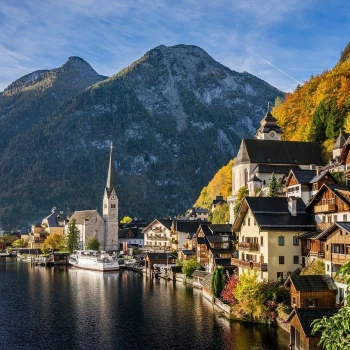
Hallstatt
Autriche
Cappadoce
Turquie
Marrakech
Maroc
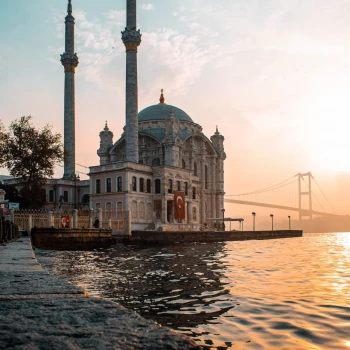
Istanbul
Turquie
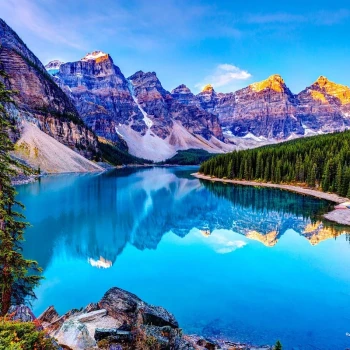
Les plus beaux lacs de Canada
Canada
Cuzco
Pérou
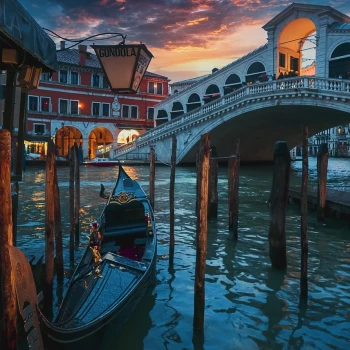
Venise
Italie
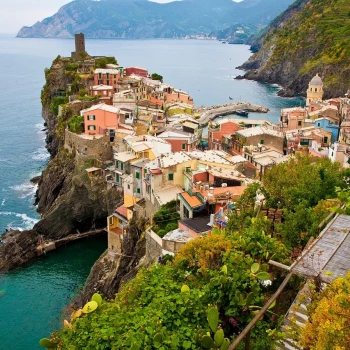
les Cinque Terre
Italie
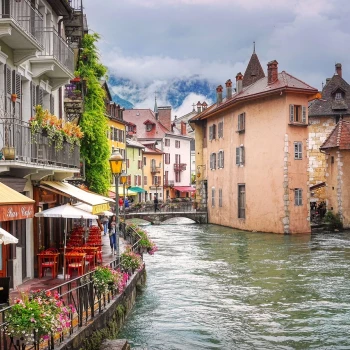
Annecy
France
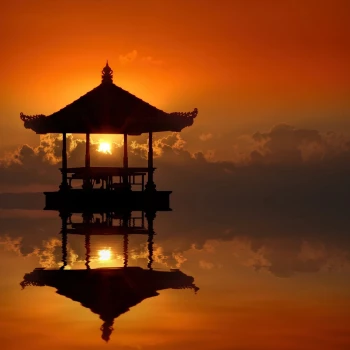
Bali
Indonésie
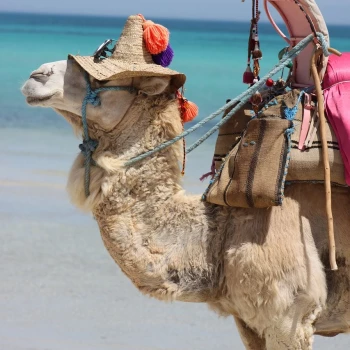
Djerba
Tunisie
Paris
France
Expériences à vivre au moins une fois dans sa vie.
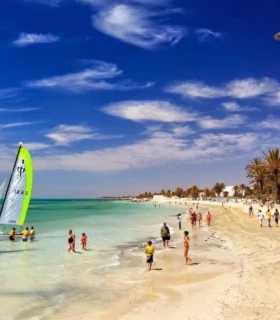
Djerba - Les plages de Djerba
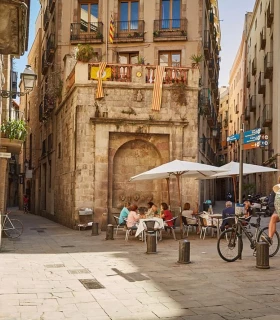
Barcelone - Explorer le quartier gothique
Djerba - Musée de Guellala
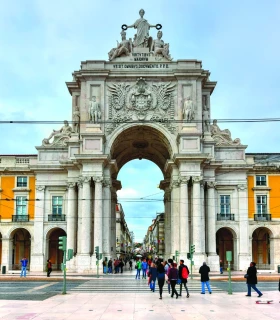
Lisbonne - Admirez la grandeur de La Place du Commerce (Terreiro do Paço)
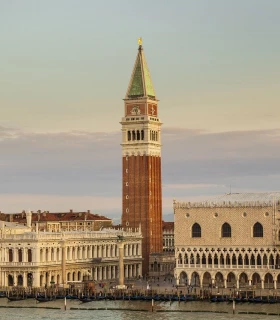
Venise - Le Palais des Doges
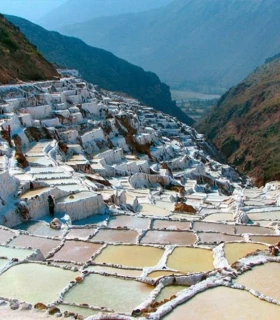
Cuzco - Las Salinas et Moray
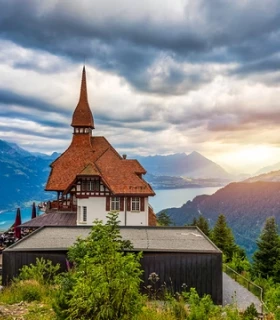
Interlaken - Le Harder Kulm
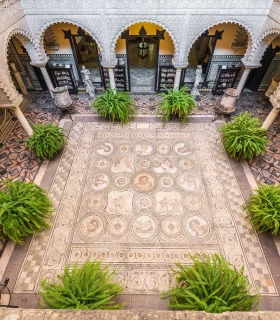
Séville - Le Palais de Lebrija
Lisbonne - Assister à un Spectacle de Fado
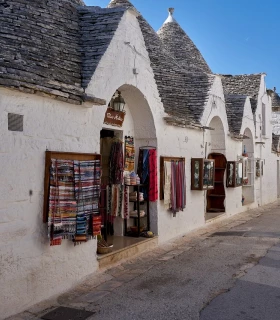
Les Pouilles - Alberobello
Tags
Paris
Rome
Djerba
France
Ubud
Venise
Cuzco
Italie
Canada
Bali
lacs de canada
Nos guides les plus récents.
Découvrez les 10 incontournables à ne pas manquer à Colmar
Les 19 incontournables à faire à Vienne
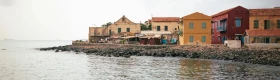
Les 13 choses incontournables à faire à Dakar
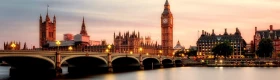
Les 18 choses incontournables à faire à Londres
Article à la une
Ubud : Un Voyage Enchanté au Cœur de Bali
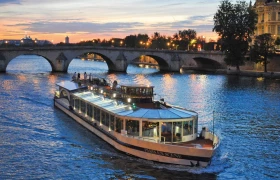
Un Itinéraire Immersif pour Découvrir Paris en Trois Jours
La Mosaïque Gourmande de Paris : Une Aventure Culinaire Inoubliable
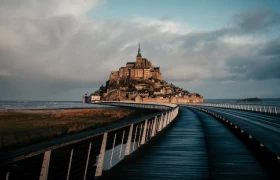
Mont Saint-Michel : Un Guide Complet pour une Aventure Historique et Naturelle Inoubliable